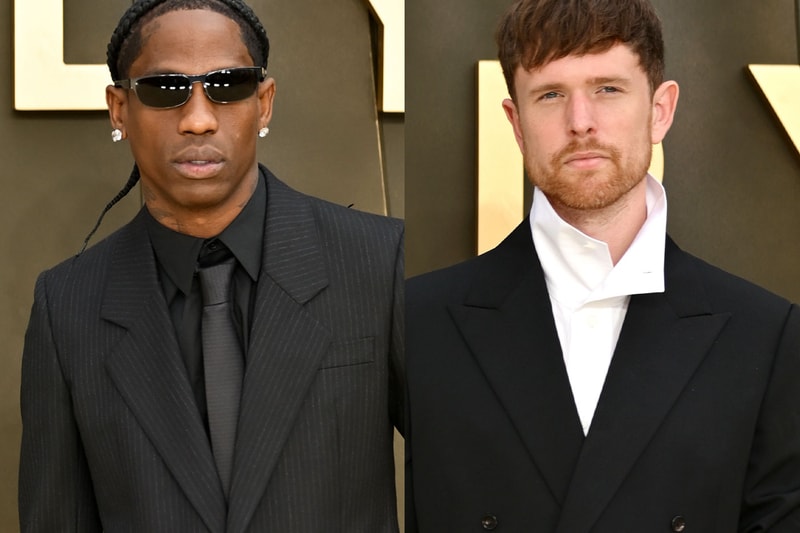
Christopher Nolan tapped Travis Scott and James Blake to create an original song for his forthcoming film adaptation of "The Odyssey." The collaboration reunites Nolan and Scott following their work together on the 2020 thriller "Tenet," where Scott contributed to the soundtrack.
Scott expands his involvement beyond music for this project. He takes on an acting role in the star-studded cast, portraying a traditional bard in Nolan's reimagining of Homer's epic tale. This marks another crossover moment for the Houston rapper, who has increasingly ventured into film work alongside his music career.
James Blake brings his experimental production sensibilities to the partnership. The British producer and musician has established himself as a go-to collaborator for high-profile film projects, blending electronic and organic textures that complement both narrative cinema and visual storytelling.
Nolan's "The Odyssey" represents one of the director's most ambitious undertakings yet, adapting one of Western literature's most enduring works. The film carries significant weight in Nolan's filmography, following his success with "Oppenheimer." His approach to sourcing music from contemporary artists rather than traditional film composers reflects how prestige cinema increasingly intersects with popular music culture.
The Scott and Blake collaboration demonstrates Hollywood's continued investment in cross-genre partnerships. Major filmmakers now routinely engage hip-hop and electronic artists to shape their sonic landscapes, elevating both the music and the film's cultural reach. This strategy extends beyond the soundtrack itself, bringing recording artists into the creative fabric of the production.
Scott's dual role as musician and actor within the same project showcases his expanding influence in entertainment. His previous film appearances, combined with his production company's involvement in various media projects, position him as a multimedia figure rather than a single-medium artist. The bard role carries poetic resonance given Homer's