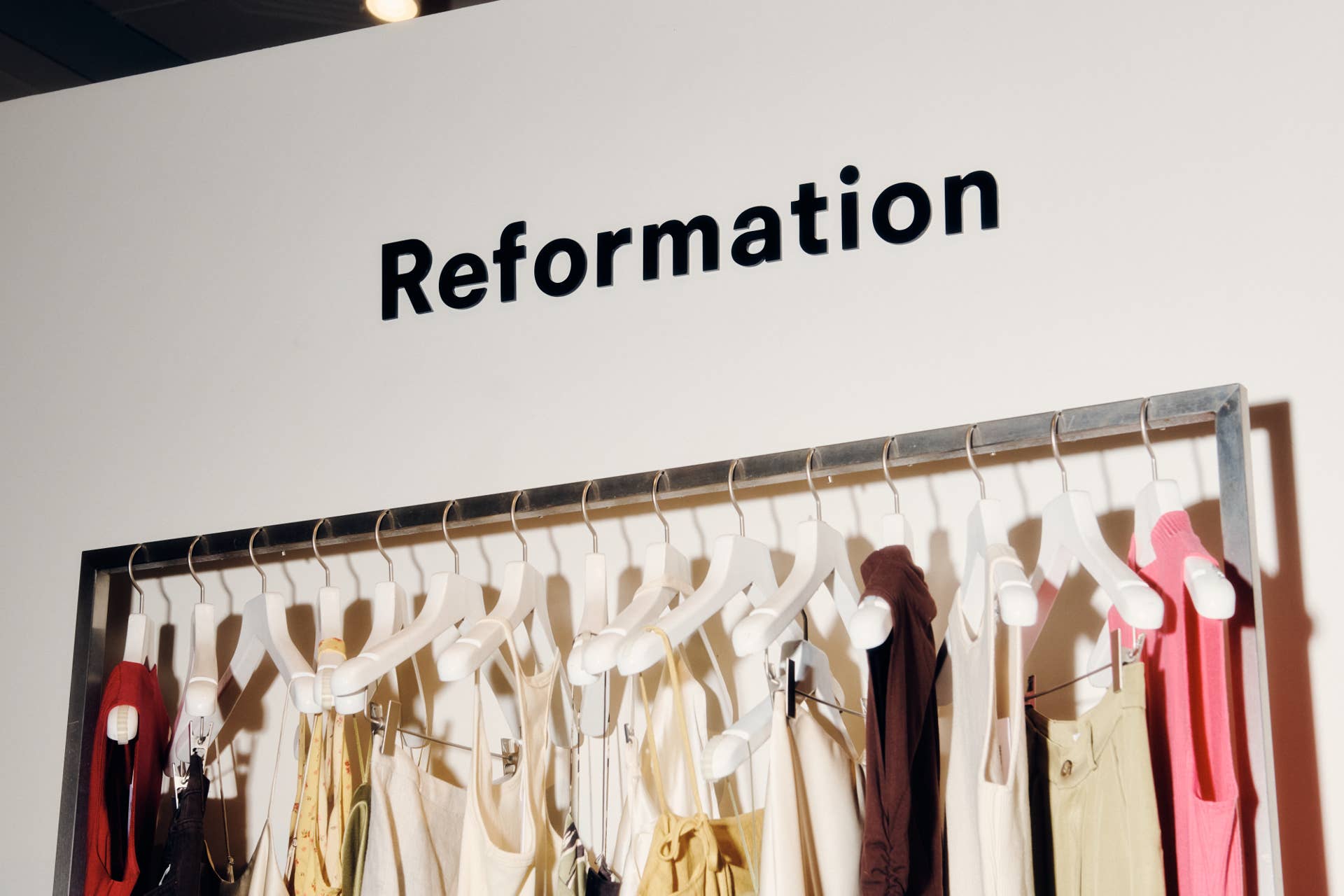
Reformation, the sustainability-focused fashion brand beloved by Gen Z consumers, has filed for its initial public offering, signaling confidence in the direct-to-consumer model and ethical production methods that define its market position. The brand joins a wave of fashion companies seeking public capital as retail consolidation pressures intensify across the sector.
Aesop's Queer Library initiative returns, reinforcing the Australian beauty brand's commitment to LGBTQ+ cultural programming. The project partners with independent bookstores and cultural institutions to celebrate queer voices through curated reading lists and community events. This marks Aesop's continued investment in editorial storytelling beyond skincare, positioning beauty as a platform for social conversation.
Meanwhile, luxury fashion houses reassess their Instagram marketing strategies as the platform's algorithm shifts prioritize video content and community engagement over static imagery. Brands like Gucci, Saint Laurent, and Burberry adjust creative approaches to maintain influence with affluent audiences. The shift reflects broader platform changes that prioritize Reels and Stories, pushing luxury brands to embrace faster-turnaround content production historically misaligned with high-fashion aesthetics.
The timing proves critical for luxury. Instagram remains the primary discovery channel for younger high-net-worth consumers, yet feed dominance no longer guarantees sales conversion. Brands now balance aspirational imagery with authentic, behind-the-scenes footage and user-generated content strategies. Some houses lean into influencer partnerships; others test shoppable features directly within video content.
Reformation's IPO filing arrives amid broader retail restructuring. The brand claims direct-to-consumer channels generate over 70 percent of revenue, reducing wholesale dependency that plagued traditional fashion houses. Sustainability messaging resonates with millennial and Gen Z investors increasingly tied to ESG criteria. The move could reshape venture capital expectations for fashion startups prioritizing environmental responsibility over pure profitability.
These