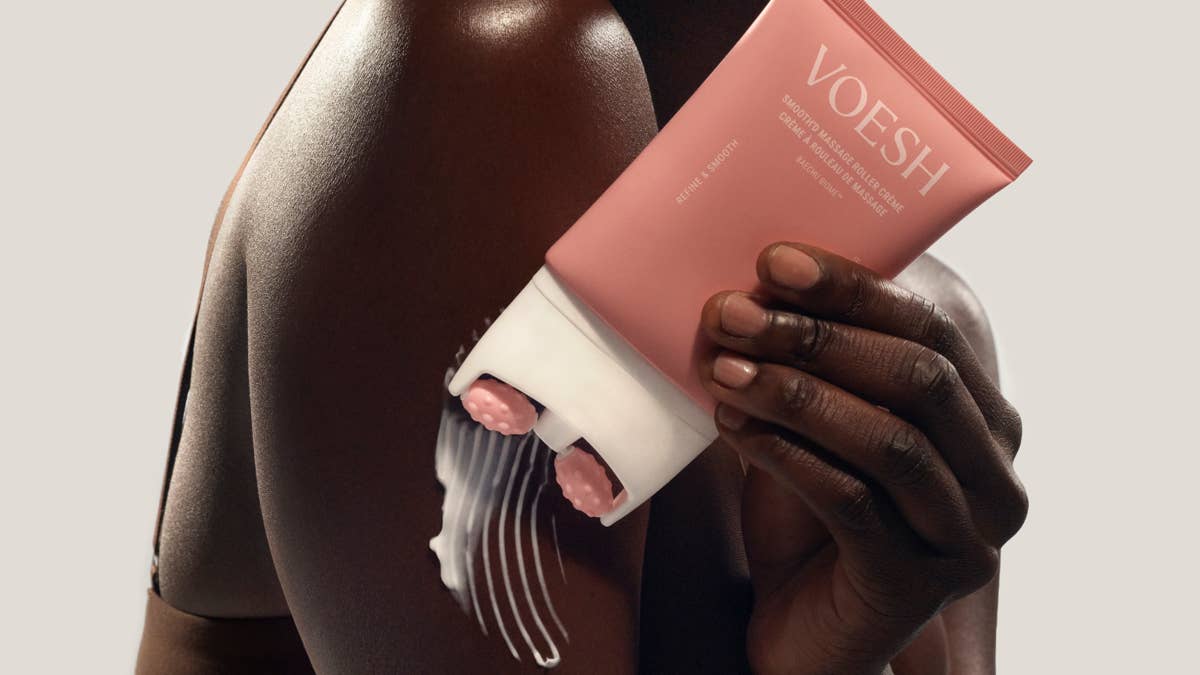
Voesh enters the crowded body-care market with a distinctly tactile approach. The K-beauty-inspired brand positions itself around tools and textures rather than formula alone, launching massage roller creams that combine skincare efficacy with ritualistic application.
The brand's core innovation centers on specialized creams formulated to work with massage rollers, enabling consumers to deliver spa-quality lymphatic massage at home. This speaks to the broader wellness trend infiltrating beauty, where efficacy pairs with sensory experience. Voesh recognizes that today's consumers want their skincare to feel like a treatment, not just a step in a routine.
The brand's gua sha cleansing bar extends this philosophy. Rather than traditional solid soaps, Voesh created a hybrid product that cleanses while delivering the soothing massage benefits associated with gua sha tools. This positions the bar as both functional cleanser and wellness ritual, hitting two consumer desires simultaneously.
The K-beauty framework matters here. Korean beauty's emphasis on multi-step routines and tool-assisted skincare already primed Western consumers for this category expansion. Brands like Sulwhasoo and SK-II established that luxury body and face care could command premium pricing when positioned as ritual rather than necessity. Voesh applies that logic to the emerging massage-device category.
Body care itself has transformed from afterthought into legitimate skincare category. Consumers now expect the same actives and innovation in body products as face serums. Voesh's approach acknowledges this shift while offering something competitors haven't fully captured: products designed specifically for manual massage application.
The timing aligns with wellness culture's embrace of self-care tools. Gua sha stones, jade rollers, and massage devices have moved from niche wellness into mainstream beauty retail. Voesh transforms these tools from standalone purchases into integrated product systems, creating reasons for repeat purchases and