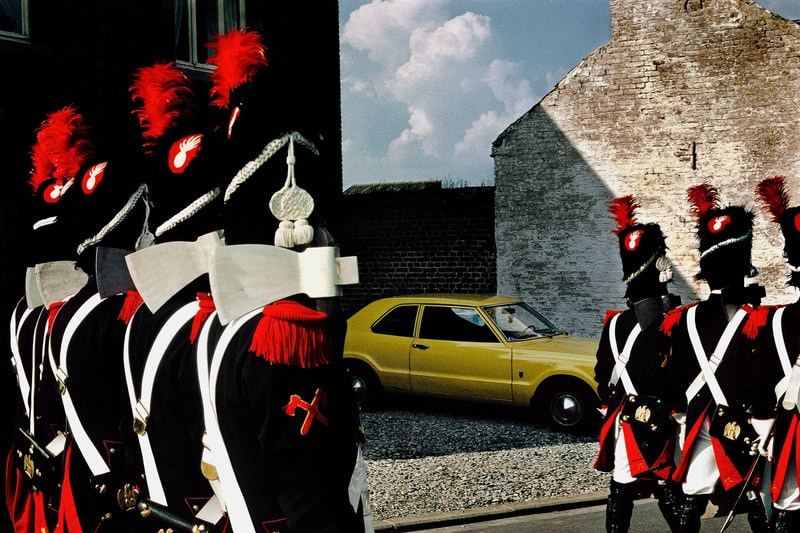
Les Rencontres d'Arles returns to the South of France for its 57th edition, transforming the ancient city into a sprawling open-air gallery. The international photography festival blankets Arles with exhibitions across churches, crypts, municipal buildings, and historical landmarks. Even the local Monoprix supermarket serves as an unexpected venue for the world's most compelling imagery.
This year's edition emphasizes complexity and nuance across its programming. The festival curates work from both emerging and established photographers, creating a conversation between fresh perspectives and seasoned voices. The breadth of venues across Arles reflects the festival's commitment to making photography accessible beyond traditional white-box gallery spaces. By embedding exhibitions into the city's everyday fabric, Les Rencontres d'Arles positions photography as a public practice rather than a sequestered art form.
The 2026 edition arrives at a moment when photography festivals compete fiercely for cultural relevance. Les Rencontres distinguishes itself through its ambitious scale and geographic specificity. Arles itself becomes the curatorial framework, its architecture and history dialoguing with contemporary visual work. This approach has earned the festival international prestige and made it essential viewing for photographers, curators, collectors, and industry professionals.
The festival's decision to exhibit in unconventional spaces, from religious structures to grocery stores, reflects broader shifts in how institutions present visual culture. By refusing the gallery monoculture, Les Rencontres signals that photography belongs everywhere, accessible to locals and tourists alike. This democratization strategy has proven influential across the festival circuit, inspiring other events to rethink their spatial politics.
For the fashion and visual culture world, Les Rencontres d'Arles functions as a barometer for photographic trends and emerging talent. Fashion photographers often debut work here, and the festival frequently showcases visual narratives exploring identity,