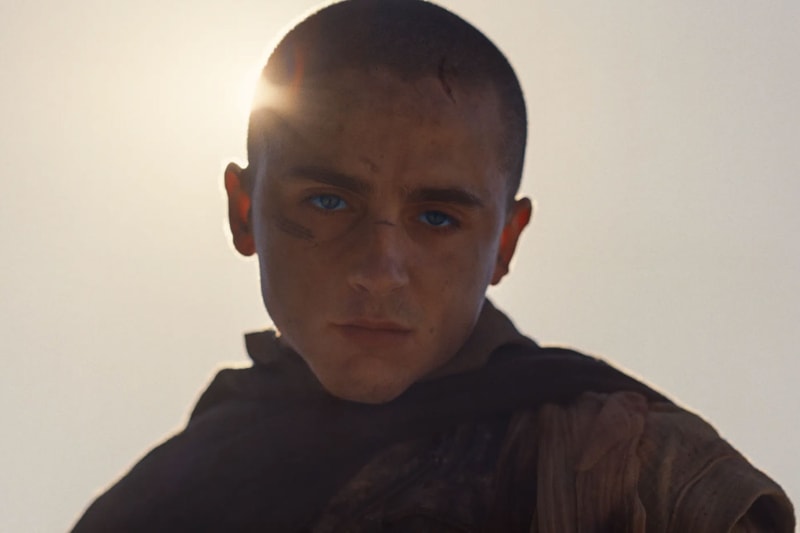
Denis Villeneuve's "Dune: Part Three" leaps 17 years forward, adapting Frank Herbert's "Dune Messiah" with a darker, more experimental visual language. Warner Bros. Pictures and Legendary Entertainment released the first full trailer, revealing Paul Atreides transformed by time, power, and the brutal consequences of his messianic rise.
The jump represents a massive narrative shift. The first two films tracked Paul's ascent from refugee to emperor. This installment charts his internal collapse under the weight of prophecy and control. Timothée Chalamet returns as an older, harder Paul, while Zendaya reprises her role amid the galactic turbulence that follows his consolidation of power.
Villeneuve assembled a specialized Psychedelic Unit to realize the film's hallucinatory aesthetic. The approach signals a tonal departure from the epic scope of the previous installments. Rather than sand dunes and desert combat, "Part Three" channels psychological horror and experimental cinema. The visuals suggest Paul's deteriorating mental state as religious fanaticism spreads in his name, despite his mounting doubts.
This adaptation choice matters. Herbert's "Dune Messiah" deconstructs the hero's journey, positioning Paul as a tragic figure rather than a triumphant one. He becomes prisoner to his own legend. Villeneuve's visual language amplifies this inversion, trading grandeur for disorientation.
The extended timeline also allows the film to explore the human cost of Paul's empire. Secondary characters age visibly. New faces enter the power struggle. The galaxy shifts while Paul's agency shrinks, trapped between his prophetic reputation and his actual limitations.
The 17-year gap creates breathing room for thematic depth. Rather than rushing through political intrigue, Villeneuve builds toward psychological breakdown. The