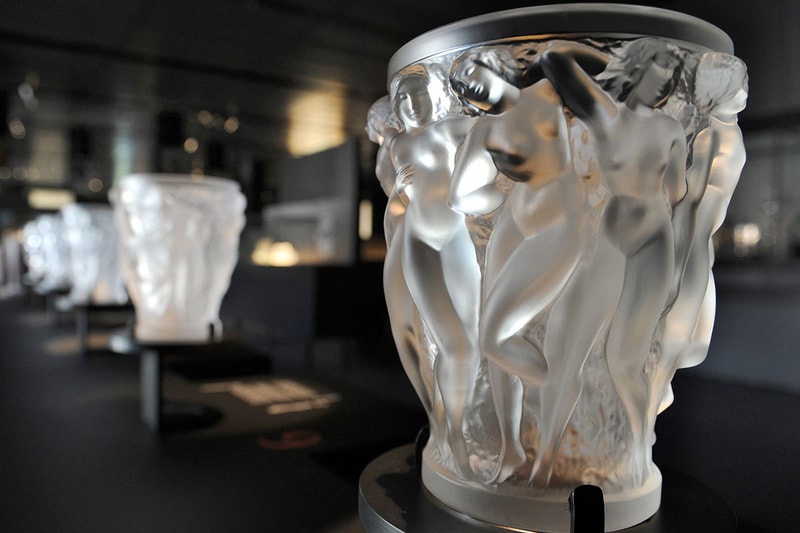
Masked thieves conducted a precision heist at the Musée Lalique in France, stealing approximately 27 pieces of archival jewelry valued at roughly $5 million USD. The early morning raid targeted the museum's most significant holdings, including works exemplifying René Lalique's pioneering Art Nouveau and Art Deco jewelry techniques that defined early 20th-century decorative arts.
The theft marks the second major French museum robbery in less than a year, following a significant daytime heist at the Louvre. The pattern reveals escalating security vulnerabilities at some of Europe's most prestigious cultural institutions, even as museums invest heavily in upgraded protection systems.
René Lalique's jewelry remains among the most coveted pieces in decorative arts collecting. His mastery of glass and metalwork fusion created iconic designs that command extraordinary prices in private sales and auction houses. Museum pieces function as both artistic masterworks and benchmarks for authenticity, making archival Lalique jewelry targets for organized theft rings serving wealthy private collectors operating outside legal markets.
The Musée Lalique, dedicated entirely to the designer's legacy, houses irreplaceable examples of his craftsmanship. The specific targeting of the jewelry gallery suggests thieves possessed detailed knowledge of the collection's layout and security protocols. The coordinated nature of the operation points toward organized international crime networks with expertise in museum theft, rather than opportunistic burglary.
Museum directors across France face mounting pressure to bolster physical security without compromising visitor experience. The thefts underscore the tension between public access to cultural treasures and their vulnerability to sophisticated criminal operations. Insurance costs escalate, while some institutions question whether displaying certain high-value pieces justifies the risk.
The stolen pieces represent not just financial losses but irreplaceable cultural heritage. Unlike paintings or sculptures that can theoretically be recovered, jewelry disperses easily into private collections where it vanishes from