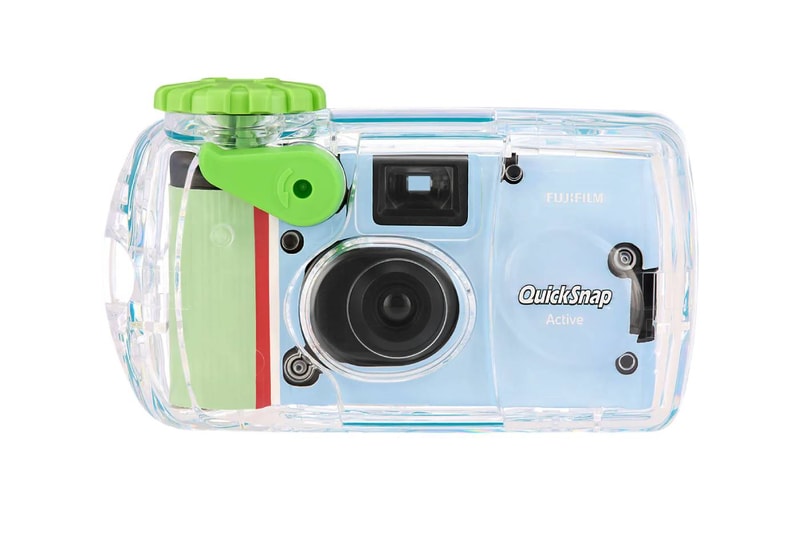
Fujifilm marks four decades of the QuickSnap with two new disposable cameras targeting analog nostalgia and outdoor adventure markets. The QuickSnap Black and White delivers 27 exposures of ISO 400 monochrome film, tapping into the resurgent appetite for grayscale photography among Gen Z and millennial consumers. The QuickSnap Active offers waterproof capability up to 35 feet, positioning the camera for beach trips, pool parties, and water sports where smartphone protection remains a concern.
The move reflects broader industry recognition that single-use cameras have transcended novelty status. After nearly disappearing from retail shelves in the 2010s, disposable cameras experienced unexpected revival as consumers rejected infinite digital rolls in favor of finite, intentional shooting. Fujifilm's original QuickSnap launched in 1986 and became a cultural staple, particularly among tourists and casual photographers who appreciated the simplicity and predictable aesthetic.
Both new models arrive at a moment when film photography commands premium pricing and genuine scarcity. Disposable cameras now retail for $15 to $25, a significant jump from their original positioning as budget-friendly options. This premium positioning works in Fujifilm's favor. The brand controls both film manufacturing and camera assembly, giving it pricing power competitors like Kodak lack.
The Black and White variant speaks directly to Instagram's aesthetic obsessions and the continued influence of film photography on digital culture. The Active model targets a different demographic entirely. Adventure seekers and resort vacationers represent an underserved market segment. Disposable waterproof cameras eliminate the risk calculation of bringing expensive equipment poolside.
Fujifilm's strategy here extends beyond novelty products. These releases reinforce the company's dominance in film stock production at a time when Kodak's capacity remains limited and Fujifilm's supply chain