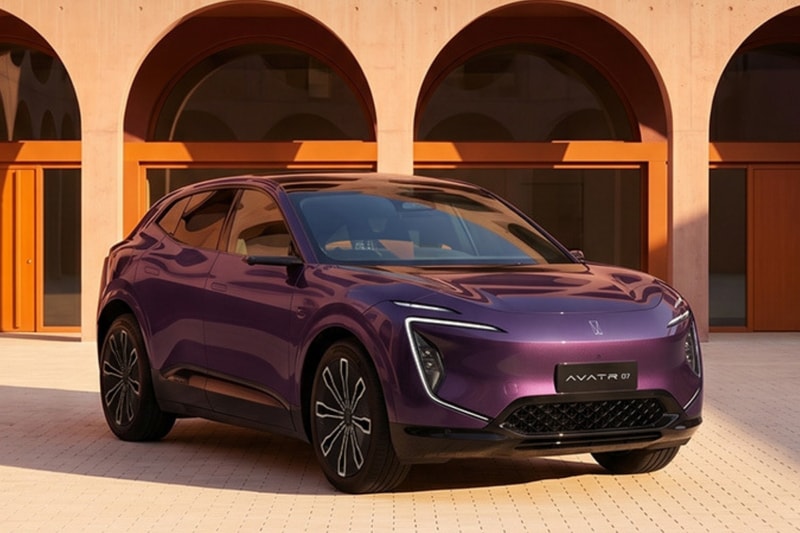
AVATR emerges as a luxury EV brand that challenges the industry's obsession with specifications alone. The Chinese electric vehicle manufacturer, born from a collaboration between automotive maker CHANGAN, tech giant Huawei, and battery specialist CATL, positions itself around "Emotive Luxury." This philosophy treats electric vehicles not as transportation hardware optimized for range and charging speed, but as extensions of personal identity and emotional experience.
The partnership represents a calculated consolidation of expertise. CHANGAN brings automotive engineering heritage. Huawei contributes digital infrastructure and intelligent systems. CATL supplies battery technology and manufacturing scale. Together, they construct a vertically integrated ecosystem that few EV startups can match. This structural advantage allows AVATR to develop proprietary software, custom battery solutions, and hardware integration that feel cohesive rather than bolted together.
The "Emotive Luxury" positioning directly challenges Tesla's utilitarian efficiency narrative and legacy luxury automakers' incremental electrification strategies. Rather than selling EVs as cleaner versions of existing models, AVATR argues for emotional resonance as a primary value proposition. The brand recognizes that luxury buyers increasingly seek meaning beyond performance metrics. They want technology that feels intuitive, designs that signal status without screaming, and experiences that acknowledge human psychology.
This approach matters because the luxury EV market has fractured into competing philosophies. Traditional houses like Mercedes-Benz and BMW pursue heritage-first electrification. Startups like NIO emphasize service ecosystems and battery swapping. Tesla dominates through software-first innovation. AVATR's three-way partnership creates a rare position: manufacturing scale with tech credibility, combined with a design philosophy grounded in emotional intelligence rather than spec sheets.
The brand's emergence signals China's maturation in luxury goods manufacturing. CHANGAN, historically known for volume production, now competes in