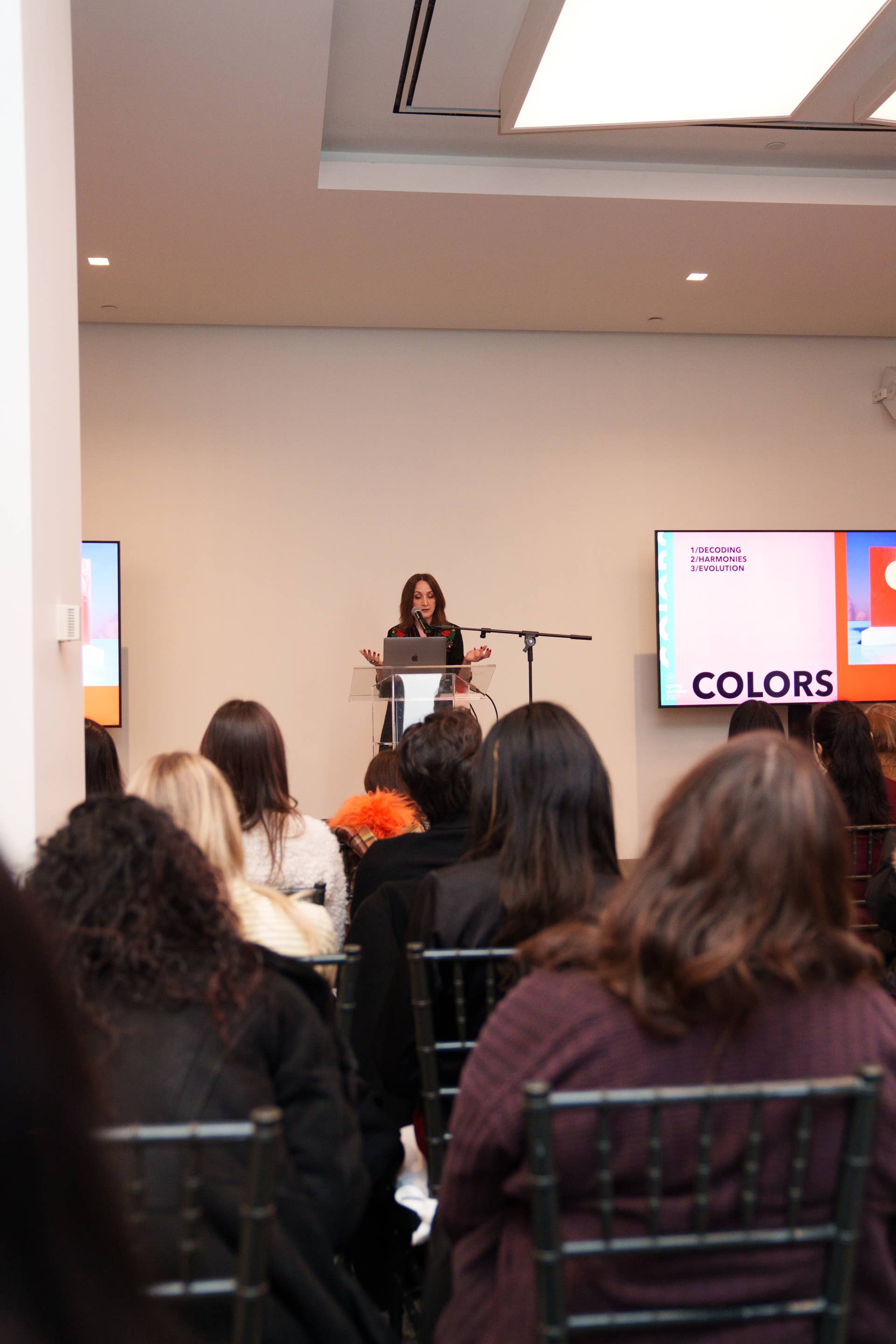
PV New York opened its doors to more than 130 exhibitors representing the global fashion supply chain, positioning itself as a critical sourcing hub for Fall-Winter 27-28. The trade show gathered international manufacturers, fabric specialists, and product development teams in Manhattan, creating a concentrated marketplace for brands seeking materials and production partners.
The event reflects the industry's shift toward earlier season planning. Collections destined for Fall-Winter 27-28 require sourcing decisions now, pushing designers and product teams to commit to fabrics, trims, and manufacturing partners more than a year in advance. This accelerated timeline shapes everything from fabric innovation to production logistics.
PV New York's positioning as a "focused sourcing experience" differentiates it from broader fashion trade shows. Rather than showcasing finished collections, the event connects decision-makers directly with suppliers. Brands encounter textile innovations, sustainable manufacturing options, and emerging production techniques that will inform their collections.
The breadth of exhibitors signals the complexity of modern fashion supply chains. International manufacturers brought capabilities across price points and production scales. Fabric experts presented innovations ranging from performance textiles to sustainable alternatives. Accessory and trim suppliers rounded out the marketplace.
For smaller and emerging designers, trade shows like PV New York provide access to suppliers traditionally controlled by larger conglomerates. For established brands, the event offers opportunities to discover new partners or evaluate alternative production markets.
The Fall-Winter 27-28 cycle typically reflects consumer trends emerging two to three years earlier. Current sourcing decisions at PV New York will influence silhouettes, fabrications, and construction methods hitting retail in 2027. Designers browsing textile booths today are essentially betting on what customers will want in 28 months.
The event also reveals industry priorities. Heavy attendance around sustainable fabrics indicates brands responding to consumer pressure and regulation. Presence of digital fabric libraries and production management software