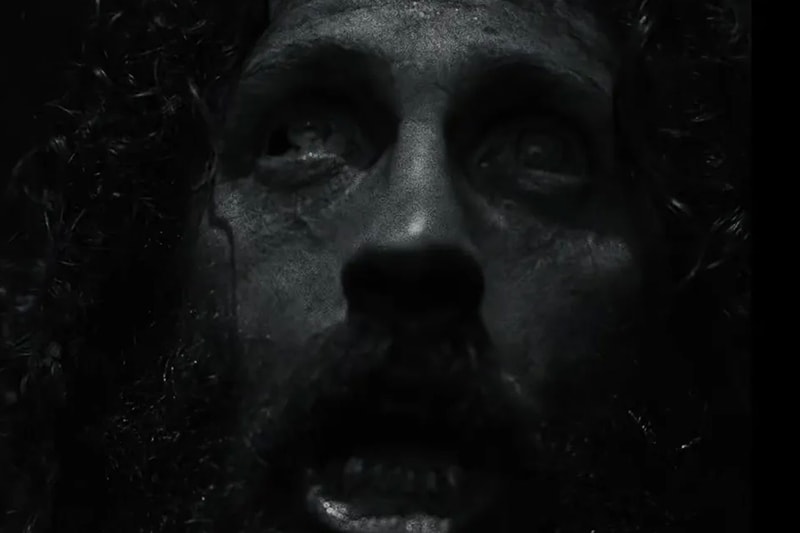
Robert Eggers delivers another gothic descent into medieval darkness with WERWULF, Focus Features' new period horror film that marks the director's continued obsession with historical dread and folk horror aesthetics.
Aaron Taylor-Johnson anchors the 13th-century nightmare as a cursed farmer trapped in an unspeakable transformation. Eggers, who commanded critical and commercial attention with 2024's Nosferatu remake, co-wrote the screenplay with Icelandic poet Sjón. This collaboration signals Eggers' commitment to literary depth alongside visual terror, the same approach that elevated Nosferatu beyond typical vampire fare.
The casting reunites Eggers with his Nosferatu ensemble. Willem Dafoe and Lily-Rose Depp reprise roles in WERWULF, creating a stock company of recurring collaborators that echoes prestige horror's best traditions. This continuity suggests Eggers has built a creative ecosystem where actors understand his specific language of dread and atmospheric intensity.
WERWULF positions itself at the intersection of werewolf lore and medieval allegory. Rather than approaching the monster-transformation narrative as action spectacle, Eggers frames it as existential horror rooted in period authenticity. The title itself references Old English and proto-Germanic language, underscoring the director's commitment to linguistic and cultural specificity that defined The Lighthouse and The Northman.
The official trailer arrives as Eggers consolidates his status as horror's reigning auteur. Where contemporary horror franchises chase jump scares and gore, Eggers constructs slow-burn psychological terror through production design, sound design, and performative restraint. Taylor-Johnson's casting suggests a lead character defined by anguish rather than heroism, someone victimized by forces beyond comprehension.
Focus Features' backing indicates major studio confidence in Eggers