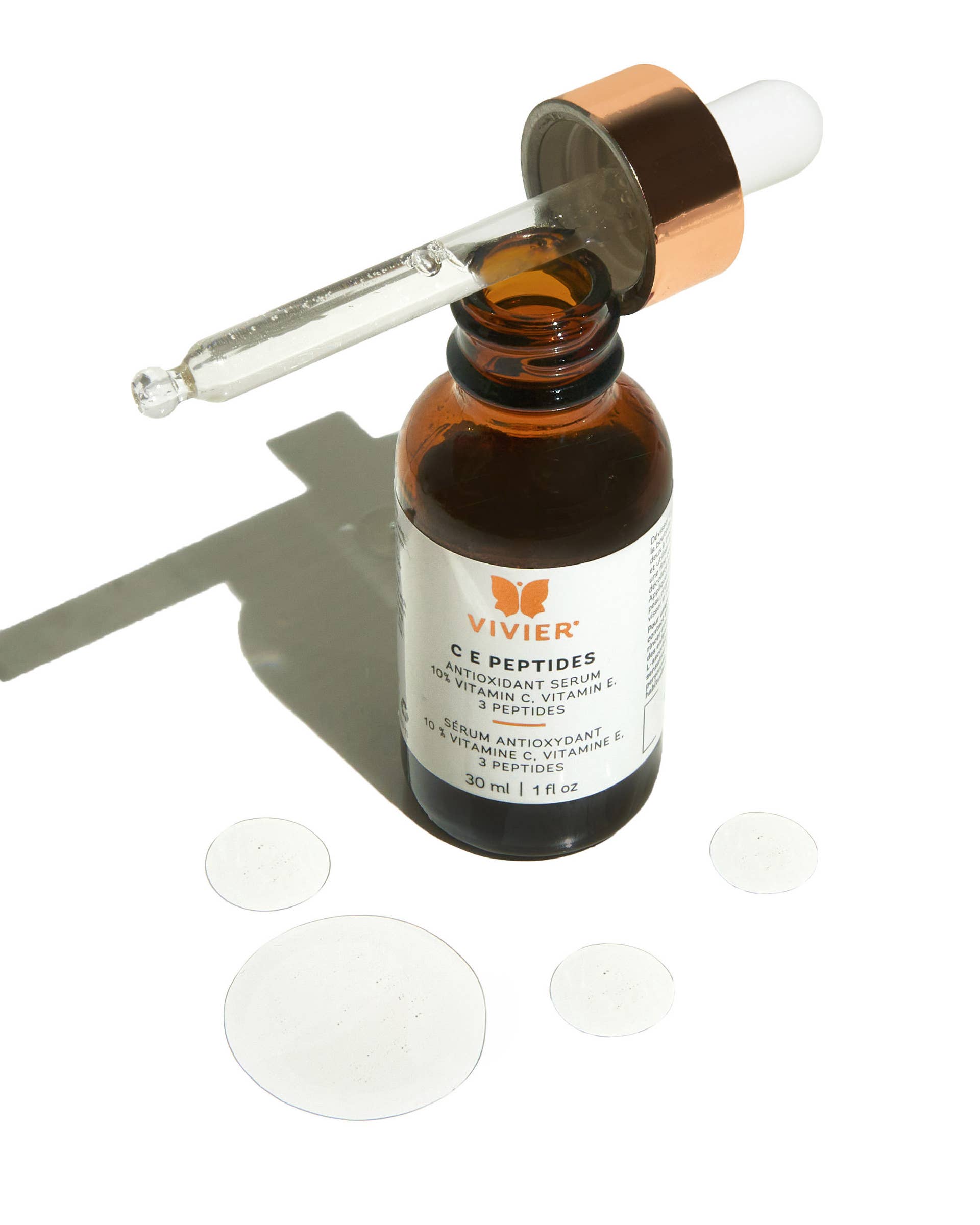
Jess Vivier built his eponymous skincare line on a personal mission. His wife struggled to find truly effective products, so he channeled that frustration into formulation. Vivier launched in 2000 with a singular focus: pharmaceutical-grade skincare rooted in clinical science rather than marketing hype.
The brand operates from Canada and positions itself at the intersection of dermatology and cosmetics. Pharmaceutical-grade products distinguish themselves through rigorous testing, higher concentrations of active ingredients, and results-driven formulations unavailable in mass-market retail. Vivier's approach mirrors the clinical skincare movement that has gained momentum over the past decade, alongside brands like SkinCeuticals, Obagi, and Skincell.
What separates Vivier from competitors lies in its commitment to ingredient integrity. The brand avoids fillers and prioritizes potency. Products contain stabilized forms of actives like vitamin C, retinol, and peptides in concentrations proven to penetrate skin barriers effectively. This philosophy attracts consumers fatigued by greenwashing and vague wellness claims in luxury skincare.
The Canadian skincare sector has quietly become a hub for innovation. Brands like Deciem (owned by Estée Lauder) and locals like Drunk Elephant's predecessors emerged from this region's emphasis on research-backed formulation. Vivier taps into this legacy while maintaining an independent stance focused on dermatological efficacy over celebrity endorsement or lifestyle branding.
Distribution channels for pharmaceutical-grade brands typically include dermatologist offices, medspas, and professional skincare retailers rather than department stores. This gatekeeping preserves positioning and ensures educated consumer engagement. Vivier likely follows this model, limiting availability to practitioners who understand clinical skincare's nuances.
The brand's origin story resonates in today's market.