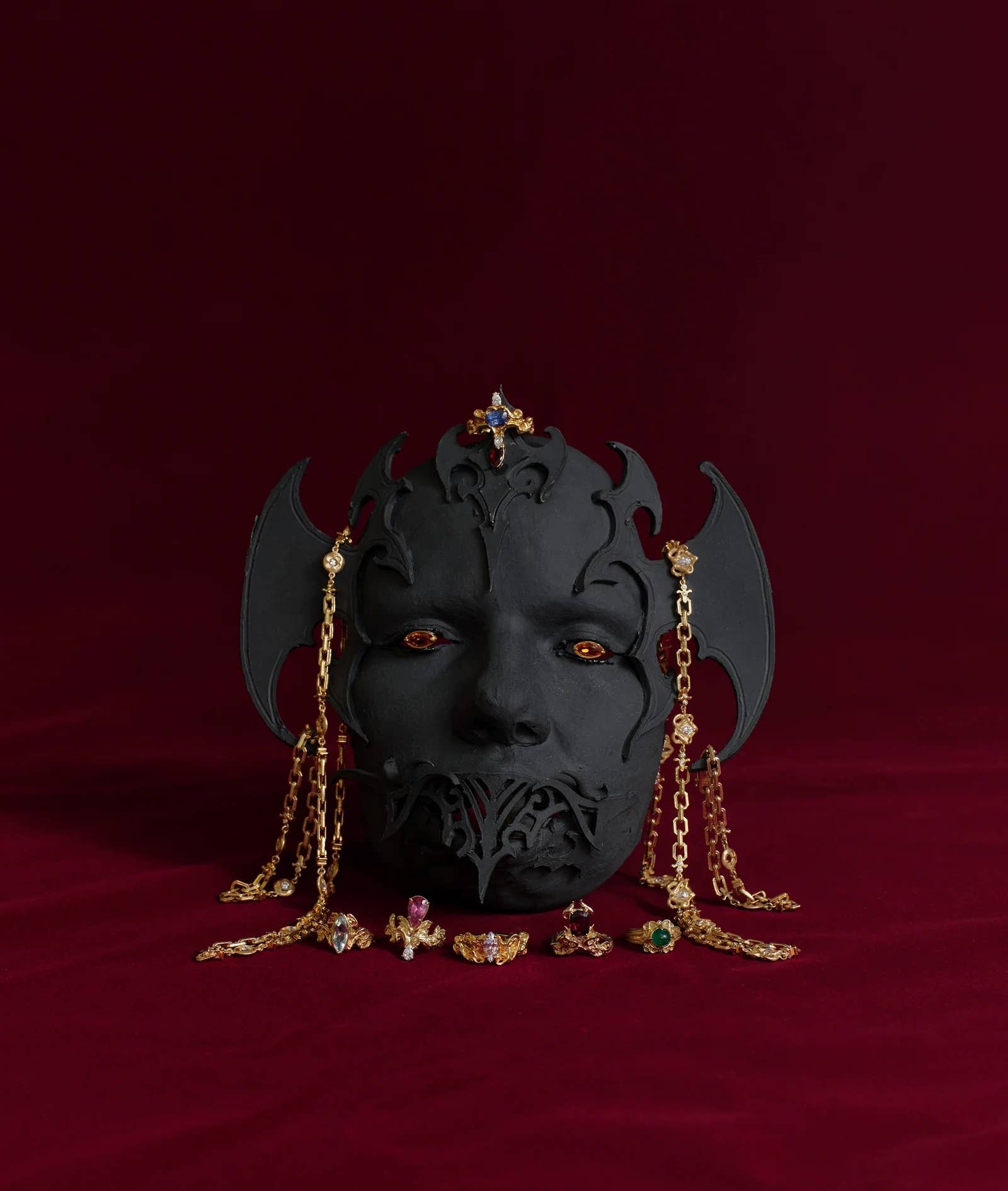
AdaLioryn positions fine jewelry as contemporary spiritual objects. The New York-based brand channels ancient metalworking traditions, specifically lost wax casting, to produce pieces that function as modern talismans for the wearer.
The collection merges historical craftsmanship with current design sensibilities. Lost wax casting, a technique traceable to Bronze Age artisans, involves creating a wax model, encasing it in ceramic, then pouring molten metal into the cavity once the wax melts away. This labor-intensive process yields organic forms and intricate detailing impossible through standard production methods.
AdaLioryn's philosophy rejects mass production's homogeneity. Each piece carries intentionality, whether through symbolic geometry, protective iconography, or personalized elements. The brand appeals to consumers seeking jewelry beyond aesthetic value. Talismanic qualities resonate particularly with Gen Z and millennial buyers who integrate spirituality and wellness into purchasing decisions.
The brand operates within a broader luxury sector shift toward artisanal production and heritage techniques. Houses like Chrome Hearts and Anita Ko have similarly built followings through handcrafted approaches and limited availability. AdaLioryn competes in this space by emphasizing the ritualistic aspects of wearing fine jewelry.
Material choices signal brand values. The use of responsibly sourced metals and gemstones aligns with millennial and Gen Z expectations around sustainability and ethical sourcing. Fine jewelry marketing increasingly emphasizes the human hand and time investment behind each object.
AdaLioryn's positioning as a purveyor of modern talismans taps into renewed consumer interest in tangible, meaningful objects. In an increasingly digital age, fine jewelry that embodies craft, intention, and spiritual purpose offers grounding. The brand's narrative transforms accessories into heirlooms with contemporary resonance.