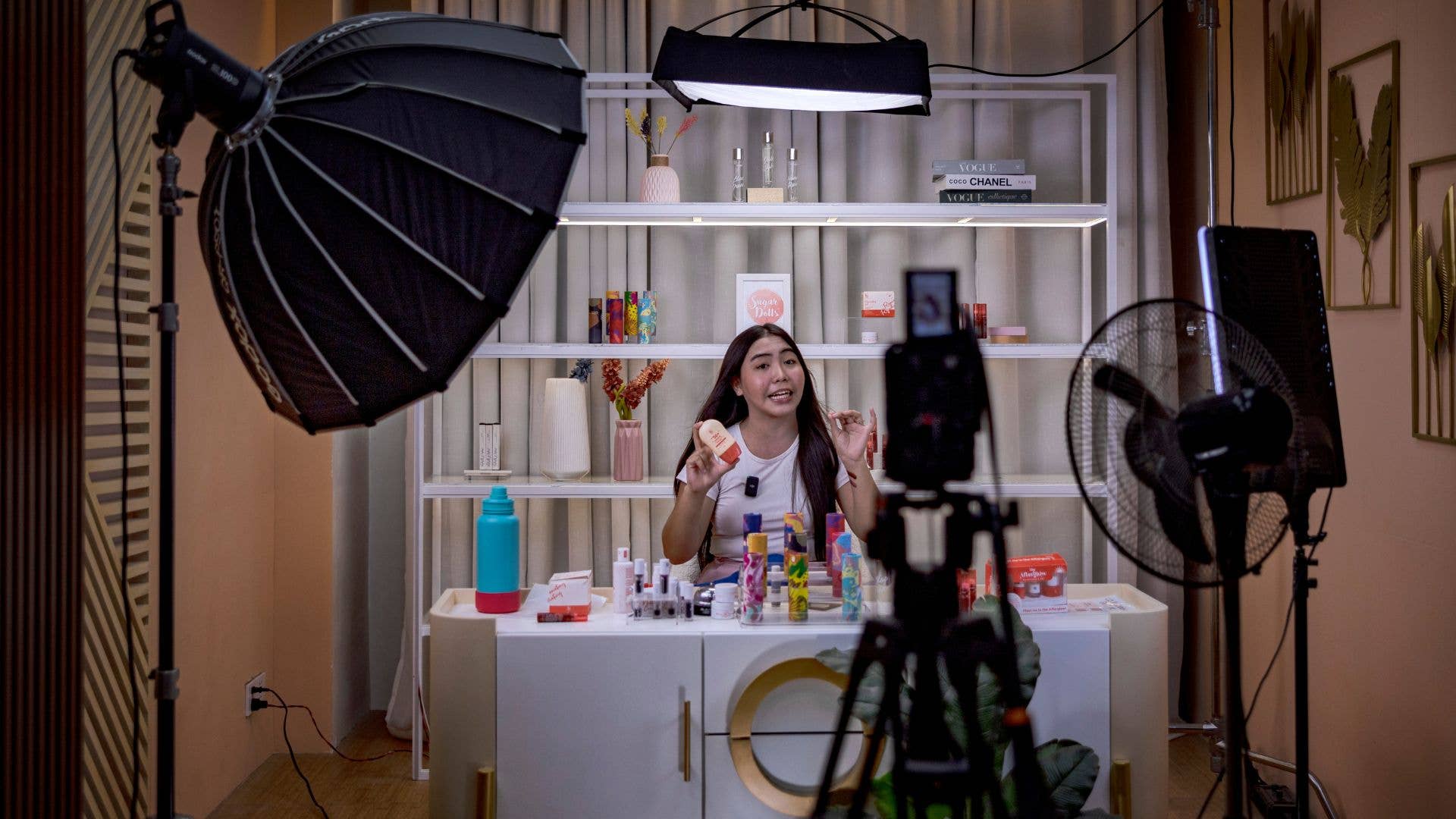
Livestream commerce transforms beauty retail into an interactive, real-time experience. McKinsey's State of Beauty 2026 report confirms shoppable video streams represent a significant emerging sales channel for cosmetics and skincare brands competing in an increasingly digital marketplace.
Beauty brands now leverage livestreaming to create urgency and authentic engagement. The format allows influencers, brand ambassadors, and makeup artists to demonstrate products live while viewers purchase directly through integrated shopping features. This removes friction from the discovery-to-purchase journey, a friction point traditional e-commerce still struggles with.
The trend accelerates across platforms. TikTok Shop, YouTube Shopping, and Instagram's native livestream commerce tools provide infrastructure for brands to test real-time selling. Smaller indie beauty brands gain equal footing with established players like Estée Lauder and L'Oréal, since production barriers remain low and audience-building happens through personality rather than budget alone.
Consumer behavior drives adoption. Gen Z and younger millennials already consume beauty content through short-form video. Merging content consumption with checkout feels natural rather than disruptive. Viewers skip traditional ads and seek peer validation through unscripted tutorials and honest product reactions.
McKinsey's data suggests livestream beauty shopping will represent a measurable revenue slice by 2026. International markets lead adoption. China's livestream commerce culture establishes proven playbooks that Western brands now adapt. Viya and other top livestream hosts in Asia generate millions annually through beauty sales, setting templates for global expansion.
Brands face new demands. Livestream success requires charismatic hosts, reliable technology, and inventory management for sudden spikes. The format demands authenticity. Overly polished, corporate presentations underperform against casual, relatable content. Beauty players investing in creator partnerships rather than brand-controlled broadcasts see stronger conversion rates.
This shift reshapes