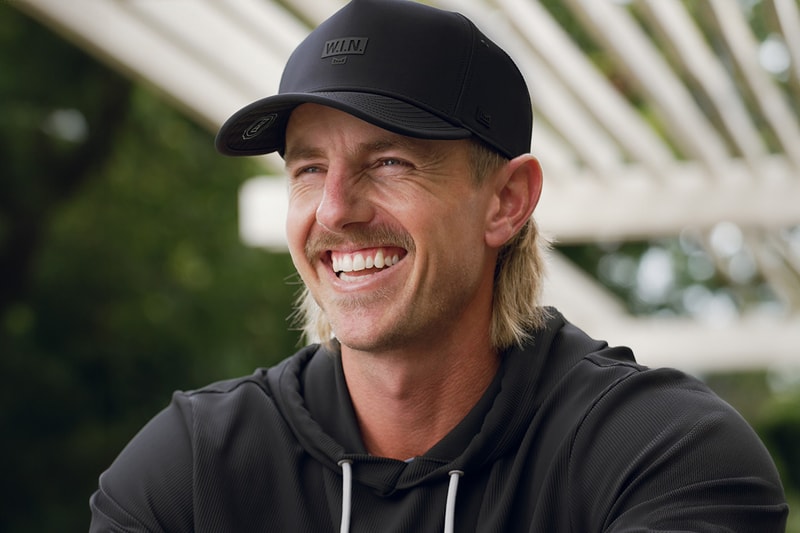
Jake Knapp represents a seismic shift in professional golf's cultural identity. The young golfer embodies a laid-back ethos that defies decades of sport tradition, where players maintained carefully controlled images locked within golf's narrow confines.
Knapp's rise signals how a new generation of PGA Tour athletes reject the old playbook. These players grew up steeped in skateboarding, surfing, sneakers, and streetwear. Their cultural references span far beyond fairways and greens. They build audiences through authenticity rather than corporate polish.
This matters for fashion and lifestyle brands watching golf's evolution. The sport traditionally catered to heritage labels and conservative aesthetics. Khakis, polos, tucked shirts defined the uniform. Brands like Ralph Lauren and Polo Golf dominated sponsorship landscapes unchallenged.
Knapp's approach cracks that formula. His willingness to express broader interests, wear what resonates genuinely, and connect with audiences beyond golf's core demographic opens the sport to younger, style-conscious consumers. Sneaker culture influencers now pay attention to professional golfers. Streetwear communities engage with tour players in ways unimaginable five years ago.
The shift extends beyond individual style choices. Sponsors recognize opportunity. Apparel companies previously locked out of golf's premium positioning now see entry points through players who speak their language. A golfer comfortable in skateboard culture or contemporary streetwear becomes a bridge between golf's establishment and Gen Z's aesthetic preferences.
What makes Knapp's trajectory notable isn't that he plays well. It's that he plays well while staying authentically himself. He doesn't contort his personality into golf's traditional mold. This confidence resonates with younger athletes across sports, signaling that success doesn't require cultural conformity.
Golf's image problem stemmed partly from perceived stuffiness. The sport