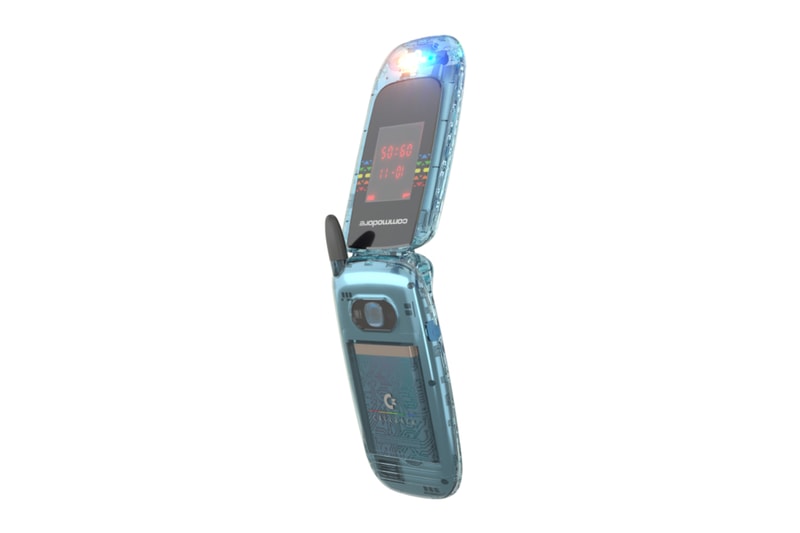
Commodore launches the Callback 8020, a flip phone engineered to break smartphone addiction. The device runs a customized Sailfish OS that blocks social media platforms and web browsers at the system level, eliminating the technological infrastructure that fuels doom-scrolling.
The hardware channels early 2000s nostalgia with practical modern specs. A 48-megapixel Sony camera delivers quality photography without Instagram's seduction. An audiophile-grade DAC ensures music streaming through Spotify remains pristine, positioning audio as intentional consumption rather than background distraction.
The notification system abandons scrollable feeds entirely. Instead, a dome LED communicates incoming messages and calls, replacing the infinite-scroll dopamine loop with simple visual cues. This design philosophy transforms how users interact with their devices. Messages arrive as notifications, not rabbit holes.
Commodore targets a specific market segment: professionals and creatives tired of algorithmic feeds stealing attention. WhatsApp remains functional for communication, but TikTok, Instagram, and web browsing cannot operate on the device. The company positions this as intentional architecture, not parental controls.
The flip form factor itself carries cultural weight. Flip phones symbolize analog restraint in a hyperconnected era. The Callback 8020 weaponizes this nostalgia against digital compulsion. Opening the device requires physical action, creating friction between impulse and action. Scrolling becomes impossible.
Commodore's approach differs from competitors like Light Phone and Punkt, which strip functionality to near uselessness. The Callback 8020 preserves essential services while surgically removing attention-stealing infrastructure. Spotify streams. WhatsApp chats. Photography happens. Doom-scrolling does not.
This strategy reflects broader consumer pushback against algorithmic exploitation. Digital wellness has become a luxury product category. Commodore charges premium