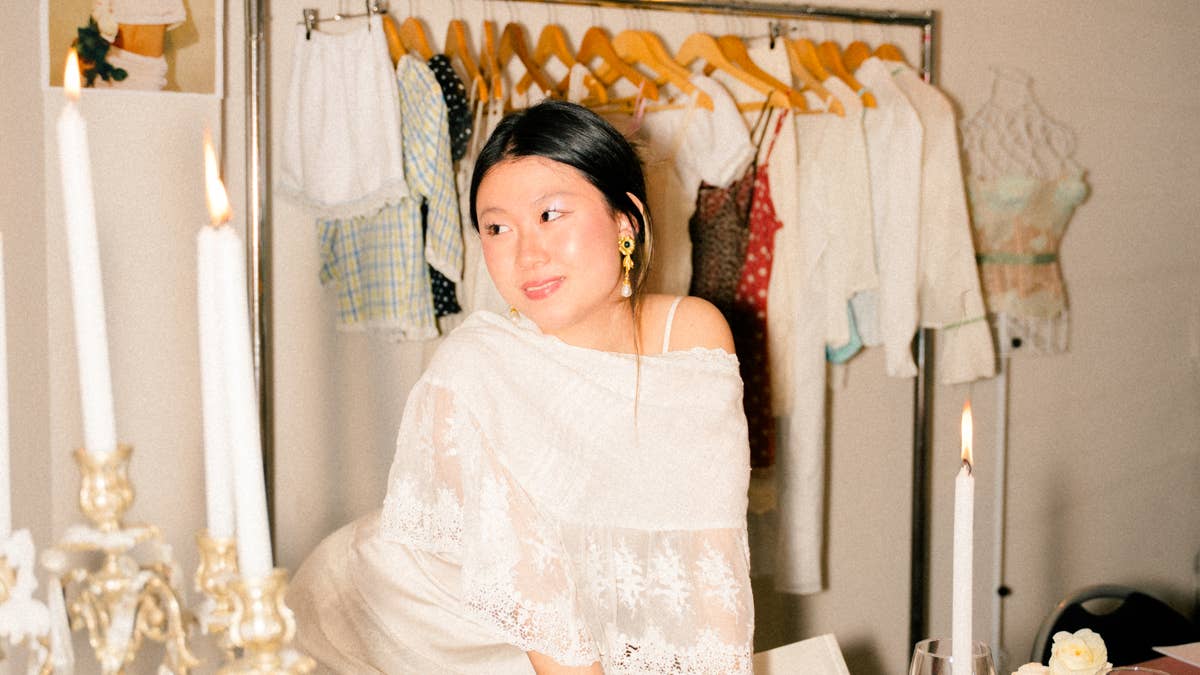
Jingyi Luo built a thriving fashion business before she could legally vote. The 19-year-old Parsons School of Design student founded LovebyVenus at 14, creating a label centered on romantically feminine aesthetics that has gained traction in Australia and beyond.
Luo's brand operates at the intersection of Gen Z sensibilities and traditional femininity. LovebyVenus delivers pieces that emphasize softness, romance, and emotion through fabric choice and silhouette. The label avoids the ironic detachment common in contemporary youth-driven fashion, instead embracing earnest celebration of feminine expression.
Starting a brand as a teenager required unconventional timing and discipline. Luo balanced design school coursework with production logistics, supply chain management, and direct customer communication. Her dual commitment to Parsons and her own label reflects a broader trend among emerging designers who build personal brands alongside formal training rather than waiting for traditional industry entry points.
The Australian fashion industry benefits from international digital distribution. LovebyVenus reaches customers globally through e-commerce, allowing Luo to build her audience without geographic limitations. This model differs sharply from previous generations of young designers who needed regional press coverage and physical retail placement to gain visibility.
At 19, Luo represents a cohort of Gen Z designers who reject the gatekeeping of established fashion houses. Rather than apprenticing at luxury conglomerates or waiting for investment, they launch directly to consumer audiences. Social media serves as their showroom and advertising budget simultaneously.
LovebyVenus positions itself against the oversaturation of minimalism and logomania that dominated the 2010s. Luo's romantically feminine approach speaks to younger customers seeking beauty and emotion in their clothing rather than status signaling. This demand for earnest aesthetic positioning continues reshaping which brands gain cultural momentum among Gen Z