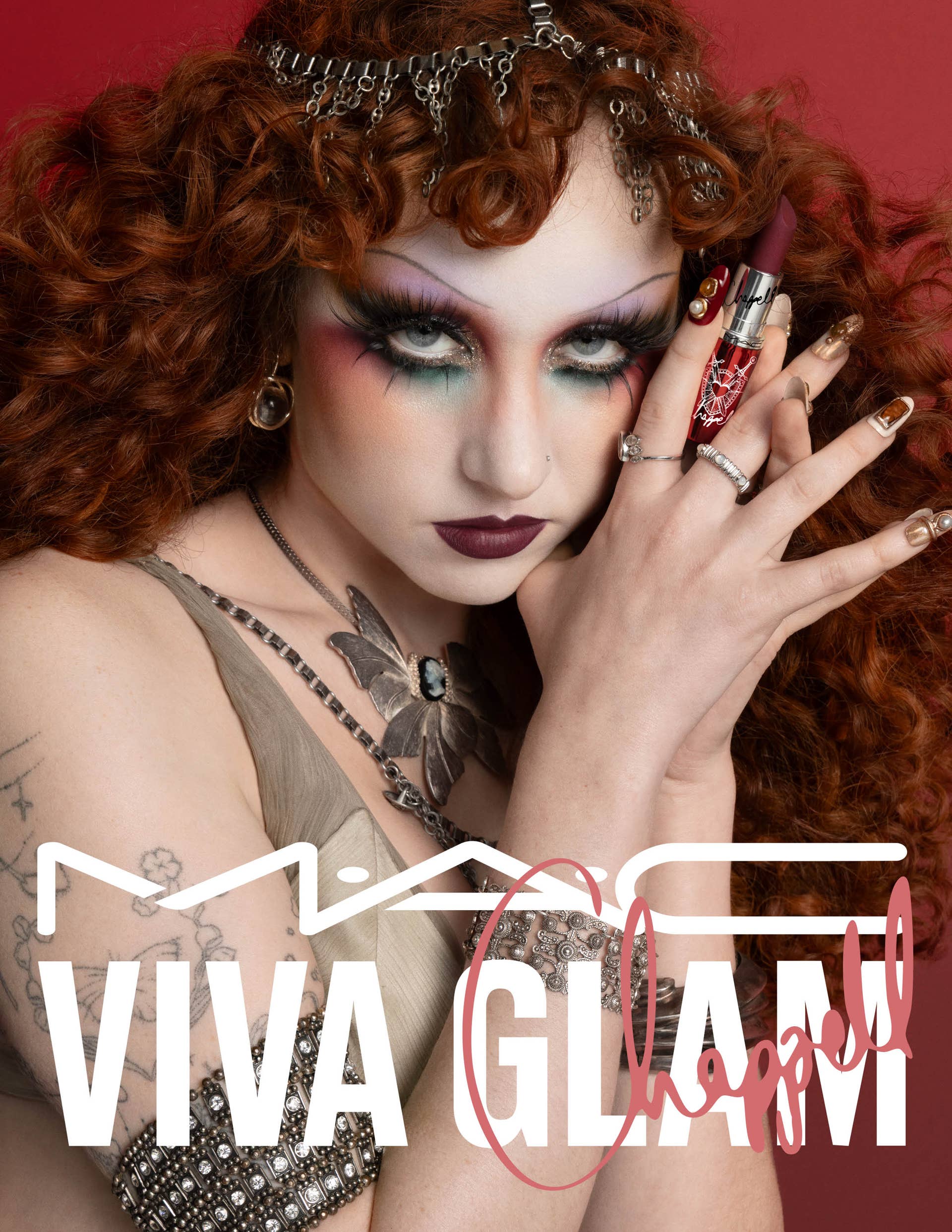
Chappell Roan headlines MAC Cosmetics' Viva Glam campaign for 2026, cementing the singer's position as a cultural force beyond music. The campaign taps into Roan's bold aesthetic and queer visibility, aligning MAC's legacy of championing marginalized communities through its iconic lipstick line. Viva Glam has long partnered with musicians and performers who embody fearlessness, making Roan an organic fit for the brand's ethos.
Simultaneously, Gracie Abrams secures a Vogue cover, reflecting the songwriter's ascent in both music and fashion spheres. Abrams brings a refined, introspective sensibility to the glossy pages, diverging from typical celebrity cover narratives with her thoughtful approach to style and storytelling.
In automotive fashion news, Ferrari Style announced plans to show in New York this fall. The luxury carmaker's foray into fashion strengthens the blurred lines between high-end automotive design and couture. Expect the presentation to emphasize craftsmanship, heritage, and the aspirational lifestyle Ferrari cultivates.
These announcements reflect broader industry movements. Celebrity partnerships now extend across music, fashion, and lifestyle sectors simultaneously. Brands pursue artists with authentic cultural relevance rather than passive endorsers. MAC's choice of Roan signals recognition that Gen-Z consumers value representation and activism. Abrams' Vogue moment underscores how musicians dominate editorial real estate alongside traditional models.
Ferrari's New York showing positions luxury goods beyond traditional categories. As fashion houses expand into beauty, fragrance, and lifestyle, automotive luxury explores fashion presentations. The convergence suggests fashion's boundaries continue dissolving.
These campaigns arrive as brands compete for cultural moments and generational appeal. Roan and Abrams represent different audience segments yet share authenticity. Both command devoted follow