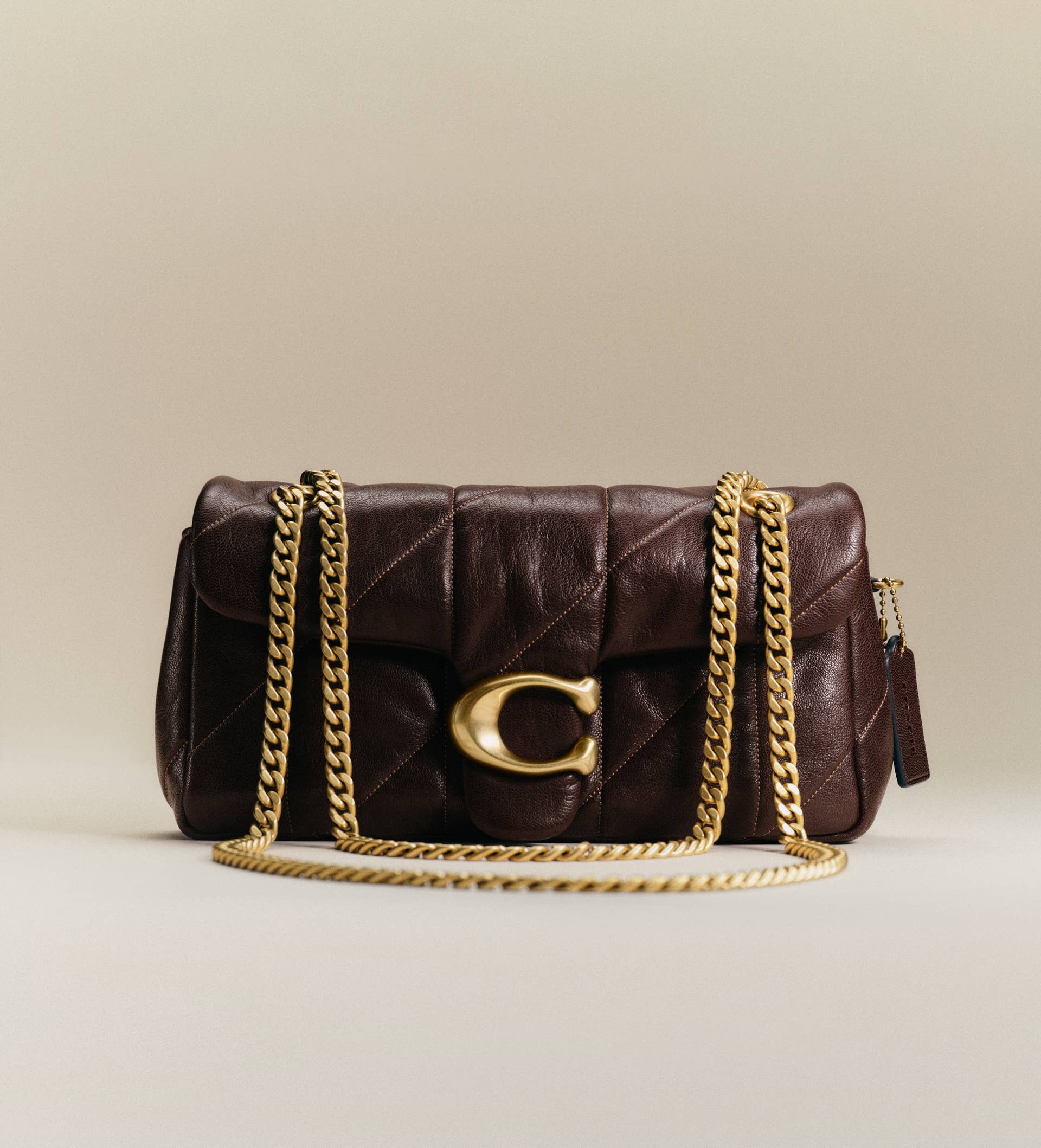
Coach's Tabby and Brooklyn bags both command serious shelf space in the contemporary handbag market, yet they serve distinctly different lifestyles and aesthetic preferences.
The Tabby, Coach's newer silhouette, champions structured elegance with its architectural frame and sharp corners. The bag's design philosophy leans heavily into minimalism and sophistication. Its compact proportions make it ideal for professionals navigating urban environments or those seeking a polished evening option. The Tabby's hardware detailing and clean lines appeal to consumers drawn to contemporary luxury positioning.
The Brooklyn, conversely, embodies relaxed functionality. Coach designed this style for everyday versatility, with a roomier interior and softer construction that accommodates daily essentials without sacrificing style. The Brooklyn's approachable silhouette has resonated with younger demographics and those prioritizing practicality over formal presentation.
Coach's decision to maintain both styles in active rotation reflects the brand's evolving retail strategy. The house recognizes that contemporary consumers demand choice within a price-accessible luxury tier. Rather than forcing brand loyalty around a single silhouette, Coach caters to both the structured minimalist and the functional-first shopper.
From a trend perspective, both bags signal Coach's successful navigation away from its heritage logo-heavy aesthetic toward design-forward contemporary fashion. Each style performs distinct market functions. The Tabby attracts consumers trading up from fast fashion to accessible luxury, drawn by its polished presentation. The Brooklyn secures market share among repeat Coach buyers and those seeking dependable daily rotation pieces.
Your choice depends entirely on lifestyle. Professionals with structured wardrobes gravitate naturally toward the Tabby's architectural appeal and evening versatility. Those juggling work-to-weekend demands benefit from the Brooklyn's accommodating design and understated charm. Coach's two-bag approach ultimately strengthens brand positioning by refusing to alienate either segment of its