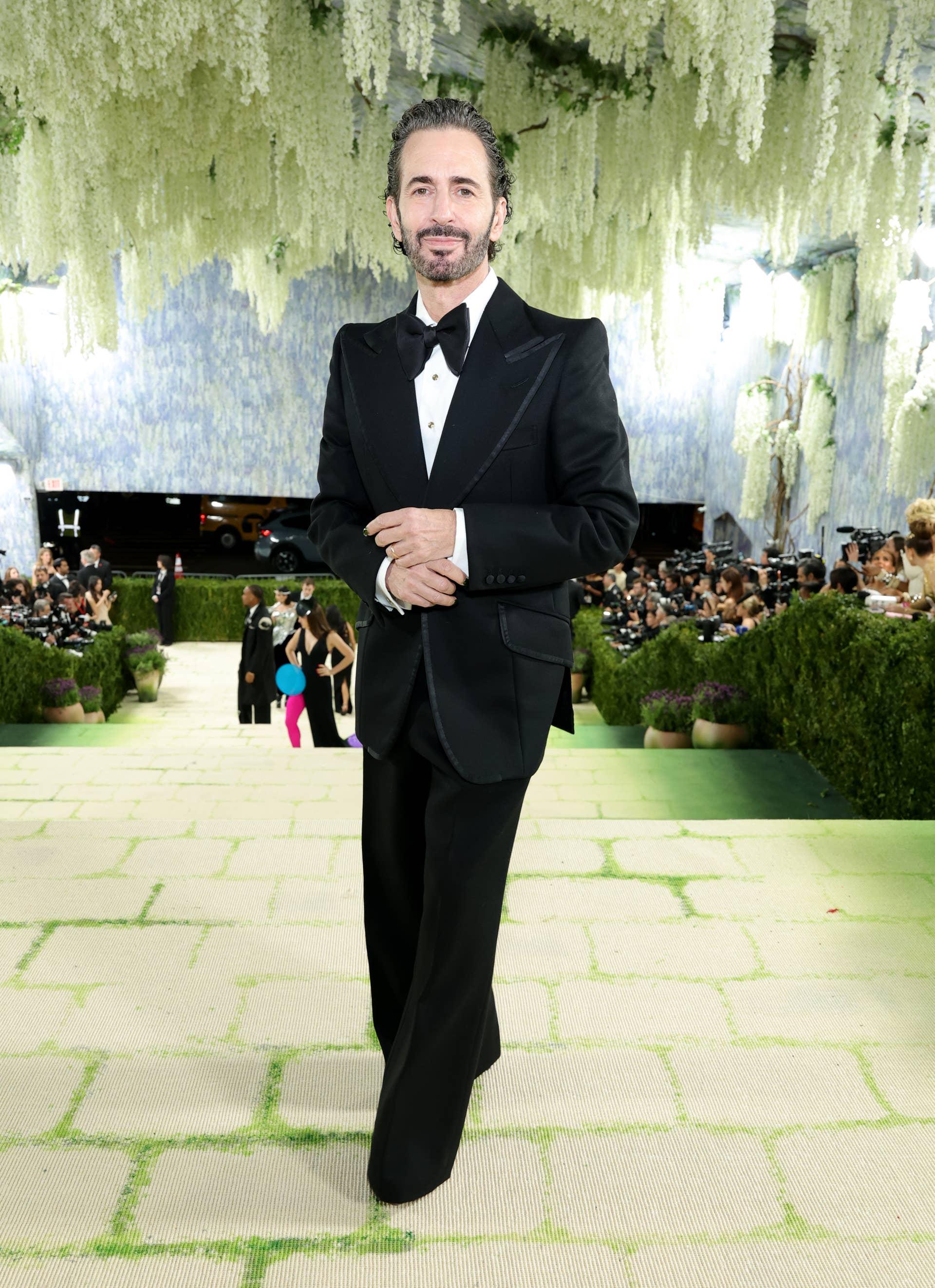
LVMH has divested Marc Jacobs, transferring ownership to WHP Global and G-III Apparel Group in a significant reshuffling of the luxury conglomerate's portfolio. The sale reflects the evolving dynamics within high fashion, where established houses seek new corporate homes to navigate shifting consumer demands and market pressures.
Marc Jacobs, the storied American brand built on bold aesthetics and accessible luxury, spent years under LVMH ownership. The house became known for its eclectic collections, from playful ready-to-wear to leather goods that competed with established luxury players. Yet the sale signals LVMH's strategic pivot, prioritizing its core luxury portfolio while offloading secondary brands that require distinct operational approaches.
WHP Global, a holding company with experience managing heritage brands, partners with G-III, a major manufacturer and distributor known for scaling fashion businesses across multiple channels. This pairing suggests an emphasis on growth through retail expansion and wholesale optimization rather than the ultra-luxury positioning LVMH typically pursues.
The move positions Marc Jacobs differently within the market. Under the new ownership structure, the brand gains agility in decision-making and can pursue strategies less constrained by LVMH's luxury infrastructure. G-III's manufacturing expertise and WHP's brand management experience offer operational leverage that could expand Marc Jacobs' presence in sportswear, accessories, and direct-to-consumer channels.
For the broader industry, this transaction highlights a pattern. LVMH, despite its dominance, continues trimming brands that don't align with its ultra-premium tier. Designers like Marc Jacobs, while culturally significant and commercially viable, operate in a mid-luxury space that demands different expertise than houses like Louis Vuitton or Givenchy.
The sale also reflects confidence in the American fashion landscape. Marc Jacobs