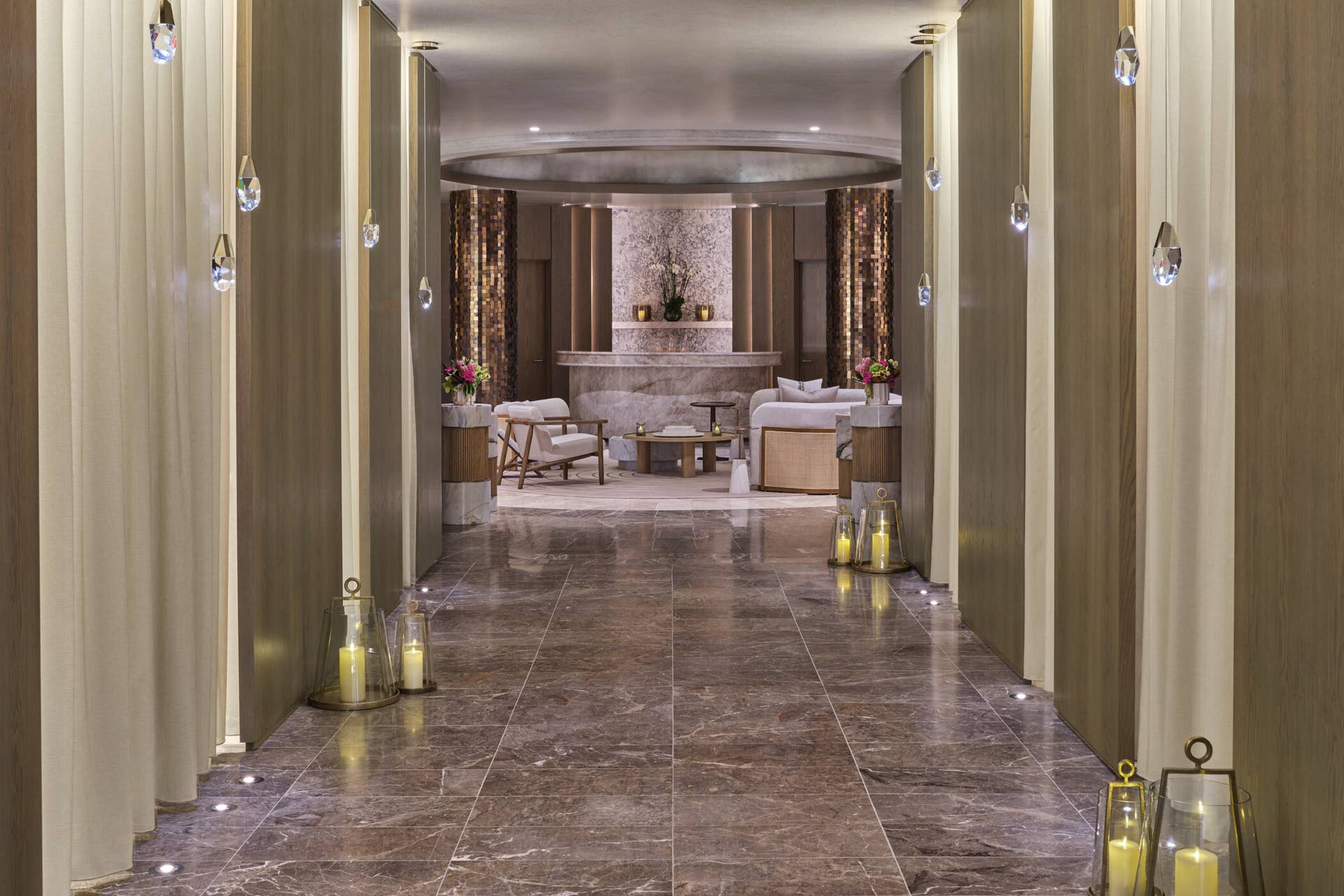
The St. Regis Longboat Key unveils a 20,000-square-foot wellness facility that reframes luxury hospitality around longevity and biological optimization. The spa moves beyond traditional pampering to embed science-backed interventions into its design and programming.
The facility integrates a sauna and snow shower, temperature contrast therapies backed by research on cardiovascular health and inflammation reduction. These installations signal a broader shift in how high-end resorts architect wellness spaces. Rather than positioning spas as escape pods, the St. Regis positions this facility as a functional biohacking center for guests seeking measurable health outcomes.
The scale matters. Twenty thousand square feet dedicates serious square footage to what luxury brands now frame as preventive medicine. This reflects evolving guest expectations among affluent travelers. The wellness-travel market has matured beyond day spas and massage menus. Guests now demand facilities that address aging at a cellular level, recovery protocols aligned with performance science, and treatments grounded in longevity research.
The snow shower signals the "contrast therapy" trend gaining traction in luxury wellness. Cold plunges and thermal alternation tap into Scandinavian spa traditions while leaning into biohacking culture popularized by figures like David Goggins and Wim Hof. The sauna operates in tandem, creating the push-pull of heat and cold that wellness practitioners credit with improved circulation, stress resilience, and metabolic function.
This approach aligns with how luxury brands now market wellness. Rather than selling relaxation, they sell biological enhancement. Brands like Six Senses, Aman, and One&Only have all expanded their longevity-focused offerings. The St. Regis Longboat Key joins a competitive class of ultra-luxury resorts translating wellness science into architectural and experiential form.
The facility's emphasis on lon