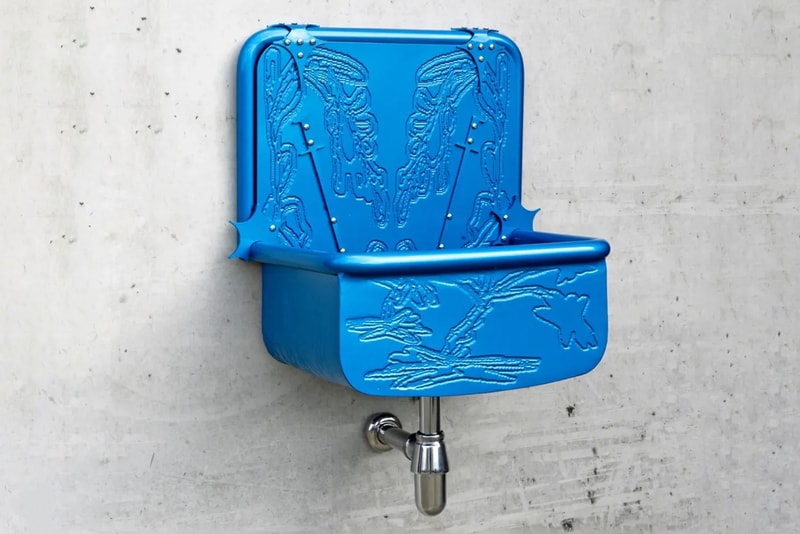
Milan Design Week continues to serve as a breeding ground for emerging independent designers, even as the event's scale and commercialization expand. After sifting through the city's offerings beyond the headline-grabbing experiential installations, Hypebeast identified 20 independent designers worth tracking.
The curation reflects a broader industry shift. Major fashion capitals now operate on two speeds: the corporate spectacle dominating mainstream coverage, and the grassroots creative ecosystem operating in parallel. Independent designers at Milan Design Week occupy galleries, smaller venues, and pop-up spaces throughout the city, offering an alternative to the oversaturated "experiential" marketing approach that defines much of contemporary fashion weeks.
This dichotomy matters. As luxury conglomerates and established brands commandeer attention through elaborate installations and celebrity-studded presentations, independent designers gain visibility by working outside those structures. They showcase technical craft, unconventional materials, and design philosophies that don't serve commercial timelines or brand visibility hierarchies.
Milan's position as a design capital extends beyond fashion into furniture, ceramics, and product design, creating a unique ecosystem where designers cross disciplines. Independent practitioners leverage this intersection, often producing work that resists easy categorization. The city's design infrastructure, built around Fuorisalone (the parallel programming beyond the official Salone del Mobile), enables these creators to reach collectors, editors, and industry professionals without massive production budgets.
The recovery period after Design Week allows for genuine assessment of emerging talent. Rather than immediate coverage during the event's chaos, thoughtful retrospectives identify designers with substantive practice and longevity potential. This approach contrasts sharply with the hype cycle that dominates mainstream fashion coverage.
Milan Design Week's dual nature reflects the broader fashion industry's tension between scale and authenticity. Independent designers represent the latter, building audiences through quality and vision rather than marketing spend. Their presence justifies the week's