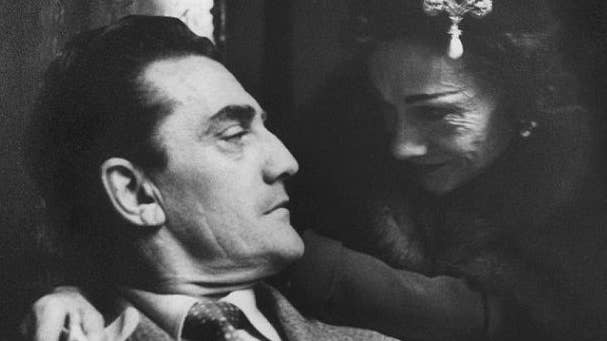
Chanel confirms its next Métiers d'Art presentation will take place in Rome, cementing the house's commitment to celebrating European craftsmanship beyond Paris. The luxury conglomerate rotates these shows across culturally significant cities, and Rome's selection underscores both the city's artisanal heritage and Chanel's strategy to strengthen European ties while honoring the studios and ateliers that power its collections.
In personnel moves, Canali appointed a new creative director to steer the Italian menswear brand forward. The appointment signals Canali's push to refresh its design voice while maintaining the tailoring rigor the heritage house built over decades. Details on the incoming creative leader remain sparse, but the shift typically indicates a brand ready to amplify its presence beyond traditional tailoring codes.
Meanwhile, Zara faces trademark scrutiny from Jo Malone. The fast-fashion giant denies allegations that it infringed on Jo Malone's intellectual property. The dispute centers on fragrance branding, a category where luxury houses fiercely protect their identities. Jo Malone built its business on distinctive scent naming and visual identity, and any perceived brand erosion triggers swift legal response. Zara's denial suggests the company believes its offerings operate in distinct enough territory, though such disputes often resolve through negotiation rather than court battles.
These three developments reflect broader industry currents. Chanel's Rome show demonstrates how heritage houses weaponize geography and culture to elevate brand narratives. Canali's creative hiring reflects Italian menswear's continued evolution beyond conservative tailoring into more directional, youth-facing design. Zara's trademark clash underscores retail's relentless expansion into fragrance and beauty categories, where luxury players maintain firmer competitive moats.
The week crystallizes fashion's geographic redistribution, generational leadership changes, and legal friction between mass