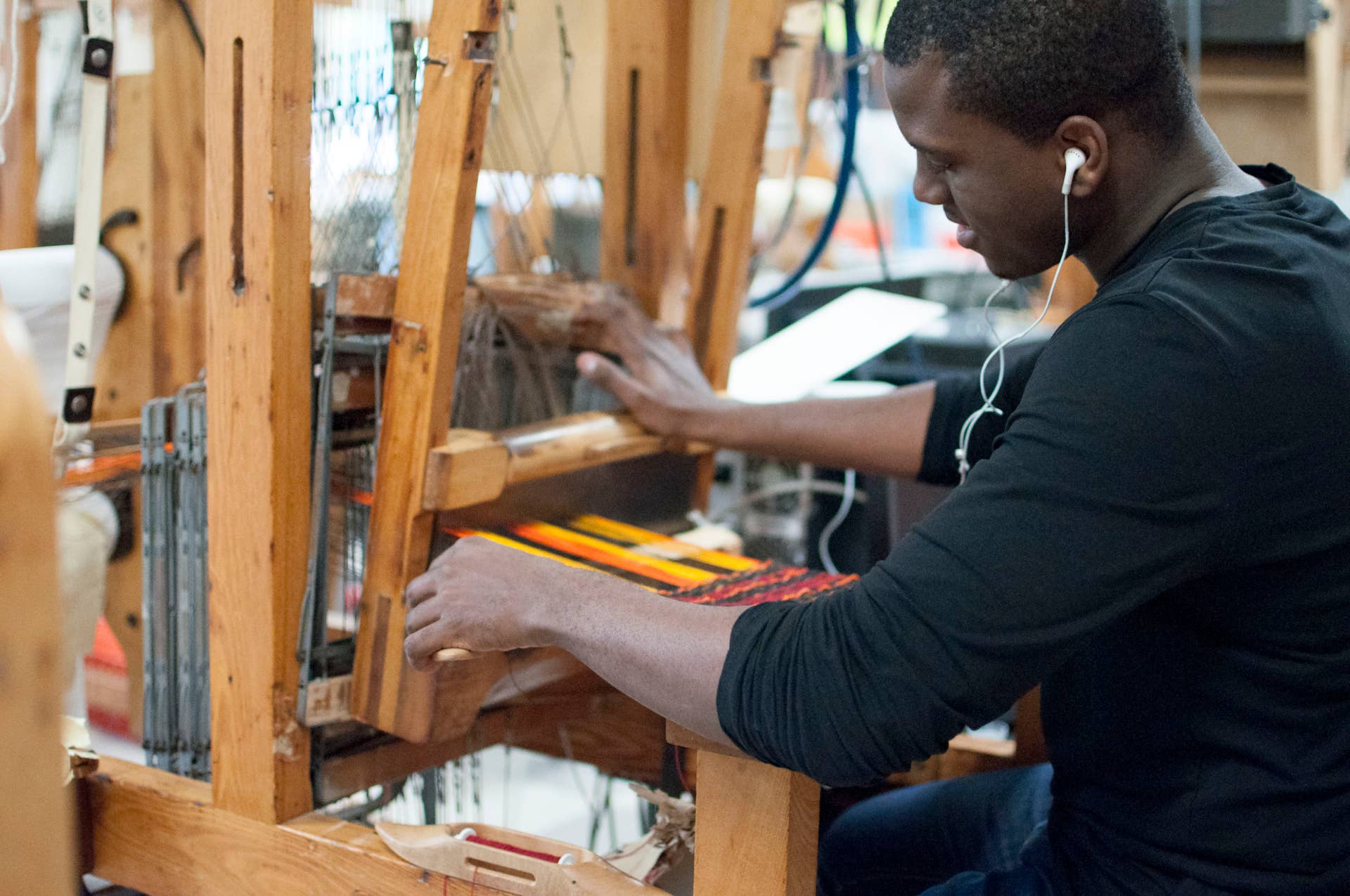
Thomas Jefferson University launched a College of Fashion & Textiles, a significant institutional move that positions the Philadelphia-based school as a player in fashion education alongside established programs at FIT, Parsons, and SCAD.
The new college consolidates fashion design, textile studies, and related disciplines under one academic umbrella. This structural shift signals the university's commitment to expanding its creative footprint and offering students a more cohesive pathway through fashion and textile specializations.
The timing reflects broader industry demands. Fashion schools increasingly respond to employer needs for graduates who understand both design aesthetics and the technical, sustainability-focused realities of textile production. By grouping these disciplines together, Jefferson creates opportunities for cross-disciplinary collaboration that mirrors how contemporary brands operate.
The college arrives as fashion education grapples with evolving priorities. Sustainability, digital design tools, and supply chain transparency have become baseline expectations for graduates entering the field. Schools that integrate these elements early attract serious students and industry partnerships.
Jefferson's move also addresses geographic opportunity. Philadelphia has a growing creative sector, with established textile manufacturers and emerging designer labels calling the region home. A dedicated fashion college strengthens the local talent pipeline and positions the university as a resource for regional industry growth.
The announcement doesn't specify the college's leadership structure or whether it will launch new programs immediately. However, consolidating existing fashion and textile coursework under unified governance typically enables faster curriculum innovation and stronger faculty collaboration.
This development matters for prospective students weighing fashion school options. Jefferson now competes directly with dedicated fashion institutions while maintaining the resources of a larger university. The structure potentially offers advantages in business coursework, technology access, and interdisciplinary connections that standalone fashion schools sometimes struggle to provide.
The industry watches institutional moves like this closely. Fashion schools train the creative leaders, designers, and technical specialists who shape brand futures. When an established university commits resources to a dedicated fashion college, it signals conviction