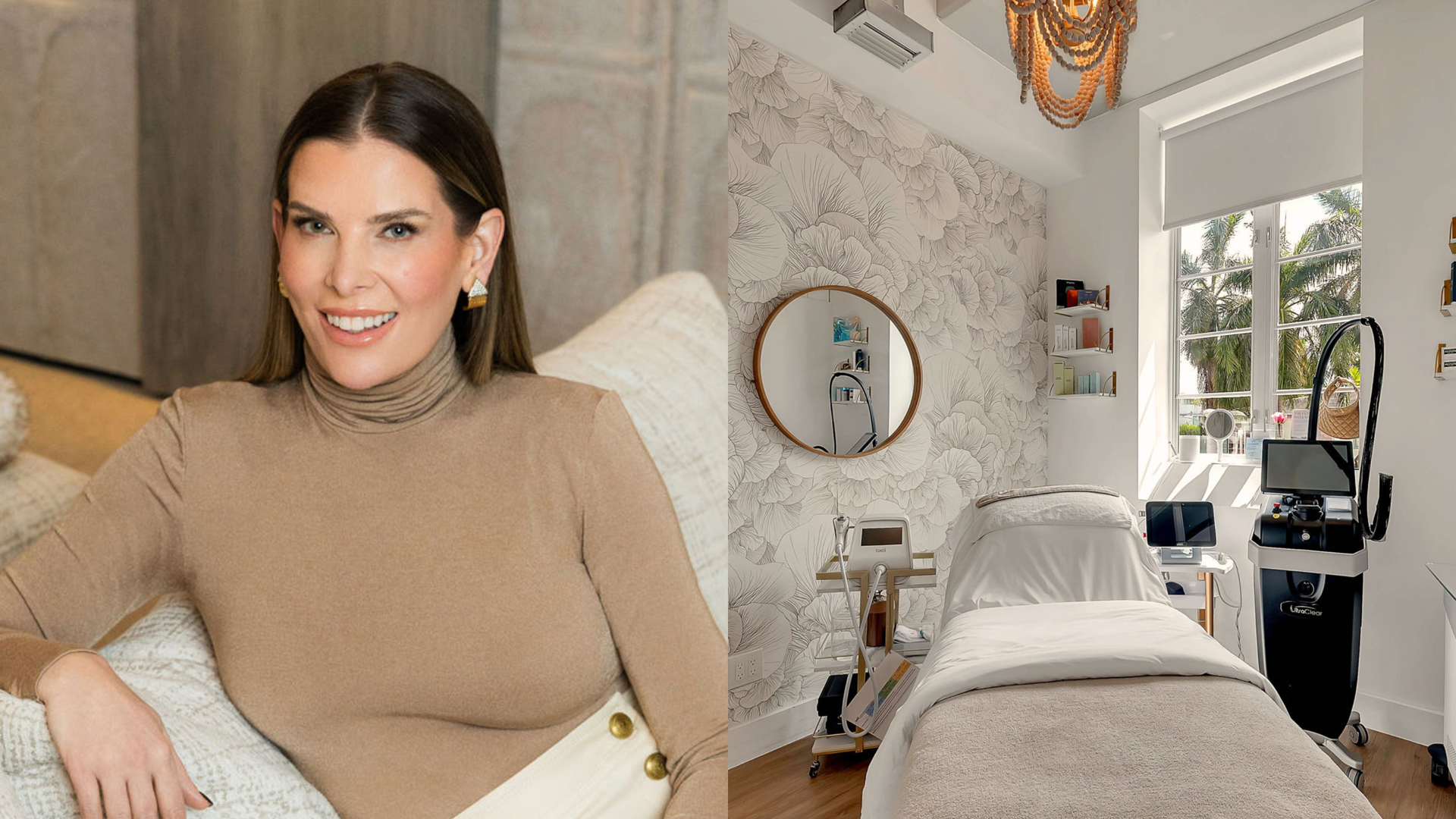
Amy Peterson, Miami's go-to aesthetician and self-proclaimed "skin savant," believes consumers underestimate the power of professional treatments in their beauty routines. In Fashionista's "Face It" video series, Peterson advocates for more frequent visits to aestheticians and dermatologists rather than relying solely on at-home skincare.
Peterson's position reflects a growing divide in the beauty industry. While the at-home skincare market exploded during the pandemic, professionals increasingly argue that certain results demand in-clinic expertise. Treatments like chemical peels, microneedling, laser therapies, and professional-grade facials deliver results that consumer products cannot replicate, Peterson contends.
The aesthetician's take arrives as the professional skincare market rebounds. Clinics and med-spas report strong demand post-pandemic, with clients willing to invest in treatments they view as non-negotiable maintenance rather than luxury indulgences. Peterson frames regular treatments as foundational to skin health, similar to dental cleanings or haircuts.
This philosophy challenges the beauty industry's democratization narrative. Brands have heavily marketed expensive at-home devices and serums as alternatives to professional care, particularly to younger consumers and those with budget constraints. Peterson's stance suggests that narrative, while accessible, may fall short of delivering transformative results.
The "skin savant" title Peterson embraces signals a shift in how aestheticians position themselves. Rather than passive service providers, they market themselves as experts capable of diagnosing and treating skin at levels beyond consumer reach. This elevates the professional category while positioning at-home routines as supplementary rather than sufficient.
Peterson's perspective joins broader industry conversations about skincare literacy and investment. As consumers navigate overwhelming product choices and influencer recommendations, professionals offer clarity through clinical evidence and customized protocols. Her advocacy for increased treatment frequency reflects confidence that clients who experience professional results become repeat customers who