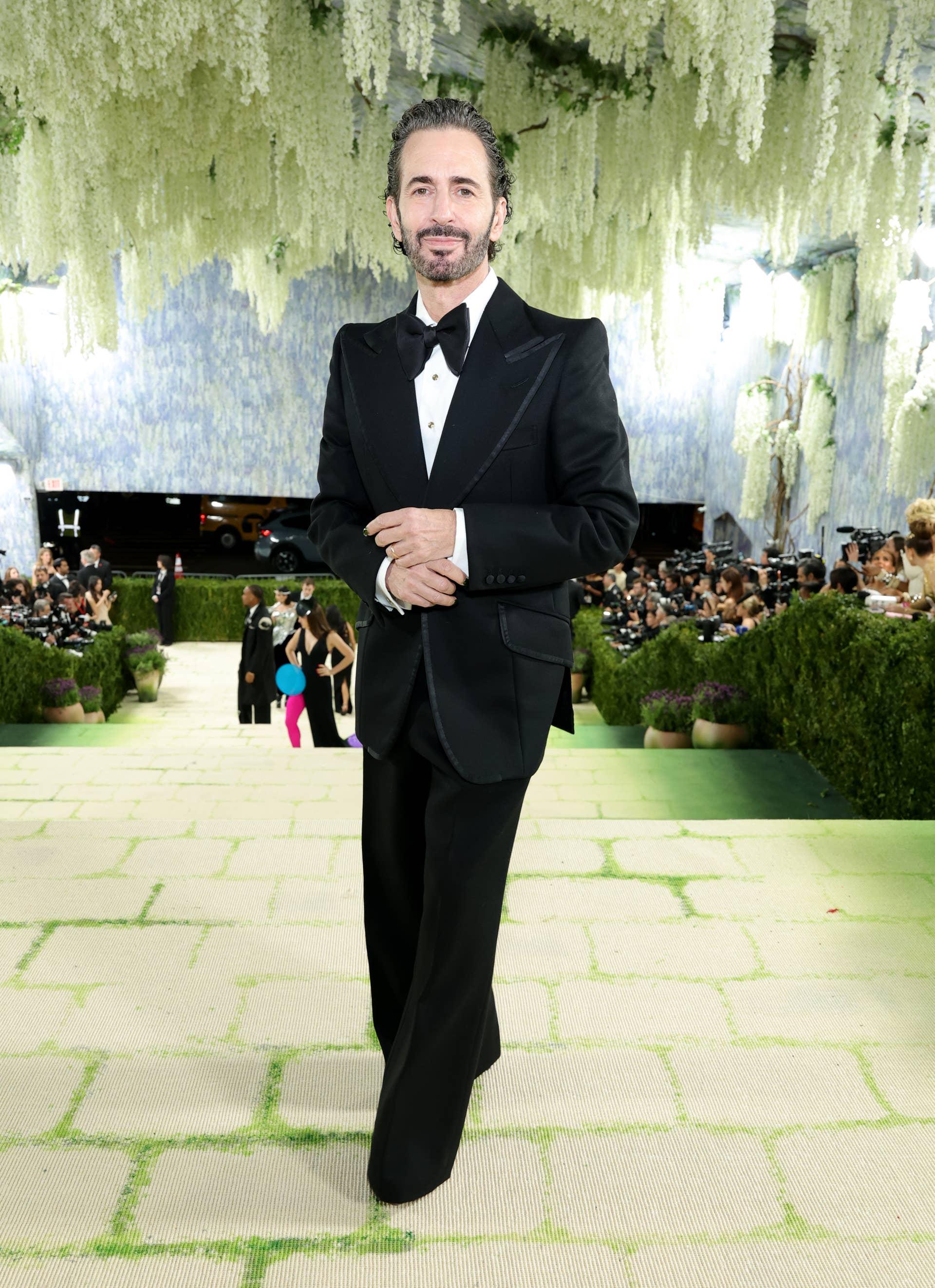
Marc Jacobs exits the LVMH portfolio after nearly two decades under the conglomerate's ownership. WHP Global and G-III Apparel Group have acquired the storied American brand in a deal that signals shifting priorities within the luxury sector.
The transaction marks a significant recalibration for LVMH, which acquired Marc Jacobs in 2001 and built it into a global luxury powerhouse. The French mega-house steered the brand through the Marc by Marc Jacobs diffusion line and established it as a cornerstone of contemporary American fashion. Under LVMH's stewardship, the brand expanded aggressively into accessories, fragrances, and beauty.
WHP Global, a holding company with stakes in Balenciaga, Alexander Wang, and Balmain, brings acquisition and brand development expertise. G-III, a manufacturing and licensing giant behind Calvin Klein, Tommy Hilfiger, and Nautica, provides distribution and production infrastructure. Together, they position Marc Jacobs for a new operational model that diverges sharply from LVMH's luxury-focused approach.
The sale reflects LVMH's strategic pivot toward consolidating its most profitable brands while shedding slower-growth properties. Marc Jacobs has faced headwinds in recent years as the brand navigated creative transitions and shifting consumer preferences for heritage luxury. Departing from LVMH allows the brand to operate with greater agility and potentially court more experimental design directions.
For the market, this signals that elite American fashion houses face new ownership structures beyond the traditional conglomerate model. WHP Global's approach with other brands emphasizes creative autonomy paired with global distribution networks. G-III's involvement ensures manufacturing and wholesale reach remain intact.
The deal underscores how the luxury landscape continues fragmenting. Independent ownership structures, particularly those backed by private equity, now