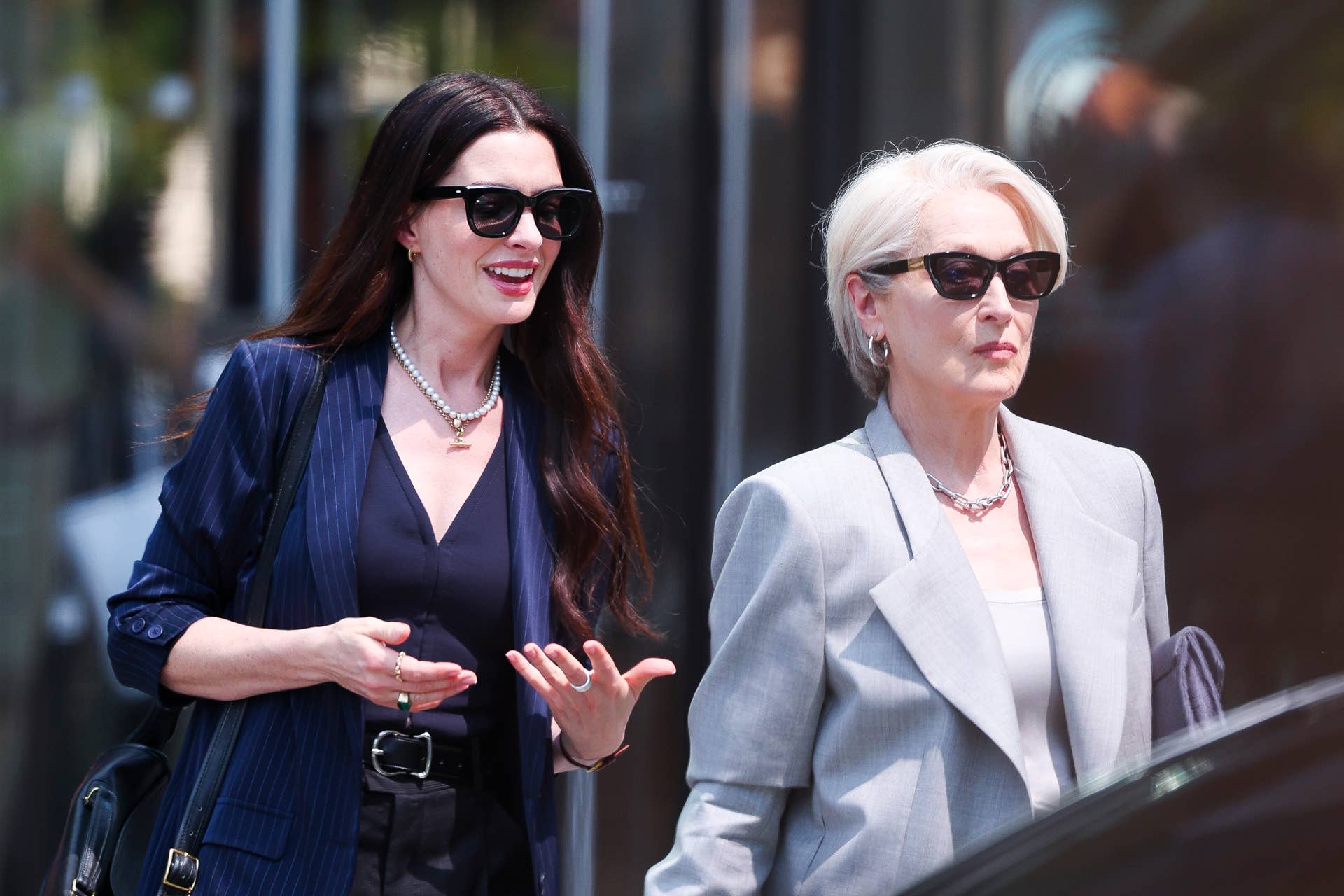
The 2006 film "The Devil Wears Prada" codified a fantasy that shaped an entire generation of fashion professionals. Meryl Streep's Miranda Priestly and Anne Hathaway's Andy Sachs worked in a gleaming, power-driven Condé Nast universe where runway shows commanded cultural reverence and magazine editors wielded undeniable influence. The sequel arrives in a media landscape transformed by Instagram, TikTok, and algorithmic feeds that have fundamentally reordered fashion's hierarchy.
Fashion journalists who cut their teeth inspired by the original film now confront a sequel that reflects their industry's diminished institutional authority. The magazine ecosystem that once gatekept taste has fragmented. Editors who expected corner offices and cover stories that moved markets instead navigate budget cuts, consolidations, and the rise of creator-influencers who bypass traditional media entirely.
The new film reportedly grapples with this shift directly. Rather than celebrating editorial supremacy, it examines a profession in existential transition. The glamour persists in couture shows and front-row seats, but the power has dispersed. A single TikToker can launch a trend faster than any October issue. Gen Z fashion journalists navigate a precarious freelance landscape where Substack newsletters compete with legacy mastheads for attention.
For veterans of print fashion, the sequel functions as either reckoning or validation. Some see it as honest reckoning with an industry they helped build but no longer recognize. Others view it as belated acknowledgment of shifts they've navigated for years. The aspirational narrative of "The Devil Wears Prada" required a centralized authority figure and a clear hierarchy of prestige. That structure no longer exists.
The film's timing proves telling. As fashion media consolidates further and editorial positions become precarious, nostalgia for the Miranda