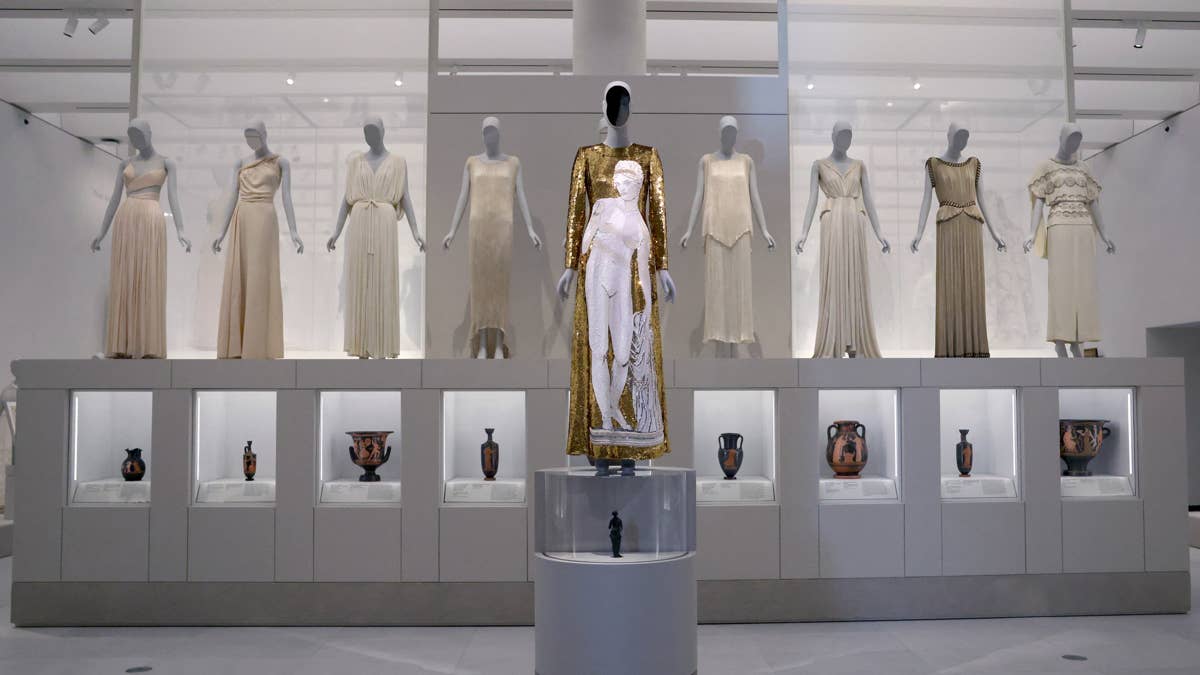
The Metropolitan Museum of Art's Costume Institute challenges conventional fashion presentation with its latest exhibition, centering diverse bodies across history, art, and identity. Rather than displaying garments on standardized mannequins, the show stages clothing on varied silhouettes to reflect how different people actually inhabit fashion.
The exhibition reframes costume as a dialogue between body and garment, rejecting the industry's decades-long reliance on idealized proportions. By showcasing pieces on multiple body types, the Met acknowledges that fashion exists within lived experience, not abstract perfection. This curatorial approach mirrors broader industry reckoning with representation and accessibility that has gained momentum over the past five years.
The exhibit draws connections between costume and fine art, examining how dress functions as a primary vehicle for expressing identity across centuries. Works span periods and cultures, demonstrating that the relationship between body and cloth transcends contemporary fashion discourse. Historical garments sit alongside modern pieces, illustrating continuity in how humans use clothing for self-presentation and social navigation.
The Costume Institute positions this show within larger conversations about who gets to be seen in fashion spaces. By refusing the single-body approach, curators make visible what has always existed but remained unseen in traditional museum settings. The exhibition validates that fashion operates across different bodies, ages, and presentations, a radical departure from runway standards that have dominated visual culture.
This exhibition arrives as fashion houses increasingly grapple with inclusivity at operational levels. Brands like Palomo Studio and others challenge sizing conventions while luxury houses quietly expand their ranges. The Met's framing suggests that institutions themselves must reshape how they present fashion history and contemporary practice.
The show underscores that costume remains one of humanity's most direct tools for identity formation and social communication. By displaying garments on authentic bodies rather than generic forms, the Met invites visitors to see themselves reflected in fashion history and understand clothing as something fundamentally democratic, regardless