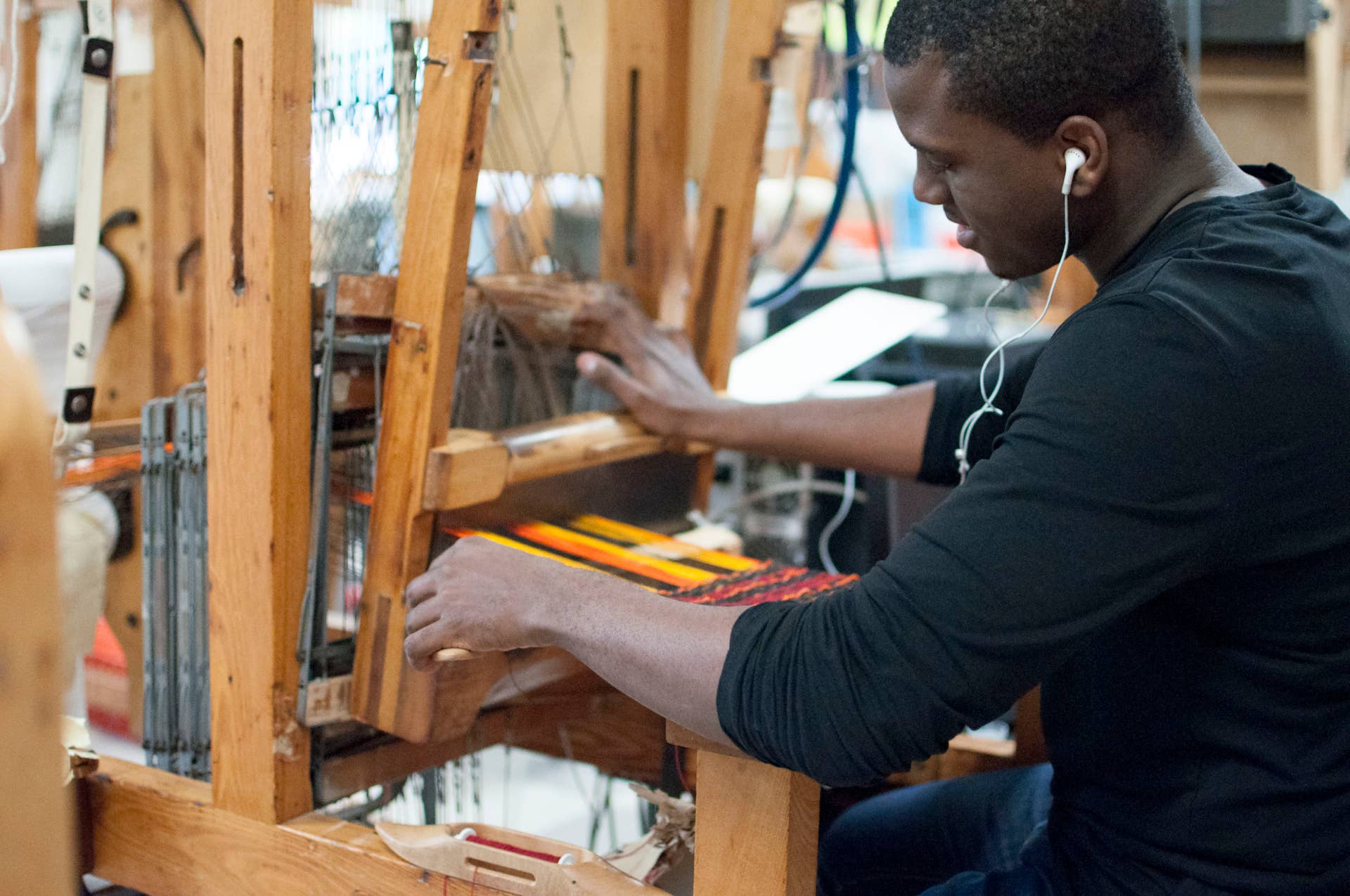
Thomas Jefferson University launches a dedicated College of Fashion & Textiles, signaling institutional commitment to formalized fashion education at the university level. The new college consolidates existing fashion and textile programs under one academic umbrella, positioning the Philadelphia-based institution as a serious contender in fashion pedagogy.
The move reflects broader industry recognition that fashion demands rigorous, specialized training beyond traditional art school frameworks. Universities increasingly recognize fashion's economic weight and cultural influence, justifying standalone colleges devoted entirely to the discipline. Jefferson's decision places it alongside established fashion academies like Fashion Institute of Technology and Parsons School of Design, both long-standing powerhouses in training designers, merchandisers, and creative strategists.
A dedicated college allows Jefferson to expand curriculum offerings, attract higher-caliber faculty, and secure additional funding specifically for fashion programs. Students gain access to integrated resources spanning design studios, textile labs, and industry partnerships. The structure typically enables cross-disciplinary collaboration with business, marketing, and technology schools within the university system.
This institutional shift matters for the industry pipeline. Fashion increasingly demands professionals who understand sustainability practices, digital design tools, supply chain management, and global production systems. Universities with dedicated fashion colleges can develop comprehensive curricula addressing these complexities rather than treating fashion as a peripheral creative pursuit.
The timing aligns with fashion's evolution toward more professionalized operations. Brands now recruit directly from universities with strong reputations and strong graduate networks. A branded college amplifies recruitment opportunities and elevates graduate employment prospects in competitive luxury and contemporary fashion markets.
Jefferson's move also reflects Philadelphia's emerging role as a creative hub beyond traditional New York dominance. The city hosts growing design studios, emerging brands, and textile manufacturers. A major university formalizing fashion education strengthens the regional infrastructure and positions Philadelphia as an alternative talent pipeline for domestic and international fashion houses seeking fresh creative voices outside the mainstream New York and Los Angeles circuits.