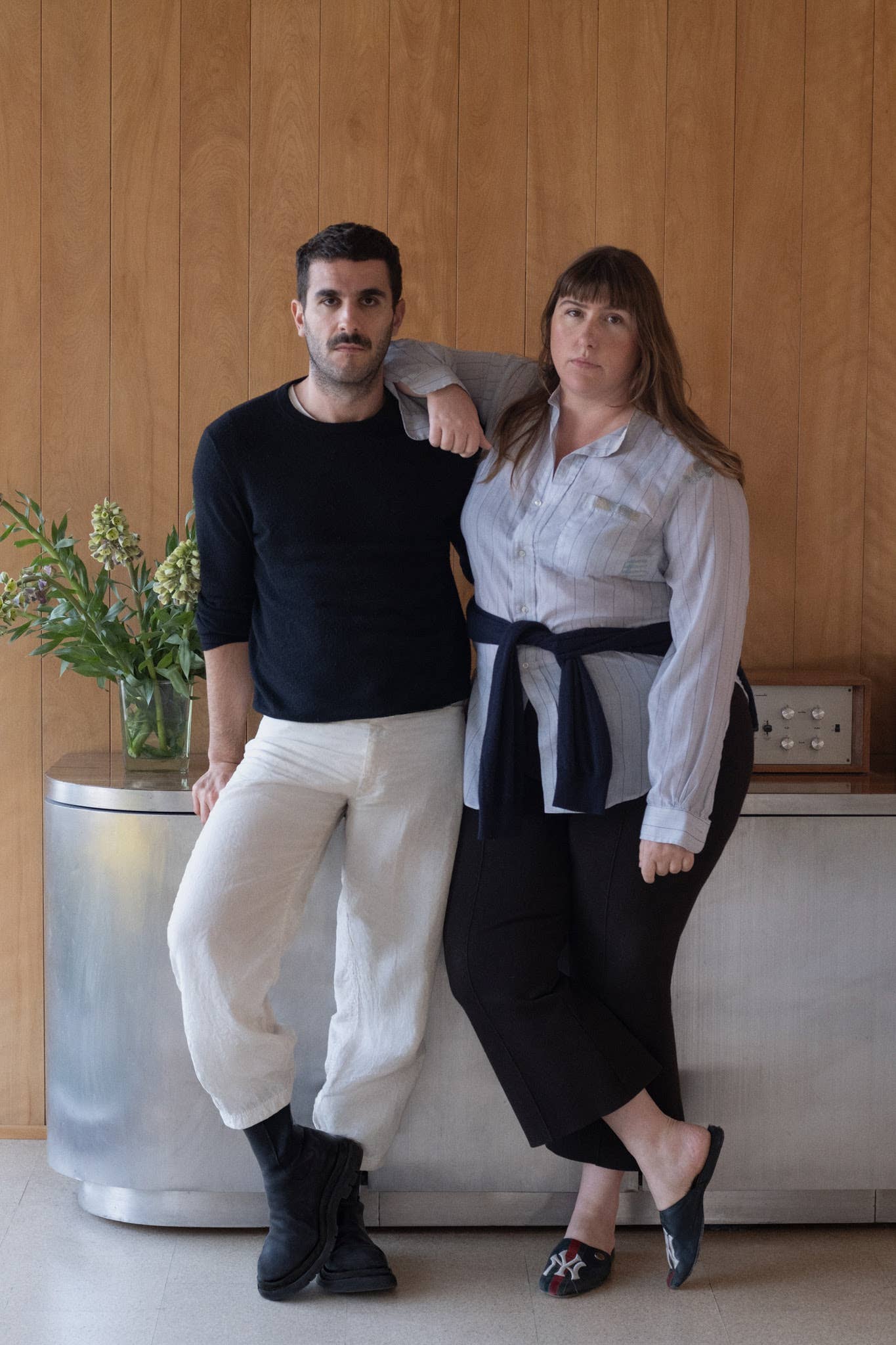
Mango signals a strategic pivot toward contemporary design with its collaboration announcement with Eckhaus Latta, the New York-based duo known for deconstructed silhouettes and gender-fluid aesthetics. The partnership represents the Spanish fast-fashion giant's commitment to elevating its design credibility beyond accessible basics into territory occupied by progressive, boundary-pushing creators. Eckhaus Latta brings cult status and fashion insider appeal, a demographic Mango has historically struggled to capture.
Meanwhile, the Prada Group reported tepid first-quarter growth, a warning sign for the luxury sector. The conglomerate, which operates Prada, Miu Miu, Church's, and Car Shoe, demonstrated the strain facing premium fashion in an uncertain macroeconomic climate. Despite luxury's reputation for resilience, Prada's modest performance reflects cautious consumer spending and inventory corrections across the industry. This slowdown contradicts the narrative of unflinching luxury demand and signals that even heritage houses face headwinds.
The timing overlaps with renewed cultural interest in fashion narratives. "The Devil Wears Prada 2" entered the conversation with fresh reviews, reminding audiences of the industry's glamorous mythology even as the business realities turn more complex. The original film cemented Prada as fashion's ultimate status symbol, but current market dynamics reveal a gap between cinematic fantasy and commercial reality.
These stories sketch a divided landscape. Accessibility-focused retailers like Mango chase prestige through designer partnerships, betting that limited collaborations drive brand elevation. Simultaneously, established luxury groups grapple with growth plateaus and the need to justify premium pricing. Eckhaus Latta's experimental approach paired with Mango's distribution muscle creates an intriguing experiment in democratizing contemporary design, while Prada Group's sluggish quarter underscores that scale