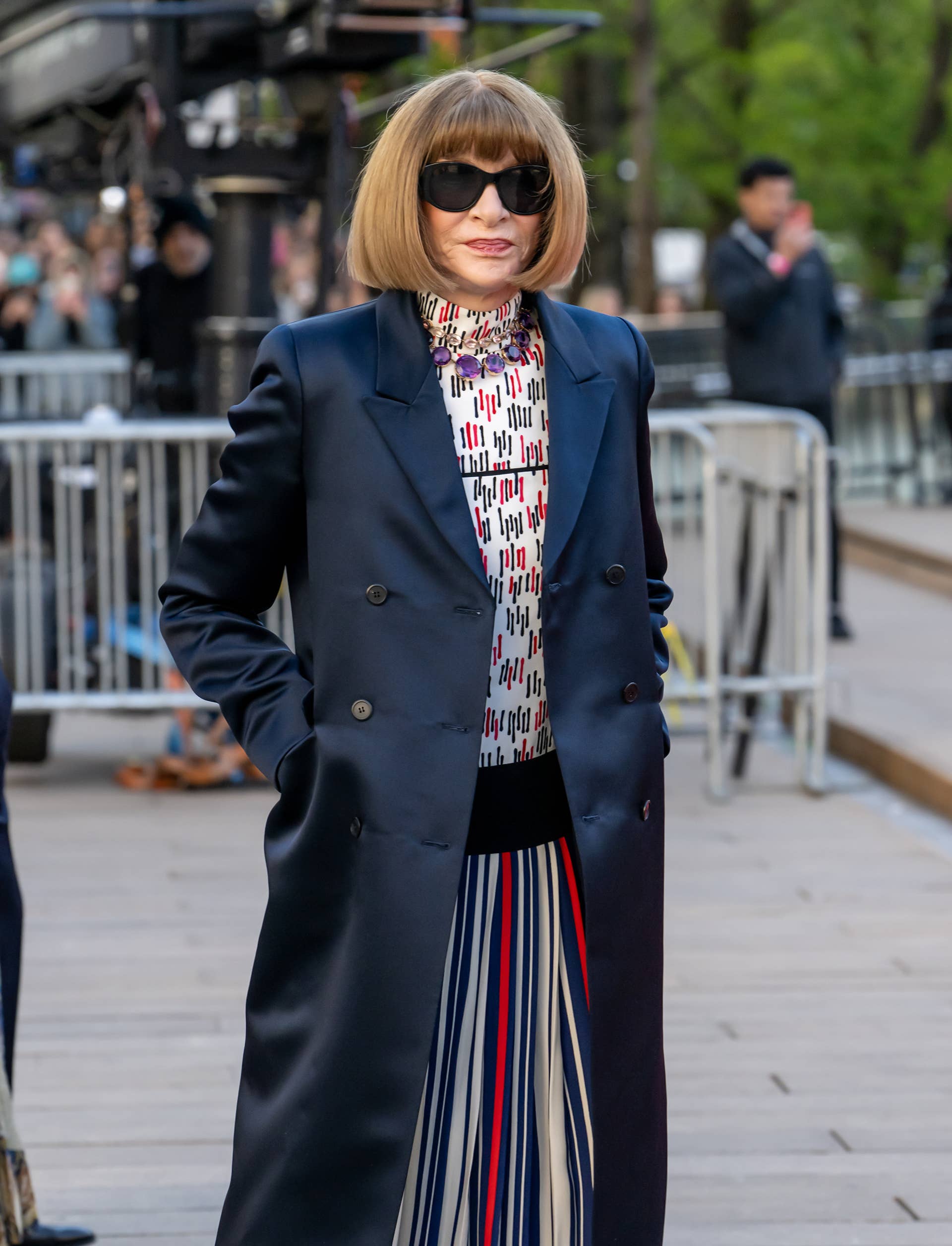
CNN's new Anna Wintour documentary arrives as the Vogue editor-in-chief enters her fifth decade steering the publication. The film explores Wintour's uncompromising editorial vision, her role in shaping global fashion culture, and the personal philosophy behind decades of industry influence. The documentary timing coincides with broader cultural interest in fashion leadership during a period of industry consolidation and rapid digital transformation.
Meanwhile, Puig, the Spanish luxury conglomerate behind brands including Dries Van Noten, Pomellato, and Dermalogica, reported first-quarter 2026 earnings that reflect ongoing momentum in both fashion and beauty divisions. The company's performance underscores the continued financial strength of diversified luxury portfolios that balance heritage fashion houses with growing beauty and accessories categories.
Separately, Gen Z fashion enthusiasts have embraced vintage and oversized timepieces, with "grandma" watches becoming the season's defining accessory trend. The movement reflects younger consumers' appetite for heritage-coded pieces, sustainability through secondhand shopping, and the broader vintage renaissance that rejects contemporary minimalist design in favor of maximalist, nostalgic aesthetics. Brands capitalizing on this shift stock vintage-inspired oversized watch faces and affordable interpretations of classic designs.
The convergence of these three developments reveals fashion's current landscape. Wintour's documented legacy underscores the editor's continued centrality to fashion discourse, even as industry power becomes increasingly distributed across retail platforms and social media. Puig's earnings reflect the luxury sector's resilience despite economic uncertainty, while Gen Z's watch trend demonstrates how younger consumers drive editorial narratives through street-level adoption rather than top-down decree.