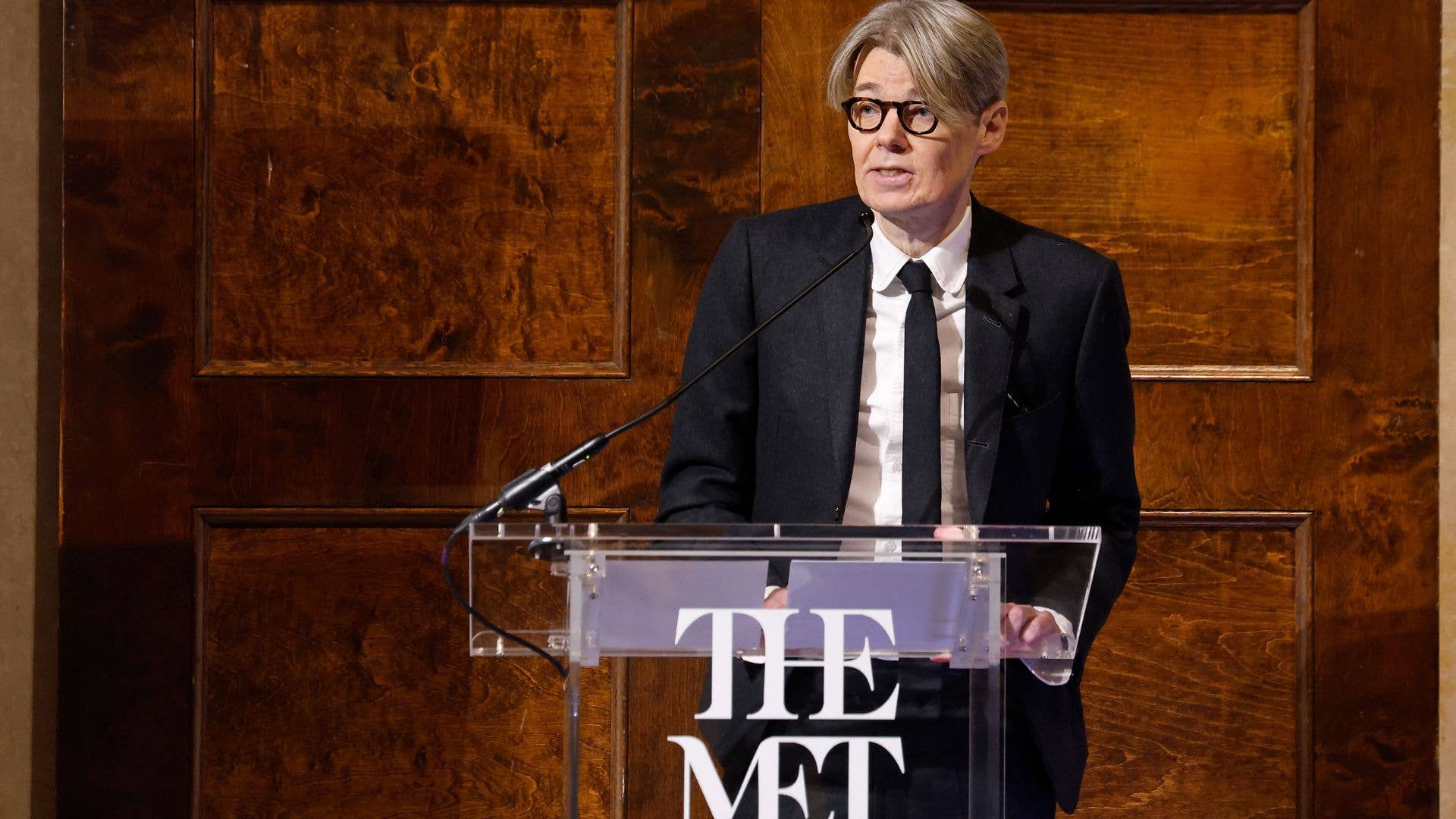
The Metropolitan Museum of Art's Costume Institute is reducing its financial dependence on the Met Gala, the annual fundraising spectacle that has bankrolled the department for decades. The shift reflects evolving institutional priorities and a recognition that tying the museum's operations too tightly to a single event creates operational fragility. The Costume Institute plans to diversify revenue streams through increased endowment funding, corporate partnerships, and expanded exhibition sponsorships.
This move comes as the Met Gala itself faces mounting scrutiny over its exclusivity and cultural relevance. The gala generated roughly 15 million dollars for the Costume Institute in recent years, but leadership acknowledges the unsustainability of this model given broader changes in luxury spending and philanthropic priorities.
Separately, "The Devil Wears Prada 2" encounters resistance in Asian markets, where boycott movements have gained traction over concerns surrounding the film's production practices and cultural representation. The sequel, anticipated to reunite Meryl Streep and Anne Hathaway, faces particular friction in South Korea and China, where organized campaigns have challenged its theatrical release.
CNN Style simultaneously launched a dedicated fashion newsletter, expanding its coverage of industry trends, designer interviews, and cultural commentary. The newsletter positions CNN as a broader player in fashion journalism beyond traditional news cycles.
These developments reflect the industry's current state of flux. The Costume Institute's financial restructuring acknowledges that museum operations cannot rely solely on celebrity spectacle. Simultaneously, the "Prada" boycott signals that audiences increasingly scrutinize production ethics and representation in prestige entertainment. The CNN newsletter launch underscores media outlets' commitment to fashion as legitimate cultural reportage rather than lifestyle fluff.
THE TAKEAWAY: Fashion institutions are recalibrating how they fund operations and gain cultural authority as audiences demand transparency and accountability across entertainment and museum sectors.
CATEGORY