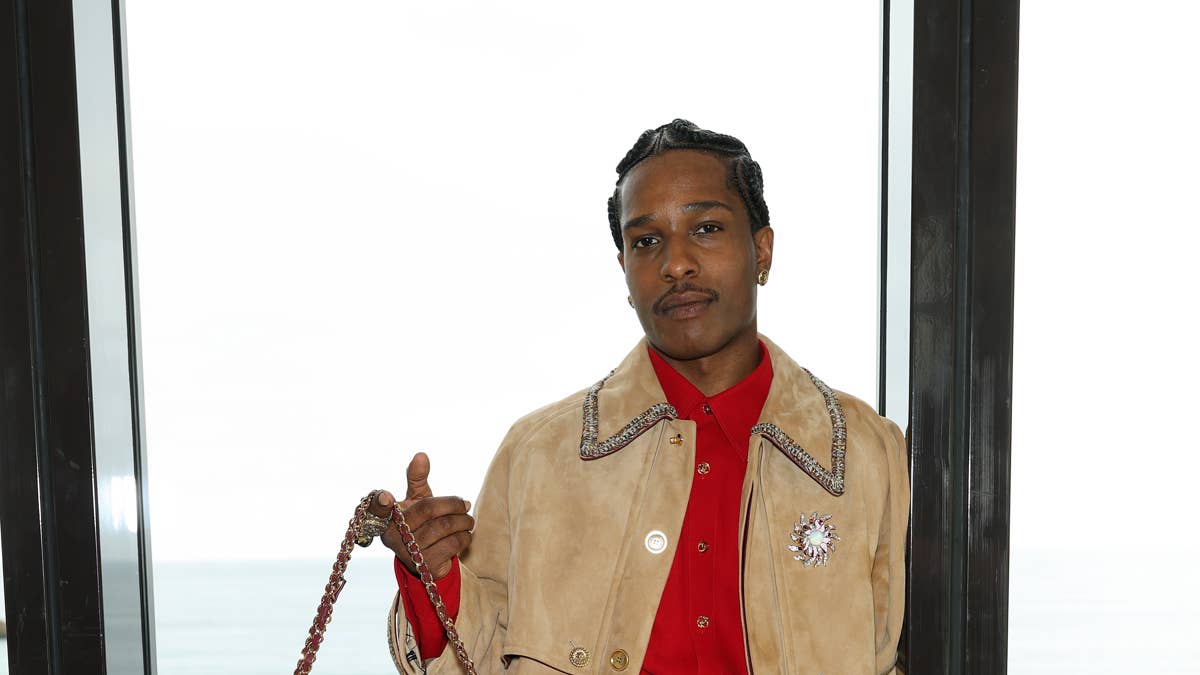
Chanel dominates the Lyst Index Q1 2026 rankings, cementing its position as the most-searched luxury house globally. The French maison outpaced competitors across categories, driven by renewed interest in its classic quilted bags and updated tweed pieces. Lyst's quarterly report tracks real-time search behavior across major e-commerce platforms, making it a bellwether for consumer demand in luxury.
Emerging brands face a scaling challenge. Growth requires capital and operational efficiency without sacrificing craftsmanship or environmental standards. The successful ones adopt digital-first strategies, invest in supply chain transparency, and build direct-to-consumer channels. Sustainability sells to Gen-Z consumers, but only when backed by verifiable practices. Brands like Pangaia and Rixo prove that transparency and ethical sourcing command premiums that offset higher production costs.
C.O. Bigelow, the Brooklyn-based apothecary and beauty brand, partners with Abbode to expand its retail footprint. The collaboration marks a shift toward curated marketplace models that bundle heritage beauty with lifestyle goods. C.O. Bigelow's botanical formulations and vintage-inspired packaging resonate with consumers seeking alternatives to mass-market beauty. Abbode's platform amplifies this reach without diluting brand identity.
These three stories reveal where fashion and beauty converge. Chanel's dominance reflects consistent design heritage and pricing power. Emerging brands must balance scale with authenticity. Established beauty labels like C.O. Bigelow leverage partnerships to penetrate new markets while protecting their positioning.
THE BOTTOM LINE: Heritage wins in luxury, but emerging brands capture growth by proving sustainable practices aren't just marketing tactics.