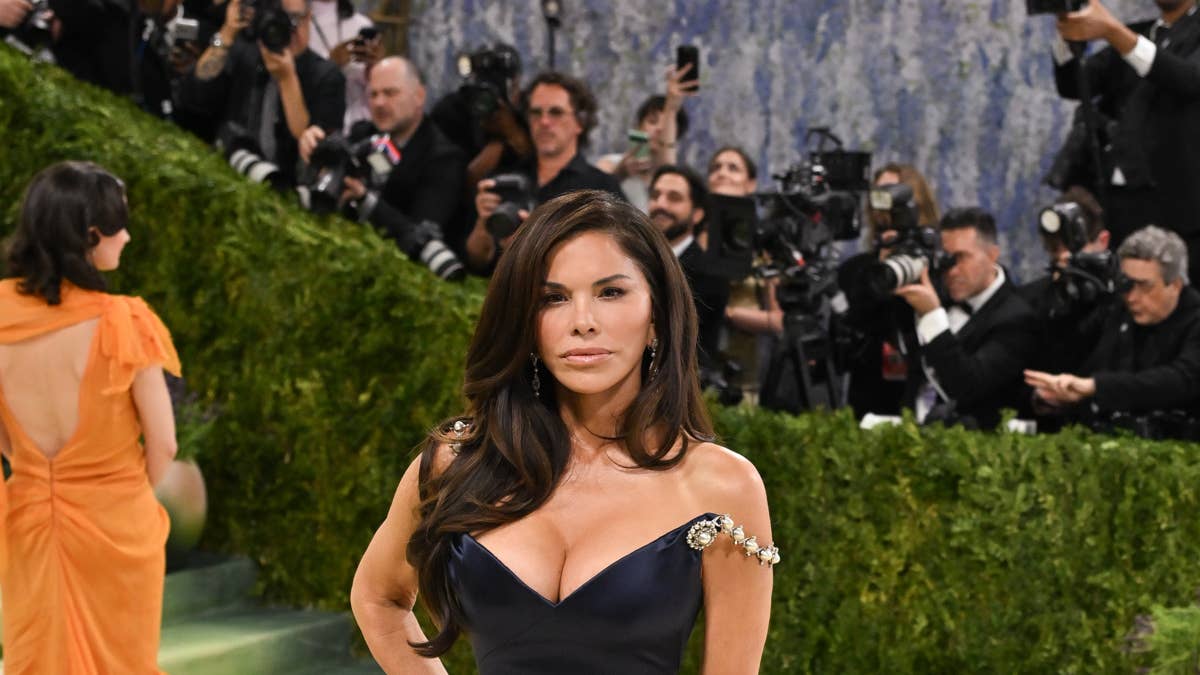
Lauren Sánchez Bezos arrived at the Met Gala in a Schiaparelli haute couture gown explicitly designed to echo John Singer Sargent's 1884 portrait of Madame X, the painting that scandalized Paris society with its provocative bare-shoulder silhouette and dangling black strap.
The billionaire philanthropist's choice borrowed the portrait's most notorious detail: that slipping shoulder strap that caused outrage in fin de siècle France. Schiaparelli constructed the look as a direct homage, translating Sargent's subversive power play into contemporary couture.
The reference falls hollow, however. Sargent's Madame X portrait succeeded precisely because it captured a woman operating outside society's rules, her exposed shoulder and tilted composure a quiet rebellion against propriety. She was an outsider challenging convention from the margins.
Sánchez Bezos, by contrast, inhabits one of the most visible centers of power globally. As a billionaire married to Jeff Bezos, she exists within the exact structures the original Madame X resisted. Wearing the reference at fashion's most exclusive event, surrounded by institutions that validate her status, neutralizes the gesture's transgressive charge.
This represents a broader pattern in contemporary fashion: wealthy patrons appropriating codes of subversion without the material conditions that made them subversive in the first place. The dress itself executed beautifully. The concept collapsed under its own contradiction.
The Met Gala frequently stages these collisions between historical reference and present wealth. Sánchez Bezos joins countless attendees who leverage art history to signal taste and cultural knowledge. But historical accuracy demands acknowledging context. Madame X's power came from her outsider status. That power transfers instantly to anyone wealthy enough to wear the reference on fashion's biggest