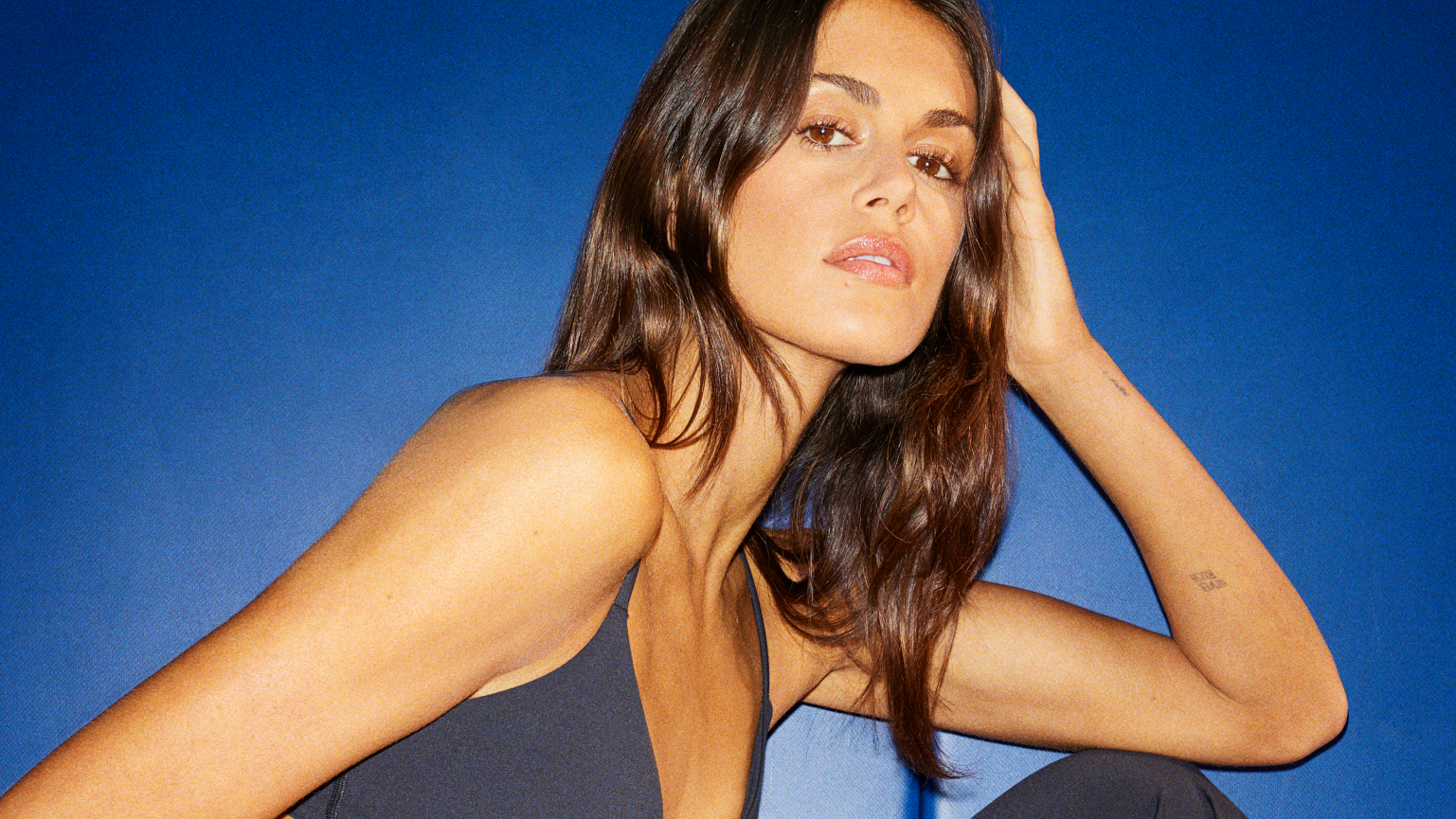
Vuori and Kaia Gerber expanded their collaborative partnership with the launch of their Spring 2026 "For Kaia" collection, introducing fresh silhouettes that build on the California-based activewear brand's signature aesthetic. The designer-brand partnership continues to deepen, with Gerber's influence shaping new pieces for the season ahead.
In parallel retail news, Warby Parker pushes beyond eyewear into new product categories, signaling the direct-to-consumer brand's strategy to become a broader lifestyle destination. The move follows similar expansion patterns seen across DTC players seeking to maximize customer lifetime value and compete with legacy retailers.
The week's drops highlight two distinct industry trends. First, designer collaborations with established brands remain a potent sales driver and cultural amplifier. Gerber's involvement with Vuori taps into her modeling credibility and social reach, extending the brand's premium positioning within the activewear space. Vuori itself has built momentum as a lifestyle staple, competing directly with players like Lululemon and Alo Yoga by blending performance and style.
Second, category expansion among DTC brands reflects shifting consumer expectations. Warby Parker proved direct-to-consumer models could disrupt legacy categories when it launched in 2010. Now the brand recognizes that eyewear alone limits growth. Expanding into adjacent categories like accessories or wellness products lets them capture fuller wardrobes and deeper engagement.
These moves arrive as the fashion retail landscape splinters further. Luxury conglomerates consolidate brands while independent DTC players carve niches or broaden horizontally. Vuori's collaboration strategy and Warby Parker's category extension both represent survival tactics in an increasingly fragmented market where brands must either deepen cultural relevance through partnerships or expand revenue streams through diversification.
WHY IT MATTERS: Designer collaborations and