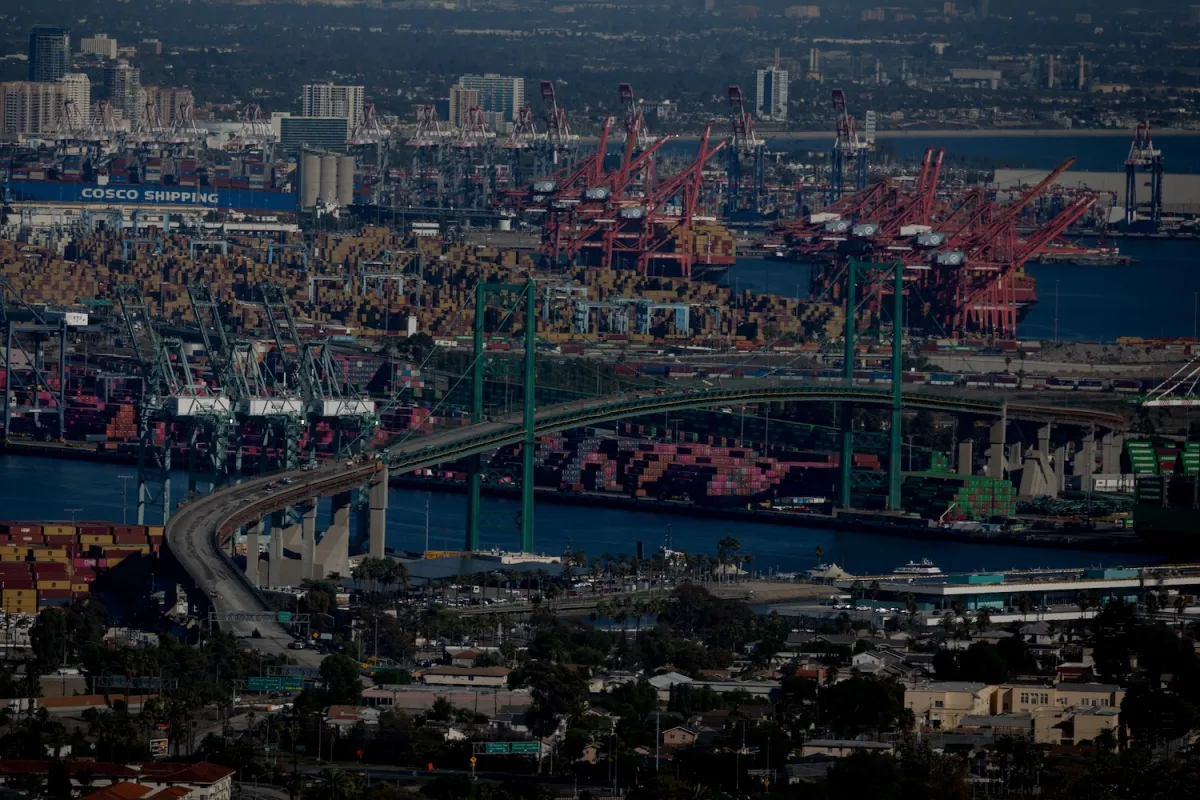
As the clock ticks toward a potential strike at the Los Angeles and Long Beach ports set to expire at 12:01 a.m. Pacific time Saturday, the fashion and footwear industries face an existential threat to their supply chains. The dispute involves roughly 250 guards who handle gate security and cargo watching duty at these two critical gateways. While this may seem like a small number—only about 2 percent of the ILWU workforce at the ports—these workers are stationed at six container terminals that handle about 85 percent of cargo at Long Beach and 33 percent at Los Angeles. The concentration of power is striking, and the stakes for fashion are immense.
Consider the numbers. According to the American Apparel & Footwear Association, 36 percent of total apparel, footwear and travel goods imports by value entered the U.S. through the Los Angeles customs district in 2025, totaling $42.5 billion. For footwear alone, that district accounted for about $13.1 billion and 1.2 billion pairs—49 percent of U.S. footwear imports by value and 57 percent by quantity. These are not abstract statistics; they represent the dresses, shoes, and accessories that will—or will not—reach American consumers this season. Negotiations between the Pacific Maritime Association and the port watchmen of the International Longshore and Warehouse Union (ILWU) Local 26 hit an impasse Tuesday, with the PMA stating there was 'little-to-no movement from the union.' This impasse could affect roughly half a million TEUs of cargo.
While industry groups including the National Retail Federation, the U.S. Fashion Industry Association, and the Retail Industry Leaders Association have urged both parties to stay at the negotiating table, and the American Apparel & Footwear Association wrote to Labor Secretary Keith Sonderling on Thursday urging intervention, the fundamental dispute remains unresolved. The original deal expired in July 2025 after more than a year of bargaining with federal mediators. The PMA's Wednesday statement describes its offer as including a $3,200 one-time bonus and a wage proposal that would raise average annual earnings for full-time watchmen from more than $170,000 to $198,000, though ILWU Local 26 president Luisa Gratz disputes this characterization, arguing that even longshore workers do not make that kind of money.
What makes this crisis particularly acute for fashion is timing. While most core holiday inventory has already arrived, the immediate risk centers on last-minute replenishment and products tied to promotions with specific delivery windows. An apparel company already pushed to move containers that had been dwelling for days because they were at risk of missing Black Friday sales. The ports were already experiencing congestion from typhoons in Asia over the summer, with 20,351 containers waiting for rail at the Port of Los Angeles as of Wednesday, nearly 48 percent waiting nine days or longer.
The fashion industry must advocate loudly for a swift resolution. These 250 watchmen are the gatekeepers to our supply chain, and their labor dispute demands immediate attention from federal mediators. Without movement before Saturday's deadline, the fashion calendar—and consumer closets—will suffer consequences that extend far beyond this season.