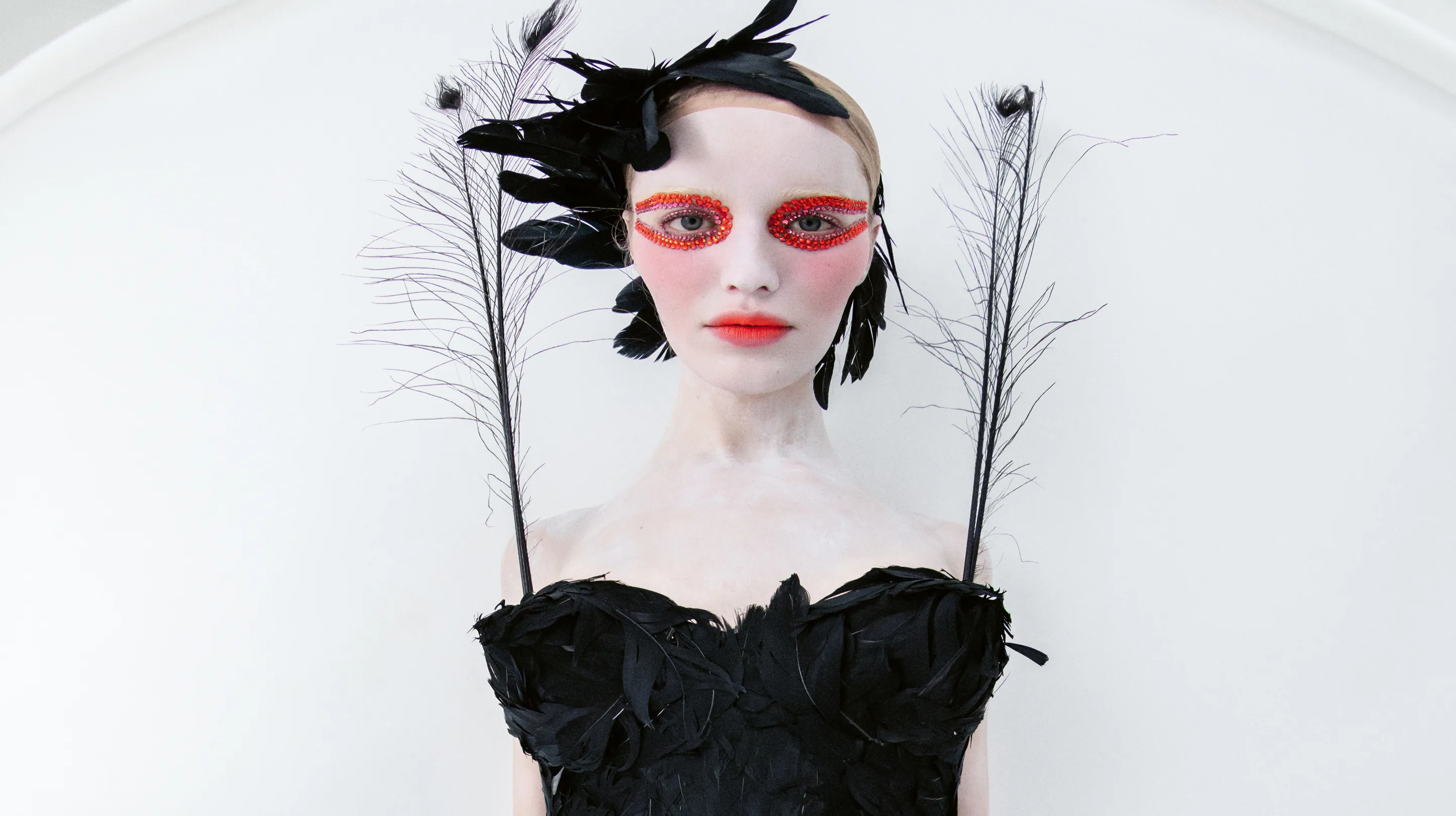
Lucy Bridge, the makeup artist behind transformative beauty looks across editorial and commercial work, released her debut book "Colour Mode" to considerable acclaim at an event in Paris. The project emerged from a collaboration with creative director Veronica Ditting, who shaped the visual and conceptual direction of the publication.
"Colour Mode" functions as both a technical manual and an artistic manifesto. Bridge documents her signature approach to color theory, pigment application, and the psychological impact of makeup across skin tones. The book moves beyond conventional beauty instruction to position makeup as a form of creative expression tied to mood, identity, and cultural context. This positioning reflects a broader industry shift away from one-size-fits-all beauty tutorials toward more personalized, nuanced approaches to makeup artistry.
The Paris launch signals the book's positioning within high fashion and luxury beauty circles. Paris remains the symbolic heart of global beauty authority, making the choice of venue deliberate. Industry insiders, editors, and beauty professionals gathered to engage with Bridge's methodology, which emphasizes color harmony, undertone matching, and the relationship between makeup and personal narrative.
Ditting's role as creative director proves essential to the book's execution. She translated Bridge's technical knowledge into visual storytelling, curating imagery, layouts, and narrative flow that make the content accessible without sacrificing sophistication. This collaboration model reflects contemporary publishing trends where makeup artists partner with designers and art directors to create books that function as objects of beauty themselves, not merely repositories of information.
Bridge's work carries particular relevance in the current makeup landscape, where colorist approaches dominate. Brands like Fenty Beauty, Charlotte Tilbury, and MAC have built success on shade range and color customization. Bridge's "Colour Mode" enters this conversation by emphasizing the artist's eye and intuitive understanding of individual color needs over prescriptive palettes or seasonal trends.
The book arrives during a period when makeup artistry occupies elevated cultural status. Social media platforms, particularly TikTok and Instagram, have transformed makeup artists into celebrities and thought leaders. Publications by working professionals like Bridge serve to legitimize makeup as a discipline with pedagogical value, historical roots, and ongoing evolution.
"Colour Mode" likely functions as both a professional reference and a consumer purchase. Working makeup artists will reference Bridge's color-matching protocols and application techniques. Beauty enthusiasts and makeup collectors will engage with it as a lifestyle object, part of the growing category of premium beauty books that sit between coffee table photography and technical manual.
The Paris event also underscores the international nature of makeup artistry. Bridge, Ditting, and the book itself operate within a global fashion ecosystem where talent, ideas, and aesthetics flow across borders. A makeup artist's influence extends from London or New York to Paris, Tokyo, and beyond through books, social media, and collaborations.
Bridge's publication joins a notable shelf of recent makeup artist books that cement this creative discipline's legitimacy. The work establishes her as a voice in color theory and makeup philosophy, positioning her for continued influence in editorial beauty, brand collaborations, and creative direction roles within the luxury and fashion sectors.