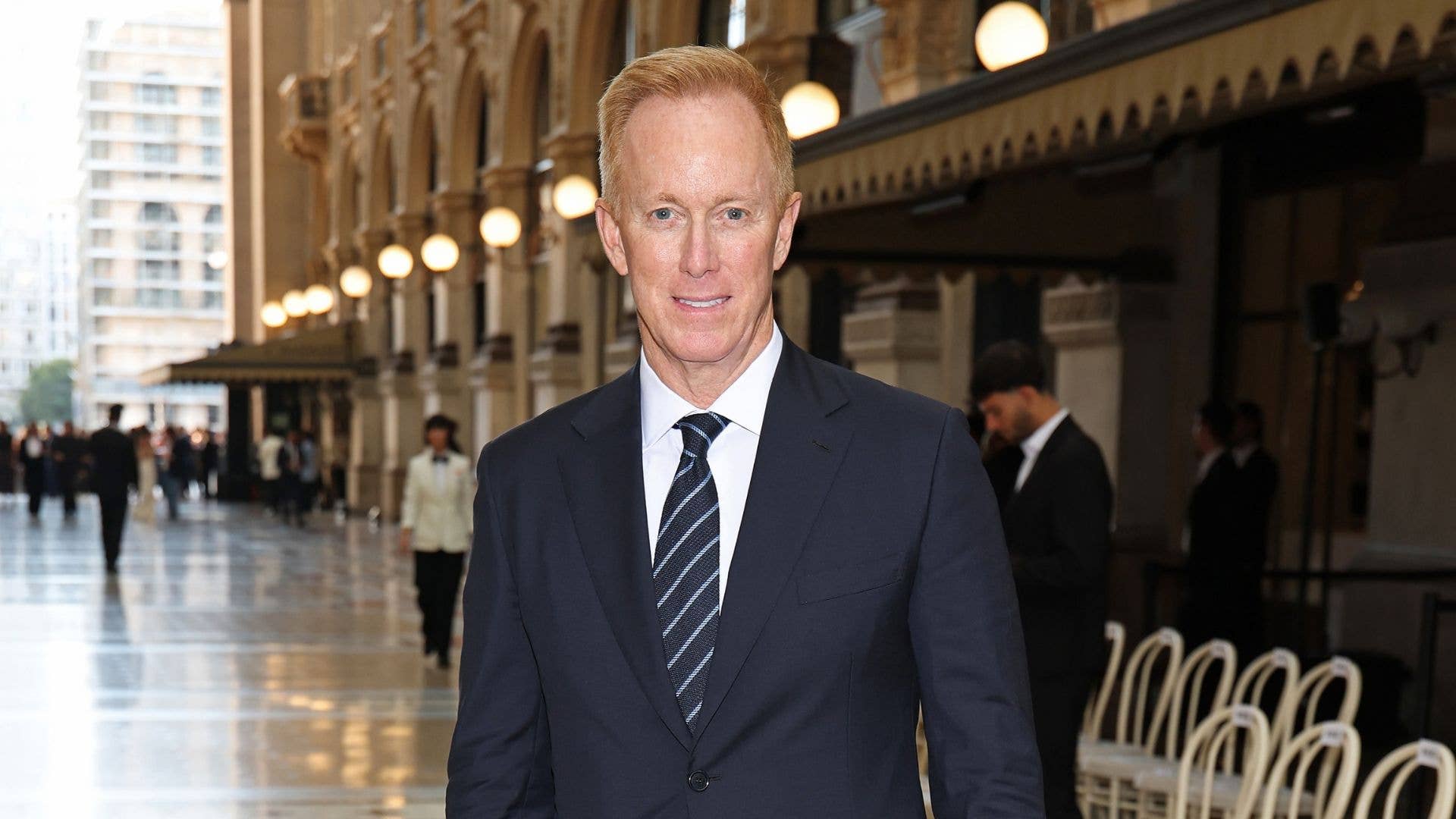
Roger Lynch exits Condé Nast after five years at the helm, marking a significant leadership transition for the media and publishing giant that oversees Vogue, Wired, The New Yorker, and dozens of other flagship titles. The departure arrives as the company navigates shifting revenue models in print and digital media, a landscape Lynch inherited upon taking the role in 2019.
Lynch's tenure centered on digital transformation and cost restructuring. He pushed aggressive paywall strategies across Condé's portfolio, expanded video content initiatives, and streamlined operations to address legacy print revenue declines. These moves generated measurable gains in digital subscriptions and advertising, positioning Condé as a modern media entity rather than a print-dependent publisher. His strategy aligned with broader industry trends favoring direct-to-consumer relationships and high-margin subscription revenue over traditional ad-supported models.
The timing of Lynch's departure reflects the complexity of modern media leadership. Condé Nast faces persistent headwinds from advertising softness, particularly in luxury categories that fuel high-margin business. The company had previously undergone significant layoffs under Lynch's watch, cutting hundreds of positions to optimize cost structures. These decisions, while fiscally necessary, shape executive tenures in ways that precede departures.
Condé Nast boards typically select successors from publishing or technology backgrounds. Potential internal candidates exist within the company's ranks. External options may include media operators from rival publishers or digital natives with subscription expertise. The new CEO will inherit a portfolio of assets with strong brand equity but fragmented revenue streams. Vogue alone carries enormous cultural weight in fashion, though competing platforms from Instagram influencers to independent Substack newsletters now fracture traditional fashion media authority.
Separately, Oura, the Finnish biometric ring maker, delayed its public offering. The company had filed for IPO in early 2024 with plans to raise capital for expansion and product development. The delay signals broader caution in technology public markets, particularly for hardware companies with consumer-facing products. Oura rings compete with Apple Watch and other wearables, a crowded category where profitability remains elusive for many players. Postponement suggests either valuation negotiations stalled or market conditions deteriorated enough to warrant strategic patience.
In related investment news, Stride Consumer Partners closed its second fund at $550 million. The firm backs consumer and retail brands, positioning itself amid the wave of institutional capital flowing into fashion, apparel, and lifestyle companies. Consumer-focused venture funds have proliferated as traditional venture capitalists recognize the scale potential in direct-to-consumer fashion and wellness brands. Stride's raise indicates investor appetite for curated portfolio strategies in this space remains robust despite broader market volatility.
These three developments illustrate the interconnected nature of modern media, technology, and consumer business. Media companies like Condé Nast depend on advertising from luxury and consumer brands. Those brands increasingly rely on venture-backed innovation and digital strategies. Leadership changes at major publishers cascade across the industry, influencing editorial independence, advertiser relationships, and cultural output. Lynch's exit positions Condé Nast for either continuity or strategic pivot, depending on board priorities and successor vision.