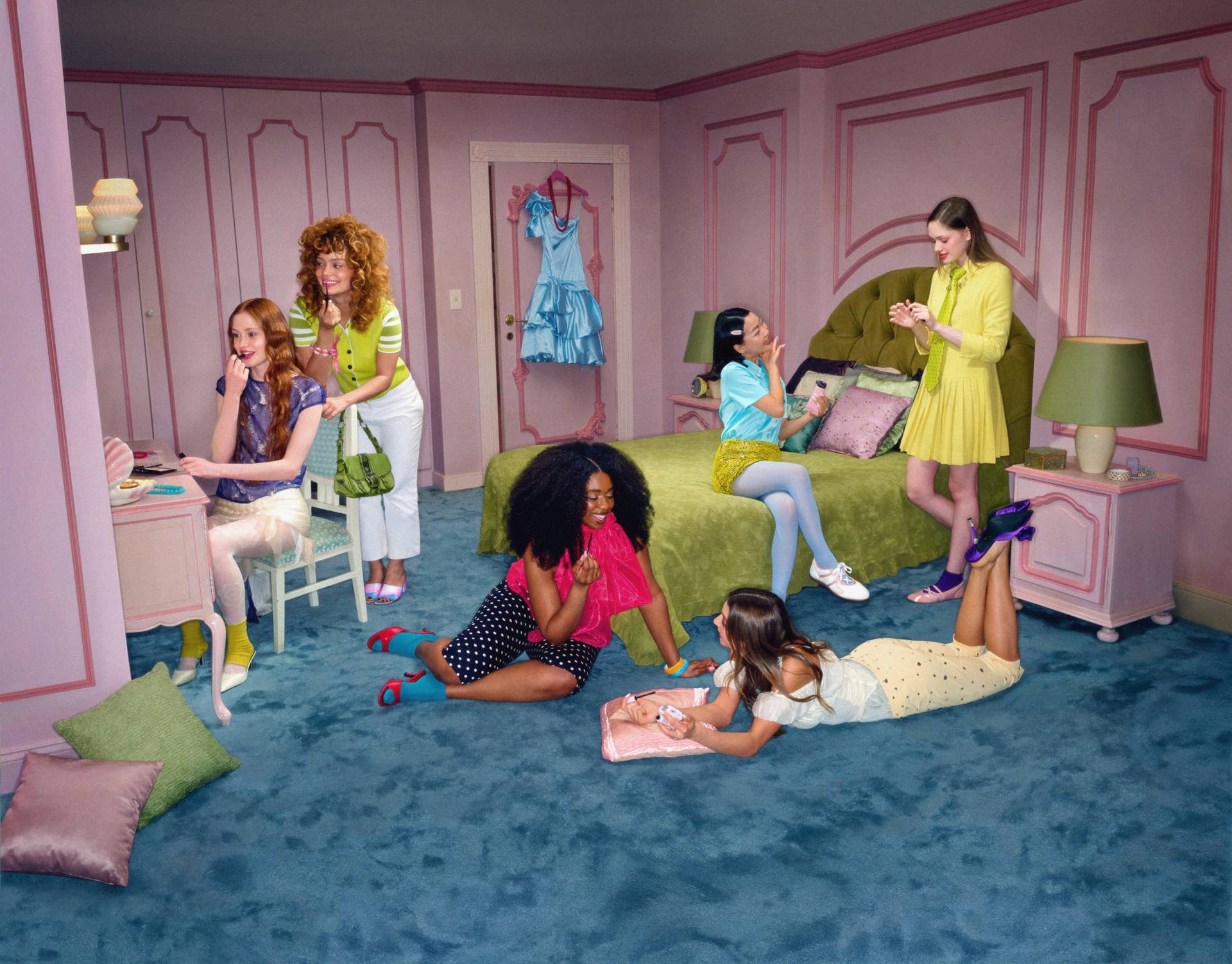
Mary Kay launches "Beauty Is More Beautiful Shared," a community-focused campaign that repositions the iconic American beauty brand for a new generation while honoring its multi-generational legacy. The initiative moves beyond the brand's direct-sales heritage to emphasize inclusivity and collective celebration rather than individual achievement or gatekeeping.
The campaign arrives at a critical inflection point for Mary Kay. Once synonymous with mother-daughter beauty rituals and living room makeup parties, the brand faces pressure to modernize without alienating its core base of independent beauty consultants and loyal customers. The "Beauty Is More Beautiful Shared" tagline signals a strategic pivot toward community-driven beauty culture, a trend that has dominated social media and younger consumer behavior over the past five years.
This messaging echoes broader industry shifts. Brands from Estée Lauder to Charlotte Tilbury have increasingly emphasized community, wellness, and shared experiences rather than transactional beauty consumption. Mary Kay's approach, however, carries unique weight given the brand's foundational DNA. Founded in 1963 by Mary Kay Ash, the company built itself on the direct-sales model, where independent consultants hosted intimate gatherings. That model created legendary brand loyalty but also faced criticism for exclusivity and pressure-based selling tactics in recent years.
The new campaign reframes gatherings as celebrations of connection rather than sales opportunities. This distinction matters. By emphasizing "shared" beauty experiences, Mary Kay positions itself alongside grassroots, TikTok-driven beauty communities where authenticity and peer recommendations drive purchasing behavior. The brand acknowledges that modern consumers, particularly Gen Z and younger millennials, discover beauty through friends, social platforms, and collective rituals rather than top-down messaging.
Mary Kay's pink-hued identity remains intact, but the brand's tone shifts toward democratization. The campaign invites "everyone to the party," language that directly counters perceptions of exclusivity. This inclusive positioning competes with both indie beauty brands that dominate social platforms and luxury houses that have aggressively cultivated younger audiences through influencer partnerships and digital-first strategies.
The timing reflects industry dynamics. Traditional direct-sales beauty companies face declining recruitment numbers and shifting consumer preferences toward digital retail and authenticity-driven marketing. Monat, Rodan+Fields, and other MLM-adjacent brands have experienced notable momentum loss. Mary Kay's pivot toward community without abandoning its consultant base represents a sophisticated middle path. Independent consultants can leverage the "shared beauty" narrative to position themselves as community leaders rather than sales reps.
For Mary Kay's extensive product portfolio, from the classic lipsticks that define the brand to skincare lines and color cosmetics, this campaign provides retail and digital opportunities. The brand can translate "shared" experiences into Instagram Stories, TikTok trends, and community-driven UGC campaigns that feel native to younger platforms.
Mary Kay's move also responds to generational wealth transfer in beauty. Daughters of loyal Mary Kay customers hold different values than their mothers. They expect digital engagement, sustainability messaging, and peer-validated recommendations. By centering community and collective joy rather than individual consultant success, Mary Kay creates space for both traditional model participants and younger consumers who want in without the sales pressure.
The campaign represents more than marketing refresh. It signals that even heritage beauty institutions recognize the power of shared, horizontal communities over hierarchical selling structures. Whether this repositioning converts Gen Z into Mary Kay loyalists remains the central question. The brand's ability to maintain consultant morale while courting younger audiences will define this era.