# Inside Falconeri's Vertical Cashmere Empire: Where Italian Craftsmanship Meets Raw Fiber
Falconeri operates a vertically integrated cashmere production model that few brands can match. The Italian company controls production across its facilities in Biella and Avio, managing the complete journey from raw fiber processing through finished garments. This operational structure gives Falconeri rare control over quality, timeline, and pricing in an industry often fragmented across continents.
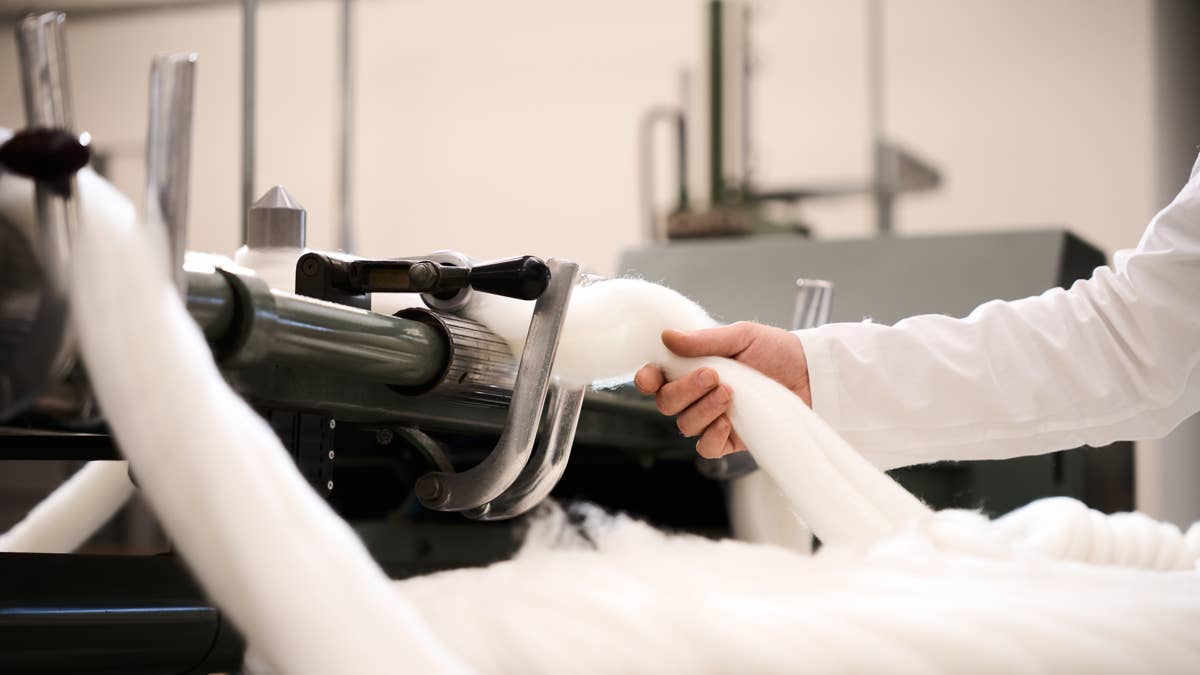
The Biella region has anchored Italian textile production for centuries, and Falconeri leverages this heritage advantage. Biella's water sources, technical expertise, and proximity to Switzerland's yarn suppliers create optimal conditions for cashmere processing. Raw cashmere arrives in its coarsest form. The fiber must undergo combing, cleaning, and refinement before becoming the soft material consumers recognize. Falconeri handles these stages internally rather than outsourcing to middlemen in China or Central Asia, a decision that reshapes production economics.
Vertical integration offers tangible benefits in luxury cashmere. Quality control happens at each checkpoint rather than relying on third-party certifications. The brand confirms fiber length, weight consistency, and dye evenness without intermediaries. This approach eliminates common supply chain vulnerabilities that plague competitors. When cashmere prices spike globally, Falconeri's owned facilities absorb pressure differently than brands dependent on spot market purchases.
The Avio facility handles finishing work, including washing, pressing, and quality inspection. Both locations employ artisans trained in traditional techniques combined with modern machinery. This hybrid approach balances consistency with the tactile refinement that justifies cashmere's premium pricing. A cashmere sweater from Falconeri spends more time in finishing than many competitors allocate to entire production cycles.
Transparency around sourcing has become a competitive advantage in luxury fashion. Consumers increasingly scrutinize where materials originate and how production impacts workers and environment. Falconeri's model allows the brand to document the complete supply chain and communicate authenticity to customers. This narrative resonates particularly with wealthy consumers who justify premium spending through ethical and quality claims.
The economics of vertical integration demand significant capital investment and operational expertise. Most cashmere brands rely on contracted factories in Italy, Mongolia, or China. Falconeri absorbs fixed costs that smaller competitors avoid. The trade-off: margins improve at scale, and the brand maintains pricing power during market fluctuations. This structure positions Falconeri competitively against both luxury conglomerates like LVMH and emerging cashmere specialists who emphasize digital-first sales.
Italy's cashmere production clusters compete fiercely with Scotland's mills and Asian manufacturers. Italian facilities command premium pricing based on heritage, technical precision, and labor costs. Falconeri's choice to invest heavily in Italian production signals confidence in this positioning. The brand targets affluent customers willing to pay for provenance and quality assurance rather than competing on volume or price.
Supply chain resilience emerged as industry priority after pandemic disruptions exposed reliance on distant manufacturers. Falconeri's consolidated production footprint reduces logistical complexity and enables faster response to demand shifts. The brand can adjust product mix or fulfill custom orders with turnaround times that distributed supply chains cannot match.
Factory transparency has evolved from marketing novelty to baseline expectation among luxury brands. Falconeri's Biella and Avio operations embody this shift. By documenting how raw cashmere transforms into finished knitwear, the brand builds customer confidence and justifies premium positioning. This operational model differentiates Falconeri in an increasingly crowded cashmere market where quality claims require substantiation.