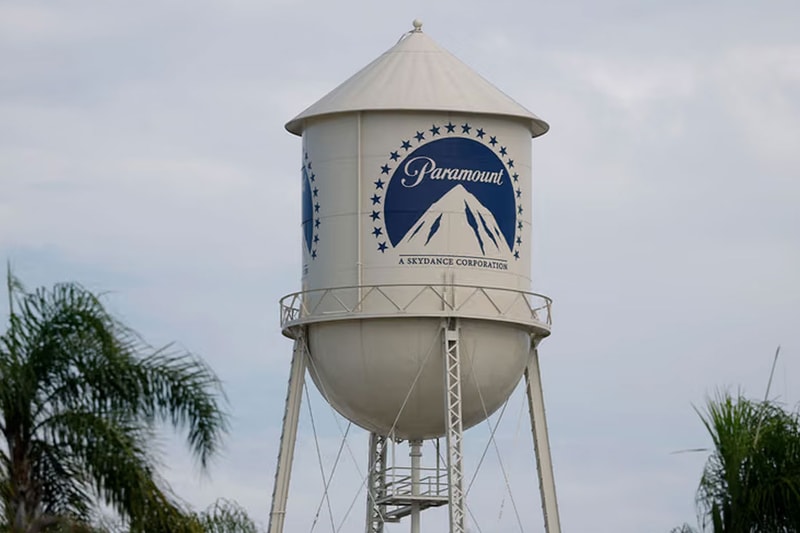
Paramount's $111 billion acquisition of Warner Bros. Discovery has cleared a major regulatory hurdle. The studio conglomerate reached a settlement with 12 state attorneys general, resolving antitrust concerns that initially blocked what would become Hollywood's largest merger on record.
The settlement sidesteps forced asset sales, instead requiring Paramount to commit to specific production and newsroom oversight measures. These conditions address regulators' core worry: that combining two entertainment behemoths would reduce competition, limit independent content creation, and consolidate media ownership in ways that harm consumers and creators alike.
This deal reshapes the entertainment industry's competitive landscape. Paramount, currently controlled by National Amusements, owns CBS, MTV, Nickelodeon, BET, Comedy Central, and Paramount Pictures. Warner Bros. Discovery controls HBO, Max, CNN, Warner Bros. film studios, and Discovery Channel properties. A merger unites two powerhouses that collectively control vast swaths of television, streaming, and theatrical film production.
The antitrust challenge emerged because regulators feared the combined entity would wield outsized control over content production and distribution. Independent producers rely on major studios for funding, development deals, and shelf space. Consolidation could squeeze smaller creators and limit what stories get made. Additionally, the merger raised questions about media ownership concentration, particularly around news operations. Both companies maintain significant newsrooms, and regulators wanted safeguards preventing editorial conflicts or reduced news coverage.
The settlement conditions reveal how Paramount addressed these concerns. The company agreed to maintain production commitments that guarantee financial resources flow to independent creators and diverse content. Newsroom oversight provisions likely create Chinese walls between news divisions and corporate interests, protecting editorial independence. Details remain somewhat sealed, but the framework avoids the scorched-earth outcome of forced divestitures that could have crippled the deal entirely.
This outcome reflects a pragmatic regulatory approach. Rather than blocking consolidation outright or demanding massive asset sales, enforcers accepted structural commitments and operational guardrails. It signals that size alone doesn't kill deals in entertainment anymore. Strategic limitations and transparency mechanisms can satisfy antitrust concerns.
For the broader industry, the precedent matters enormously. Disney, Netflix, Amazon, and Apple all operate in entertainment with varying regulatory exposure. This settlement proves that mega-mergers remain possible if companies demonstrate commitment to competition and public interest. Studios now have a roadmap: negotiate early, accept operational restrictions, protect independent creators, and secure newsroom independence to survive antitrust review.
The timing also reflects shifting political priorities. Antitrust enforcement has grown more aggressive under recent administrations, yet this settlement suggests regulators recognize the global nature of entertainment competition. Netflix, Apple TV Plus, and Amazon Prime Video compete globally against traditional studios. That competitive reality likely softened enforcement positions.
Paramount investors should celebrate. The deal moves forward without massive divestitures that would have reduced the merger's financial rationale. Employees of both companies gain clarity on integration plans. Creators gain written commitments to continued investment in content production.
For consumers, the outcome remains mixed. Consolidation still proceeds, reducing the number of major players controlling entertainment options. However, the settlement's production and editorial safeguards create accountability mechanisms that didn't exist before.
The deal now faces final closing conditions. Paramount must implement the settlement terms and begin integration of Warner Bros. Discovery's vast portfolio. Hollywood's new landscape takes shape with fewer, more powerful studios operating under tighter public scrutiny.