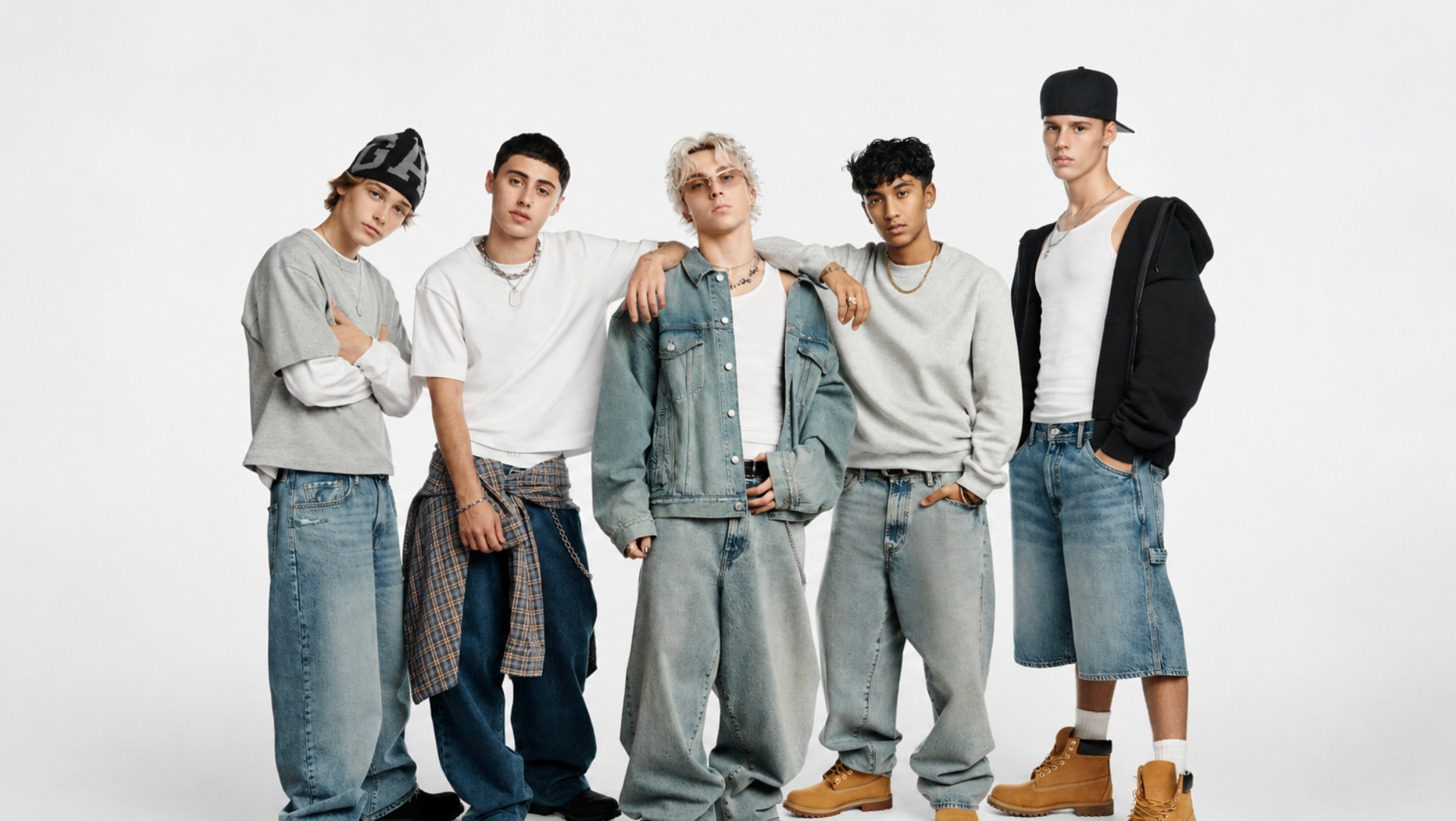
Gap Inc. launches "Fashiontainment," a strategy that weaves entertainment directly into its brand narrative by partnering with K-pop influenced boy band JYT. The move signals a decisive pivot away from traditional retail marketing toward content-driven consumer engagement.
The initiative pairs Gap's heritage brands—Gap, Old Navy, and Banana Republic—with JYT's fanbase, creating a new revenue stream through branded content, merchandise collaborations, and experiential events. This approach mirrors how luxury houses like Gucci and LVMH have invested in entertainment partnerships, but Gap's execution targets younger, digitally native audiences through music rather than film or celebrity.
Gap Inc. projects strong growth through 2029 anchored on this entertainment-first strategy. The company recognizes that traditional advertising struggles to reach Gen Z consumers, who skip ads and follow influencers instead. By embedding JYT into Gap's ecosystem, the retailer creates authentic touchpoints across social platforms, streaming services, and live events. The band becomes ambassadors, yes, but also creative collaborators who shape product design and brand voice.
This fashiontainment concept isn't entirely new. Brands like Tommy Hilfiger and Supreme have blended music culture into their DNA for decades. What distinguishes Gap's play is its scale and explicitness. The company is formally acknowledging that retail depends on entertainment IP now. Old Navy, historically positioned as accessible and playful, aligns naturally with the energy bands bring. Banana Republic targets upscale professionals who consume premium entertainment content. Gap itself, the mainline brand, anchors the strategy with heritage credibility.
The timing matters. Retail footfall continues declining. E-commerce growth has plateaued. Direct-to-consumer brands steal market share. Gap needs narrative momentum, not just discounts. Entertainment partnership fuels organic social media visibility, drives foot traffic through events, and justifies premium pricing through exclusivity and cultural cachet.
Simultaneously, Unilever Ventures led a Series A funding round for Arey, a sustainable beauty startup. The investment underscores how conglomerates like Unilever are hedging against shifting consumer preferences toward clean beauty and ethical sourcing. Unilever owns mass-market brands like Dove and Vaseline but increasingly invests in disruptive startups to capture Gen Z and millennial spending. Arey likely offers something Unilever's legacy portfolio cannot: authenticity in the sustainability space.
These two moves reveal parallel industry dynamics. Large, traditional retailers and consumer goods companies face existential pressure from changing consumer behavior. Gap responds with fashiontainment. Unilever responds with venture backing. Both recognize that growth now requires cultural relevance, not product innovation alone.
Gap's JYT partnership launches with exclusive merchandise drops and will expand into documentary-style content. The band's fanbase—primarily Gen Z and young millennials—represents Gap's target demographic. This strategy hedges against continued brick-and-mortar decline by creating reasons to engage with Gap across multiple platforms and formats simultaneously.
Success depends on execution. Entertainment partnerships fail when they feel forced. Gap must ensure JYT genuinely influences product development, store experiences, and brand voice rather than simply slapping band imagery on merchandise. If executed authentically, Gap's fashiontainment strategy becomes a template other legacy retailers adopt.