# CFDA Chief Steven Kolb Clashes With Animal Rights Protesters During COS Fall 2026 Presentation
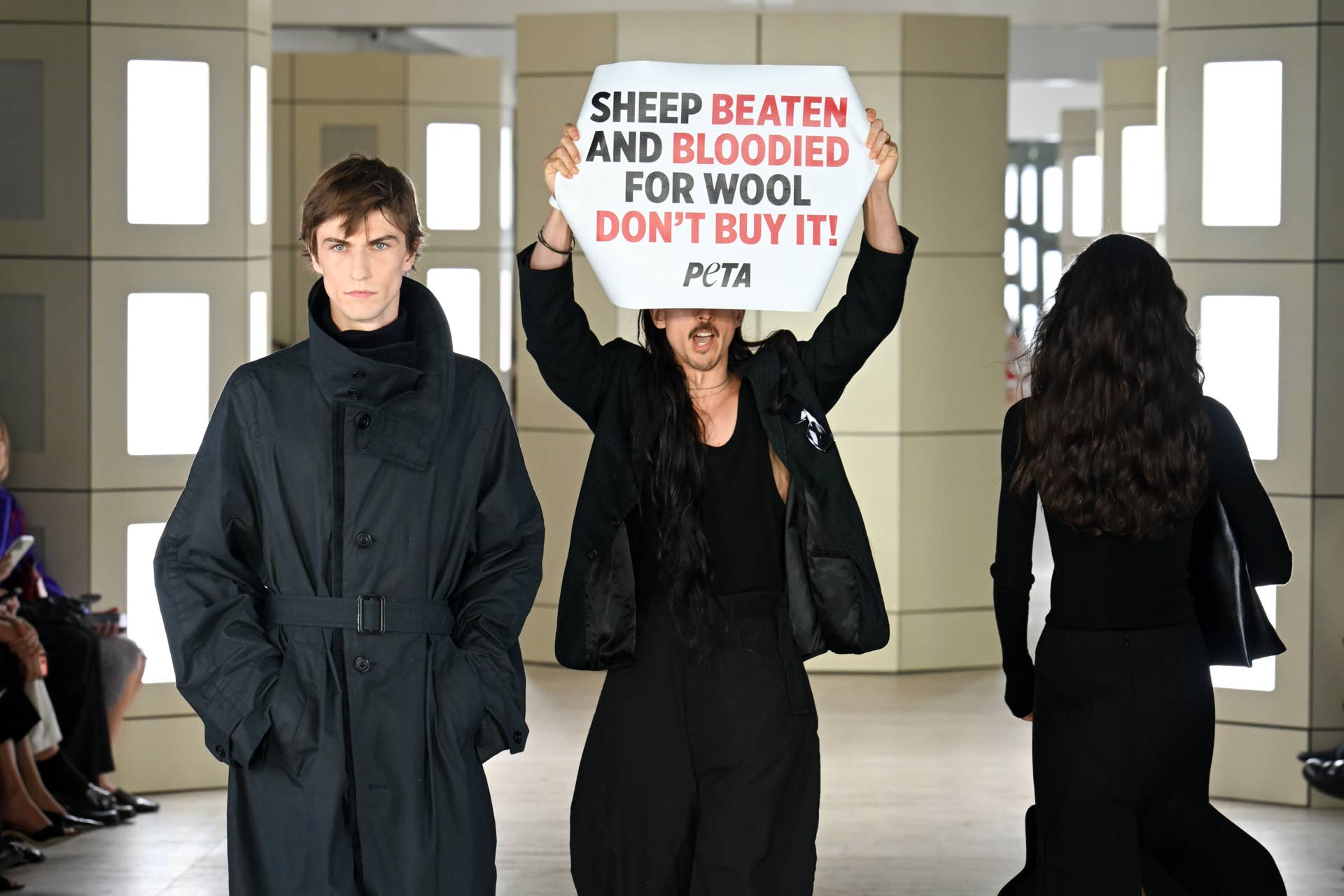
Steven Kolb, CEO of the Council of Fashion Designers of America, engaged in a physical altercation with PETA activists outside the COS Fall 2026 show during New York Fashion Week on Sunday. Fashionista obtained live footage documenting the confrontation as it happened.
The incident marks an escalation in the ongoing tension between the fashion industry and animal welfare advocacy groups. PETA has ramped up protest tactics at major fashion events over the past 18 months, targeting brands and industry leaders over material sourcing and ethical practices. The organization has positioned activism at Fashion Week as a centerpiece of its broader campaign against animal-derived textiles and production methods.
COS, the contemporary basics brand owned by H&M Group, has positioned itself as a values-driven label emphasizing sustainability and responsible production. The brand's Fall 2026 collection aims to showcase an evolution in material innovation and ethical sourcing. The timing of the protest suggests PETA views COS's sustainability commitments as insufficient or contradictory to animal welfare standards.
Kolb's direct physical response represents unusual behavior for a fashion industry figurehead. As CFDA CEO since 2018, Kolb has served as a diplomatic voice for American fashion design, managing relationships between designers, brands, and regulatory bodies. His involvement in the altercation personally rather than through security or institutional channels signals the intensity of the moment and reflects broader frustrations within the industry toward protest tactics at public fashion events.
The footage captured by Fashionista offers documentation of a flashpoint in fashion's ongoing reckoning with activism. The confrontation occurs against a backdrop of accelerating debates around material ethics, particularly surrounding leather, fur, and animal-derived proteins used in luxury and contemporary fashion. Several major fashion houses have already phased out animal materials or face mounting pressure to do so.
PETA's presence at NYFW has grown more visible over recent seasons. The organization views Fashion Week as a high-profile platform to reach both industry decision-makers and media audiences simultaneously. Their targeting of the CFDA leader specifically suggests an intentional escalation designed to draw attention to perceived gaps between industry rhetoric and practice.
The incident raises questions about protest tactics, industry boundaries, and how fashion leadership should respond to direct action. It also highlights the tension between PETA's confrontational approach and the fashion industry's preference for behind-closed-doors dialogue on ethical issues. For COS and H&M Group, the protest during their show adds a layer of complexity to an already crowded contemporary basics market where brand differentiation increasingly hinges on sustainability credentials.
The physical nature of the confrontation means this story will likely extend beyond fashion media into broader news cycles, amplifying both PETA's message and industry conversation around what constitutes acceptable protest. Whether this incident influences how brands approach activist engagement during Fashion Week remains to be seen, though it has already demonstrated that the boundary between fashion presentation and activist intervention continues to blur.