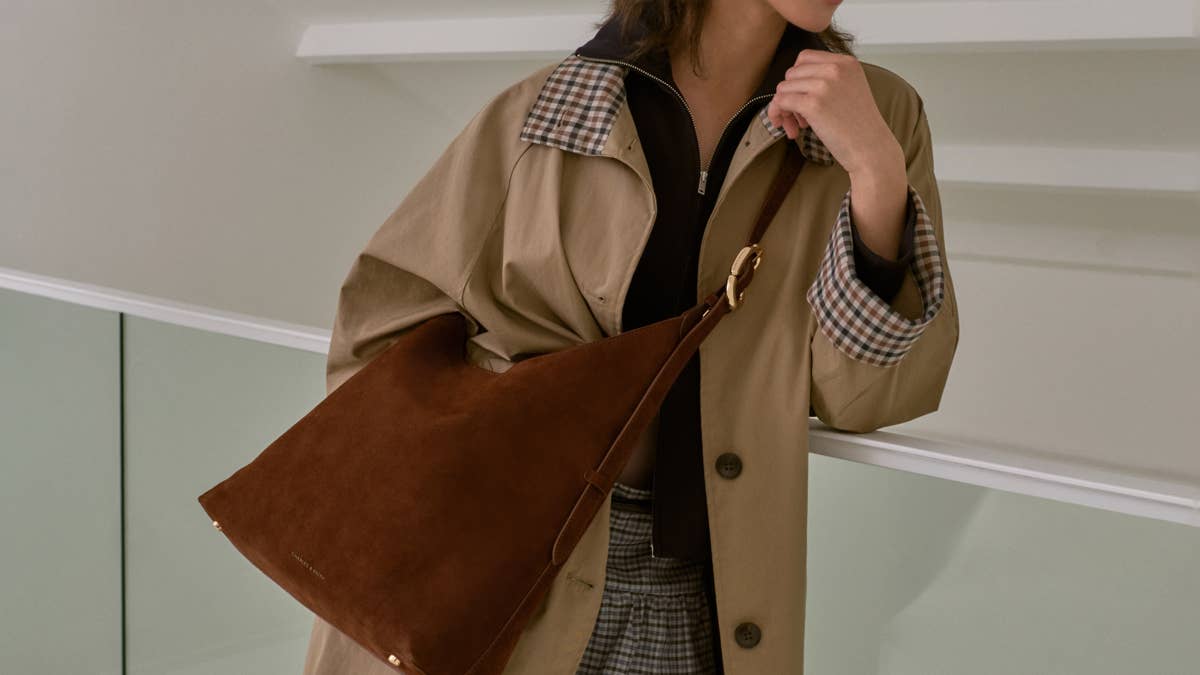
Charles & Keith is capitalizing on its TikTok momentum with a roster of fall bags designed to balance practicality with polish. The Singapore-based brand's latest collection addresses the back-to-school and return-to-office seasons, two moments when consumers actively hunt for functional pieces with visual appeal.
The bags in question prioritize capacity without sacrificing design refinement, a calculation that has become table stakes in contemporary accessories. Charles & Keith has built its brand on this exact formula: accessible pricing paired with design sensibility that punches above its cost point. The result routinely performs well on social platforms where younger consumers congregate.
TikTok virality matters here because it signals where purchasing power flows among Gen Z and younger millennials. Bags that trend on the platform move units offline and accelerate retail velocity. Charles & Keith understood this early and built a direct-to-consumer infrastructure that amplifies social discovery. The brand's Instagram and TikTok accounts function as digital storefronts where products gain visibility before converting into sales.
Fall bag seasonality operates on predictable cycles. Back-to-school shopping peaks in August. Return-to-office trends spike in September when corporate employees restart commutes after summer flexibility. Charles & Keith's timing aligns these moments with product availability, a basic but effective merchandising move. The brand stocks pieces that answer specific functional needs: structured silhouettes that work in office settings, expandable styles for students juggling laptops and textbooks, and versatile colorways that transition between casual and professional contexts.
The accessibility argument deserves attention. Charles & Keith positions itself in the contemporary accessories market where quality exceeds price expectations. A $100 to $300 price band feels premium to TikTok-native shoppers while remaining attainable compared to luxury competitors charging four figures for leather goods. This positioning creates conversion advantages during seasonal shopping rushes when budgets operate within defined limits.
The collection also reflects broader handbag trends favoring minimalism and utility over logomania. Brands like The Row and Khaite have spent years elevating quiet luxury aesthetics. Charles & Keith absorbs these lessons and delivers them at a fraction of the cost. Clean lines, neutral color palettes, and refined hardware appeal to consumers fatigued by over-branded fashion.
Distribution strategy reinforces Charles & Keith's momentum. The brand operates standalone stores in major fashion cities while maintaining a robust e-commerce presence. This omnichannel approach ensures consumers can discover products through social media, research them online, and purchase either digitally or in physical retail. The friction between inspiration and transaction has essentially vanished.
Competitors in the accessible accessories space include Cuyana, which emphasizes capsule wardrobes and timeless design, and Mansur Gavriel, which built a following on Instagram-first marketing. Charles & Keith competes effectively by maintaining design relevance while scaling production. The brand manufactures at volumes that allow rapid inventory replenishment, a competitive advantage during viral moments when stock depletes within days.
Fall bag purchases carry psychological weight beyond function. Shoppers treat seasonal transitions as permission to refresh their wardrobes. A new bag signals intentionality and self-awareness. Charles & Keith understands this dynamic and releases collections that feel considered rather than rushed. The emphasis on "essentials" combined with "elevated" design language acknowledges both practical necessity and aesthetic aspiration.