# New York Fashion Week: Where the Industry's Inner Circle Eats, Sleeps, and Shows
September's New York Fashion Week delivered more than just runway moments. The infrastructure supporting the biannual spectacle reveals how the fashion calendar shapes hospitality, dining, and venue selection across Manhattan.
The hotels hosting editors, buyers, and designers during fashion week operate as extensions of the event itself. Their lobbies become networking hubs. Their restaurants transform into deal-making grounds. Proximity to venue clusters in SoHo, Brooklyn, and the Garment District determines booking patterns. Properties like The Peninsula and The Plaza maintain their status as fashion week anchors, though newer luxury properties have begun capturing share from the traditional players by offering Instagram-friendly design and celebrity visibility.
Restaurant choices during fashion week reflect both practical needs and cultural positioning. Editors and industry figures gravitate toward venues offering speed, visibility, and Instagram moments in equal measure. A quick lunch between shows demands restaurants within walking distance of major venues. Dinner requires tables that photograph well and attract fashion's A-list. This dynamic creates temporary hierarchies. Restaurants with fashion week credibility experience surge pricing and reservation scarcity. Those outside the perceived circuit struggle despite quality offerings.
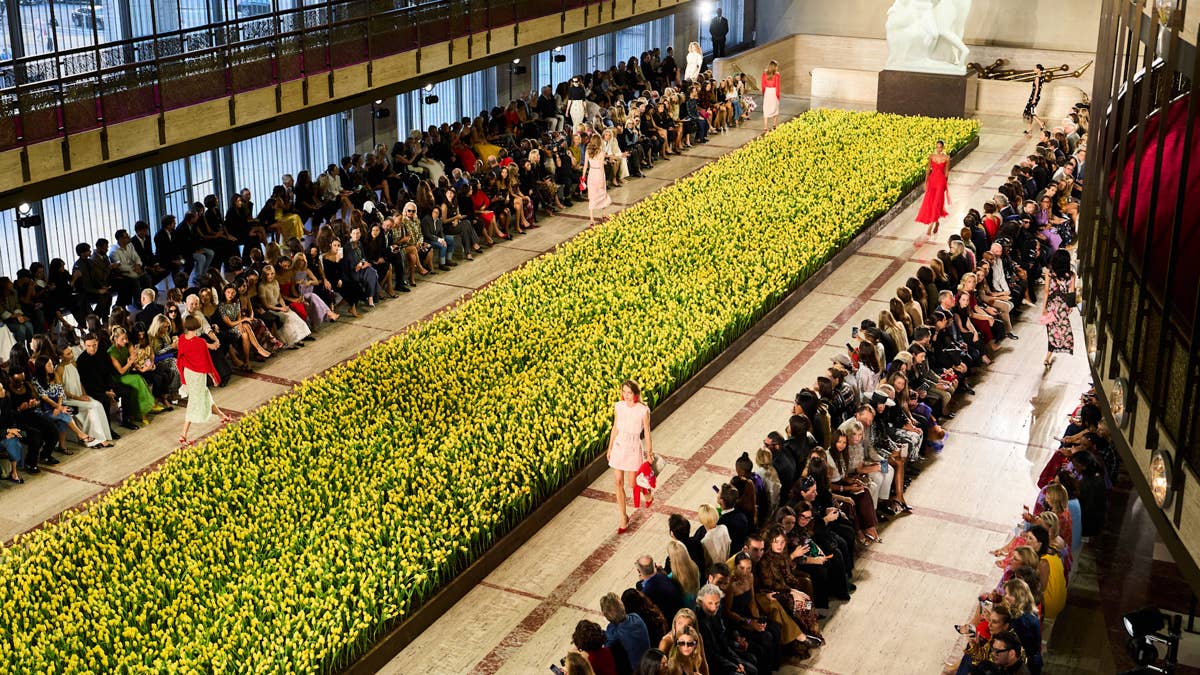
Venue selection itself impacts how collections read to the press. Traditional spaces like the Moynihan Train Hall provide industrial backdrop potential. Smaller galleries in Brooklyn offer intimacy and exclusivity. Hotels with grand ballrooms remain reliable infrastructure, though they risk homogenization. Designers increasingly seek unexpected spaces. Pop-up venues, artist studios, and emerging cultural centers shake up the predictable geography.
The September 2024 schedule clustered major presentations in specific neighborhoods. This concentration reduces travel time but creates bottlenecks. Editors juggle overlapping schedules. Photographers camp outside expected venue entrances. Street style becomes as choreographed as the shows themselves.
Transportation logistics determine fashion week experience as much as design does. Shows scheduled within 30 minutes of each other in different boroughs create chaos. Hotels with in-house transportation services or convenient subway access gain competitive advantage. The rise of Brooklyn shows has shifted infrastructure investment east, pulling attention and accommodation bookings away from traditional Midtown-SoHo clusters.
Editor favorites reveal what matters most to the people shaping fashion coverage. Comfortable hotel bases with reliable wifi rank high. Restaurants offering reservations for groups matter when editors move as packs. Venue atmosphere influences how collections feel in real time. A designer's show in a cramped hotel ballroom lands differently than the same collection in a sprawling gallery.
This infrastructure supports storytelling. The best fashion journalism captures not just what designers showed but where and how the presentation unfolded. A collection gains narrative weight from its venue. Ambient details become part of the collection's identity.
Fashion week's temporary geography reflects permanent industry power structures. Where shows happen. Where people stay. Where they eat. These choices concentrate influence and create access hierarchies that persist long after September ends. New designers struggle for prime real estate. Established brands command the best venues and timing. Emerging hospitality players fight for fashion week visibility knowing a strong showing this September plants seeds for booking power next year.
The September 2024 calendar proved that New York Fashion Week operates as a complete ecosystem. The runway tells one story. The infrastructure tells another.