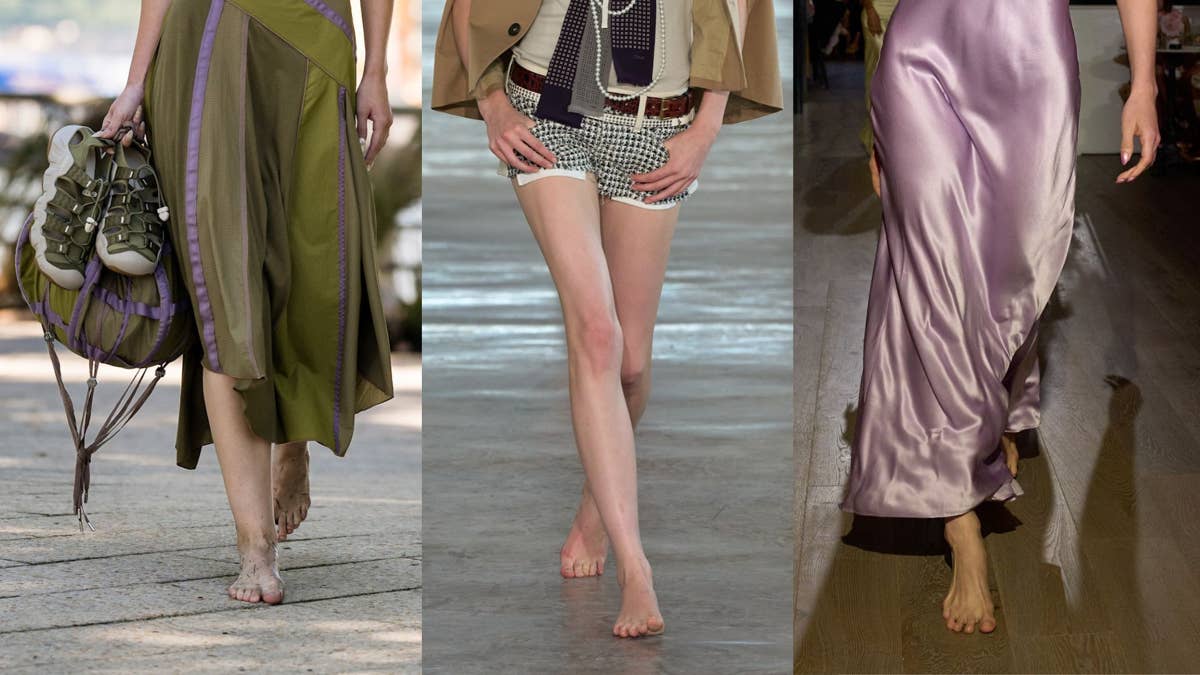
# Barefoot Trend or Shoe Mishaps? At New York Fashion Week, It's a Bit of Both
New York Fashion Week delivered an unexpected footwear moment that blurred the line between deliberate trend-setting and pure logistical chaos. Models strutted down runways at Tory Burch and 7 For All Mankind shows with bare feet, sparking immediate debate about whether this represented an avant-garde styling choice or simply a backstage breakdown.
The answer appears to be both.
Several fashion insiders confirmed that the barefoot looks weren't universally planned. At Tory Burch, the decision reflected intentional creative direction that complemented the collection's relaxed, effortless aesthetic. Designer Tory Burch has long championed accessible luxury and ease, so stripping away formal footwear aligned with the brand's philosophy of comfort-forward fashion.
The 7 For All Mankind situation told a different story. Backstage coordination collapsed before models hit the runway, leaving several walkers without shoes entirely. What could have been a disaster instead became an accidental statement. The denim-focused brand's collection played well against the minimalist bare-foot presentation, creating an unexpectedly cohesive look that reviewers found compelling.
This duality reflects a broader shift in how fashion weeks operate post-pandemic. Brands increasingly embrace imperfection and spontaneity, rejecting the rigid, heavily produced runway moments that dominated the 2010s. The Tory Burch and 7 For All Mankind shows demonstrated that authenticity, whether planned or accidental, resonates more powerfully with audiences than flawless execution alone.
The barefoot aesthetic itself carries historical weight. Luxury houses like Bottega Veneta and Jil Sander have flirted with footwear minimalism for seasons. But grounding models completely transforms the runway experience. It democratizes the space, making collections feel less distant and more wearable. A model in bare feet appears more human, more relatable. She becomes less muse and more peer.
For trend forecasters, the momentum around naked feet matters. If major New York Fashion Week participants, even accidentally, normalize barefoot presentations, expect luxury brands to incorporate this into spring-summer collections. Footwear designers may pivot toward sandals, delicate strappy sandals, and minimalist options that complement bare-skin styling. Pedicure culture could see a resurgence as the foot becomes a canvas for personal expression.
The practical considerations are significant too. Bare feet on carpeted runways differ dramatically from bare feet on slick stages. Temperature control matters. Cleanliness demands attention. These logistical hurdles explain why previous seasons saw so few completely barefoot presentations. That Tory Burch and 7 For All Mankind both managed the execution suggests growing confidence in making it work.
Neither brand has issued statements about the barefoot choice being unintentional or planned, which itself speaks volumes. In fashion, ambiguity around creative intent has become currency. Consumers and critics prefer to interpret looks themselves rather than receive complete explanation. The mystery around whether bare feet were accident or art only amplified social media engagement and press coverage.
As fashion weeks continue, expect more brands testing footwear removal. The question shifts from whether barefoot runways work to how they'll evolve. Will designers pair bare feet with elaborate foot jewelry? Will entire collections build around this concept? These questions will drive conversations through the season.