# British Fashion Council Elevates Emerging Talent as Nike Taps LVMH's Arnault for Board
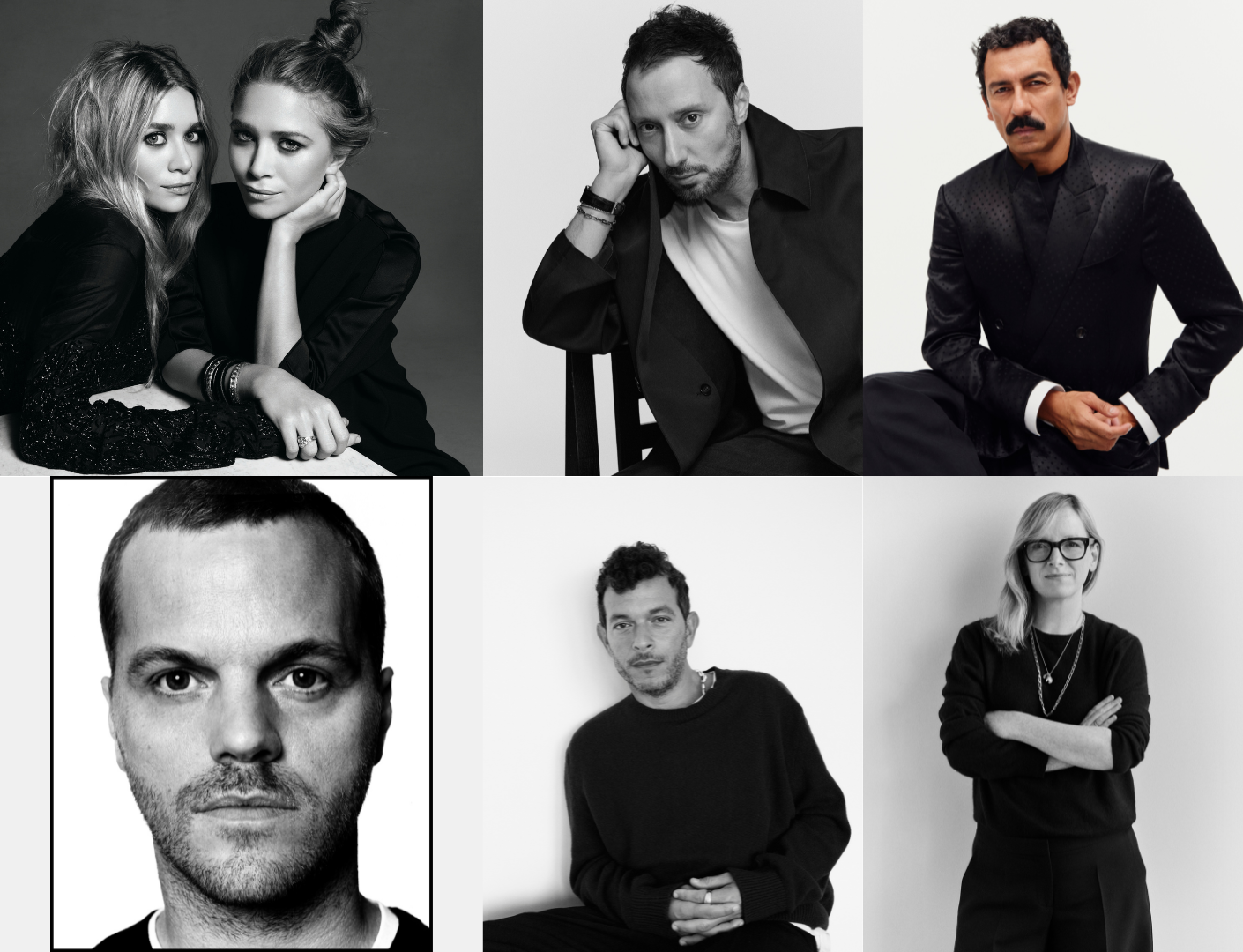
The British Fashion Council unveiled its 2026 Fashion Awards nominees, spotlighting designers and creatives reshaping the UK fashion landscape at a moment when the industry faces mounting pressure to nurture homegrown talent. The nominations span emerging designers, established names, and industry veterans, reflecting the council's commitment to celebrating craft excellence and commercial viability across menswear, womenswear, accessories, and beauty categories.
The timing matters. London Fashion Week has lost prominence over the past decade as Paris, Milan, and New York consolidated power. The BFC's awards serve as a counterweight, providing visibility and institutional backing that helps British designers secure investment, retail partnerships, and international distribution. Nominees gain access to industry gatekeepers including buyers, editors, and luxury conglomerates scouting acquisition targets.
Separately, Nike accelerated its board diversification by appointing Alexandre Arnault, the 29-year-old executive and son of LVMH chair Bernard Arnault, to its board of directors. The appointment signals Nike's shift toward embracing luxury-sector thinking at the C-suite level. Arnault currently oversees Dior's men's division and brings institutional knowledge of the conglomerate that now owns Fendi, Celine, and Givenchy. His presence on Nike's board suggests the sportswear giant intends to elevate design rigor and luxury positioning, particularly as it competes with Adidas, On, and New Balance for affluent consumers willing to pay premium prices for heritage and exclusivity.
The appointment reflects broader consolidation. LVMH already commands roughly 30 percent of the global luxury market. Adding Arnault to Nike's governance layer deepens the relationship between the two powerhouses, even as Nike maintains operational independence. This move echoes similar appointments across the industry. Luxury houses routinely embed executives into boards of public companies to influence strategy without direct ownership.
Meanwhile, Mikey Madison graced the cover of Vogue, cementing her status as one of Hollywood's most sought-after talents. The "Madame Web" and "Scream" actor represents a new generation of celebrity that blurs boundaries between film, television, and fashion. Her magazine moment reflects how content creators and performers now drive editorial narratives. Vogue selections carry weight beyond magazine circulation. A cover signals to designers, photographers, and stylists that a talent commands attention. It opens doors for collaboration on campaign work and accelerates a performer's crossover into fashion brand ambassadorships.
These three developments expose fault lines in contemporary fashion. London remains a breeding ground for avant-garde design but struggles to convert creativity into commercial scale. Nike's board appointment underscores how luxury thinking now permeates sportswear. Celebrity coverage in fashion magazines continues its evolution from static endorsement into dynamic storytelling that blends entertainment and commerce.
The BFC awards will announce winners in 2026. Arnault's influence at Nike will gradually shape product strategy and brand positioning. Madison's editorial presence will likely translate into brand collaborations and fashion-forward styling that reaches her followers across social platforms. All three stories point toward the same conclusion: fashion increasingly depends on institutional backing, elite network access, and cross-platform visibility to achieve meaningful market impact.