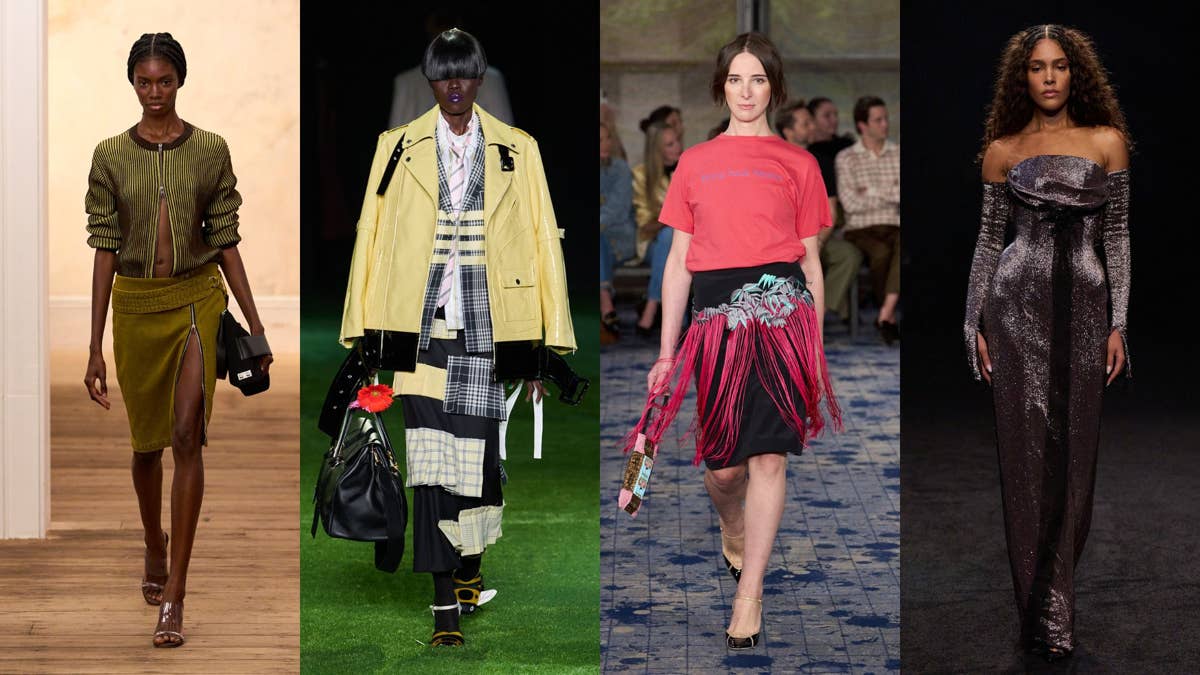
# Fashionista's Top Spring 2027 Collections Signal a Return to Refined Minimalism and Experimental Textiles
New York Fashion Week's Spring 2027 calendar delivered a curated range of collections that balanced commercial appeal with artistic risk-taking. Fashionista's editorial team faced a crowded lineup of standout presentations, ultimately selecting eleven collections that best captured the season's competing narratives: a drift toward stripped-down elegance alongside bold textile innovation and color experimentation.
The Spring 2027 season at NYFW reflected designers' collective pivot away from the maximalism that dominated previous years. Several of the highlighted collections demonstrated a return to silhouette clarity and fabric-forward storytelling. Established houses and emerging talents alike embraced neutral palettes punctuated by unexpected textures. Linen, cotton blends, and innovative synthetics dominated hem lines and constructed pieces that prioritized movement and layering.
The selections also revealed the industry's growing comfort with digital presentation formats alongside physical runway shows. Designers leveraged both channels to reach global audiences, a shift that continues to reshape how collections reach buyers and press. This hybrid approach expanded the scope of what constituted a "must-see" presentation at the week.
Color trends shifted notably toward earthy tones, soft grays, and creams, with selective pops of deeper jewel tones used as accents rather than statement pieces. Several designers in the final edit worked with natural dye processes and sustainable fabric certifications, reflecting ongoing pressure from retailers and consumers for transparency in production.
Silhouettes trended toward the architectural and geometric. Wide-leg trousers, oversized blazers with precision tailoring, and elongated dresses dominated several of the selections. The dichotomy between volume and structure appeared consistently across price points and aesthetics, suggesting a broader industry alignment on what constitutes contemporary elegance for spring travel and warm-weather dressing.
The week also underscored the continued vitality of New York as a staging ground for American design talent. Both heritage brands and first-time NYFW participants received editorial recognition, indicating that the platform still functions as a discovery mechanism despite the decentralization of fashion weeks globally. Smaller collections with limited distribution sometimes generated as much critical attention as major conglomerate presentations.
Fabrics told much of the story. Crisp cottons, weightless linens, and performance materials designed for humid climates reflected the practical needs of spring dressing in an increasingly warm world. Several designers experimented with translucency, layering sheer fabrics over structured underlayers to create visual depth without bulk.
Accessories played a supporting role rather than driving the narrative, with footwear staying minimal and bags emphasizing clean lines. This restraint allowed silhouettes and textiles to command attention, a departure from previous seasons where jewelry and hardware often competed for focus.
The editorial narrowing process itself reveals how NYFW functions as a filtering mechanism. With dozens of presentations across the week, fashion media outlets perform curation work that guides buyer behavior and consumer desire. Fashionista's final eleven selections represent not just outstanding design but also collections positioned to influence broader retail trends and inspire secondary market development.