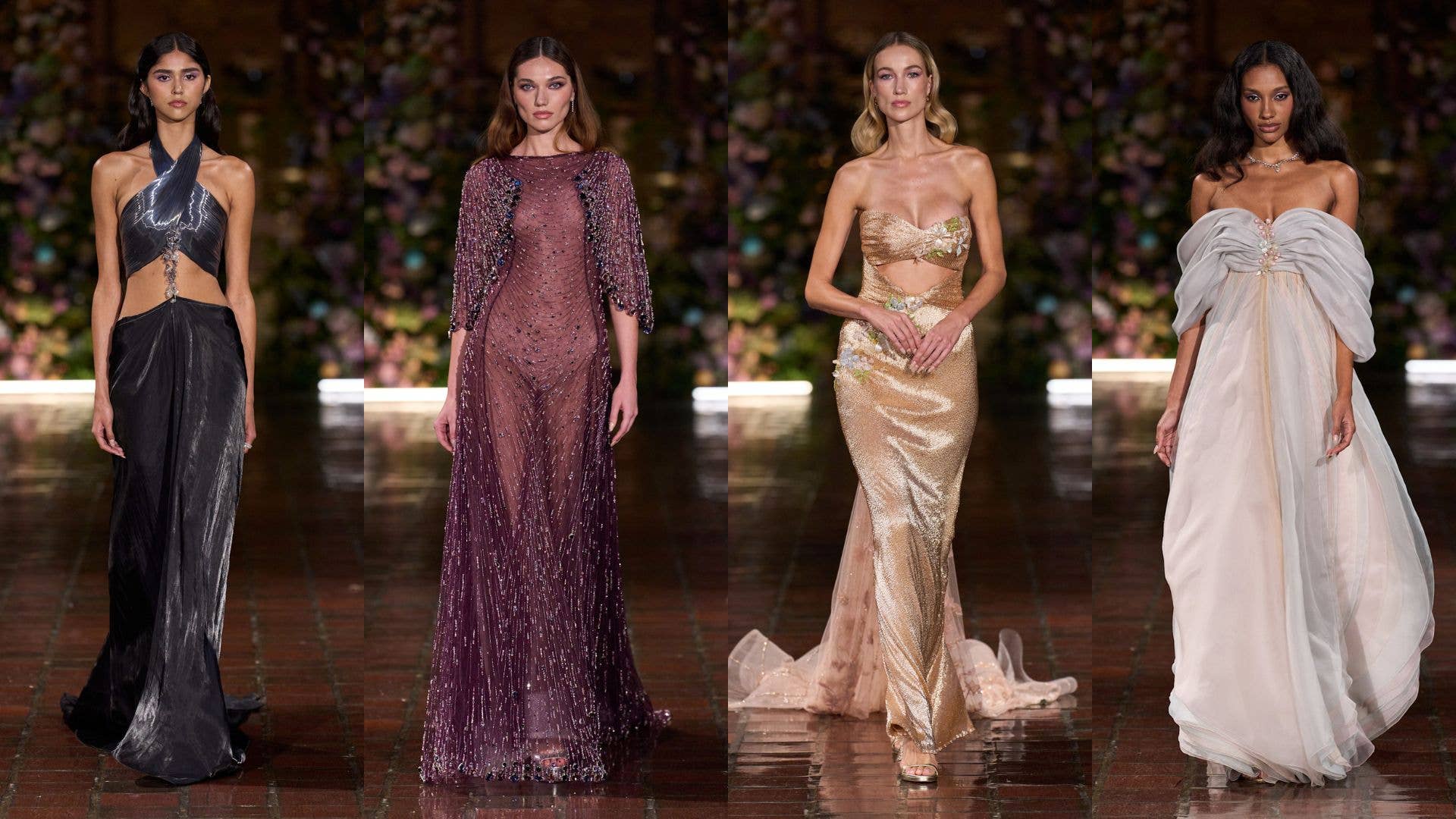
Andrew Kwon channels wonder into his Spring 2027 collection, pulling inspiration from nature's unexplained phenomena to craft pieces that resist the homogenized aesthetic dominating contemporary fashion. The Seoul-born, New York-based designer uses the collection as a laboratory for texture, color, and silhouette experimentation.
Backstage, Kwon articulated his core design philosophy with clarity: creating something that feels different and that other people don't have drives every decision. This statement reflects a broader resistance within contemporary design to mass production and algorithm-driven aesthetics. In an era where social media accelerates trend cycles and fast fashion collapses distinct voices into a visual blur, Kwon's commitment to differentiation reads as both personal conviction and commercial strategy.
The "mystery of the natural world" serves as more than a thematic anchor. It becomes a practical tool for generating novelty. Nature operates without concern for trend forecasting or consumer preference data. Organic forms, unexpected color combinations, and the textures found in overlooked ecosystems offer infinite design possibilities untethered to seasonal color reports or influencer consensus. Kwon mines this territory with precision rather than pastiche.
His approach positions him within a growing cohort of designers rejecting the safe minimalism and logo-heavy aesthetics that defined the previous decade. Brands like Eckhaus Latta, Molly Goddard, and Craig Green similarly treat collections as conceptual explorations rather than commercial formulas. This shift represents maturation in designer-brand positioning. Emerging labels now compete not on price or accessibility but on distinctive vision and intellectual rigor.
Spring 2027 timing places the collection at an inflection point for menswear and womenswear design. The industry has largely abandoned sharp silhouettes and maximalist ornamentation from the mid-2010s, creating space for a new vocabulary. Kwon's focus on mystery rather than clarity suggests pieces with ambiguous proportions, unexpected layering, and color palettes that prioritize personal reaction over aspirational lifestyle imagery.
For Kwon, this collection likely signals evolution beyond his established aesthetic. Designers at his career stage face pressure to replicate successful formulas or chase wholesale orders. Instead, Kwon doubles down on conceptual depth. The "mystery" framing resists literal translation into garments, forcing both designer and consumer to engage interpretively with each piece.
This philosophy attracts a specific customer: someone who views clothing as a form of thinking rather than a status symbol. These buyers exist across price points, but they cluster around independent boutiques like Dover Street Market, Browns Fashion, and curator-driven stockists that champion design perspective. For these retailers, Kwon's commitment to differentiation justifies shelf space in an oversaturated market.
The collection also speaks to evolving definitions of luxury within contemporary fashion. Exclusivity no longer derives solely from price or heritage. Intellectual rigor, conceptual coherence, and the refusal to compromise vision for commercial reach now signal prestige. Kwon's insistence on creating something "other people don't have" aligns his work with this new luxury paradigm.
Spring 2027 arrives amid continued fragmentation of fashion's historical center. London, Paris, Milan, and New York maintain institutional weight, but designers build followings and sustain careers outside traditional fashion week infrastructure. Kwon's trajectory reflects this reality. His voice strengthens through consistency and conceptual depth rather than fashion industry gatekeeping or legacy brand infrastructure.