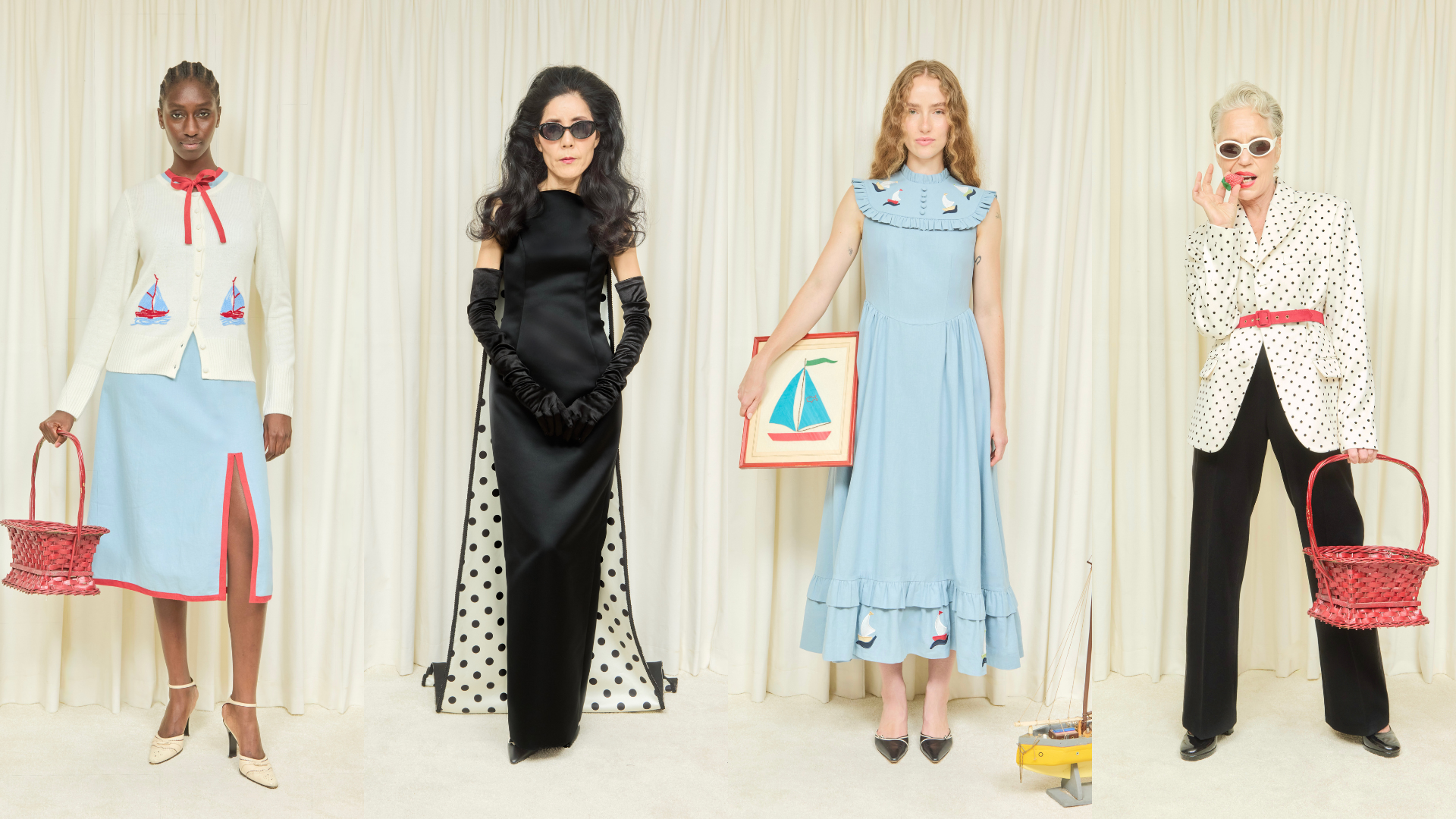
Tanner Fletcher channeled New England's rugged romance into a 61-piece collection for Spring 2027, positioning "Cabin Wear" as more than a seasonal trend. The designer dropped the collection Monday during New York Fashion Week, cementing a narrative arc that began with the concept's debut and now deepens into regional storytelling.
The second installment of "Cabin Wear" trades pure countryside aesthetics for a more specific geographic thesis. New England's aesthetic spans coastal prep, mill town utility, and mountain lodge formality. Fletcher's expansion to 61 looks suggests the designer is treating the collection as a lifestyle proposition rather than a capsule experiment. That scale matters. It signals Fletcher sees "Cabin Wear" as a brand pillar, not a one-off creative moment.
The timing positions Fletcher against broader luxury retreatism. Brands from Ralph Lauren to Brunello Cucinelli have spent years commodifying leisure and outdoor living, but typically through European or aspirational American lenses. Fletcher's New England specificity taps into something more grounded. New England carries literary weight—think heritage mills, maritime history, prep school institutions, and working-class fishing communities. That duality between rustic authenticity and old-money refinement gives "Cabin Wear" texture that generic "outdoor dressing" lacks.
A 61-look lineup also reveals commercial ambition. Spring fashion weeks typically see collections range from 30 to 80 looks depending on brand scale. Fletcher's count places the collection in mid-tier territory, suggesting growth beyond emerging brand status but not yet luxury house scale. That positioning matters for wholesale relationships, direct-to-consumer potential, and brand positioning within the contemporary market.
The New England road trip narrative serves editorial and commercial purposes simultaneously. It creates digestible story content for press, justifies the collection's breadth through geographic exploration, and builds romance around sourcing and inspiration. That's smart brand language in an era where origin stories and place matter to contemporary consumers.
New York Fashion Week remains the proving ground for American contemporary brands. Fletcher's decision to present during NYFW rather than schedule a standalone show or digital reveal indicates confidence in traditional industry infrastructure. The choice also keeps the brand within critical view and wholesale buyer circuits that still congregate during the official week.
"Cabin Wear" enters a market already saturated with outdoor and heritage aesthetics. Carhartt WIP, Outdoor Voices, and even Patagonia have claimed terrain in functional outdoor dressing. What separates Fletcher's approach is the fashion system legitimacy. By anchoring the concept within NYFW's framework and building it across two seasons, Fletcher positions "Cabin Wear" as serious design direction rather than trend exploitation.
The question ahead centers on sustainability and narrative credibility. New England tourism and heritage marketing rely on environmental preservation messaging. Fletcher's collection will face scrutiny around material choices, production ethics, and whether the "Cabin Wear" story extends beyond seasonal collections into actual brand values. Collections at this scale require substantive backing to avoid feeling like aesthetic tourism.
The Spring 2027 presentation establishes Fletcher as a storyteller willing to build collections across seasons. That commitment to narrative depth distinguishes contemporary brands in a fragmented market. The 61-look lineup signals confidence in both commercial viability and creative direction.