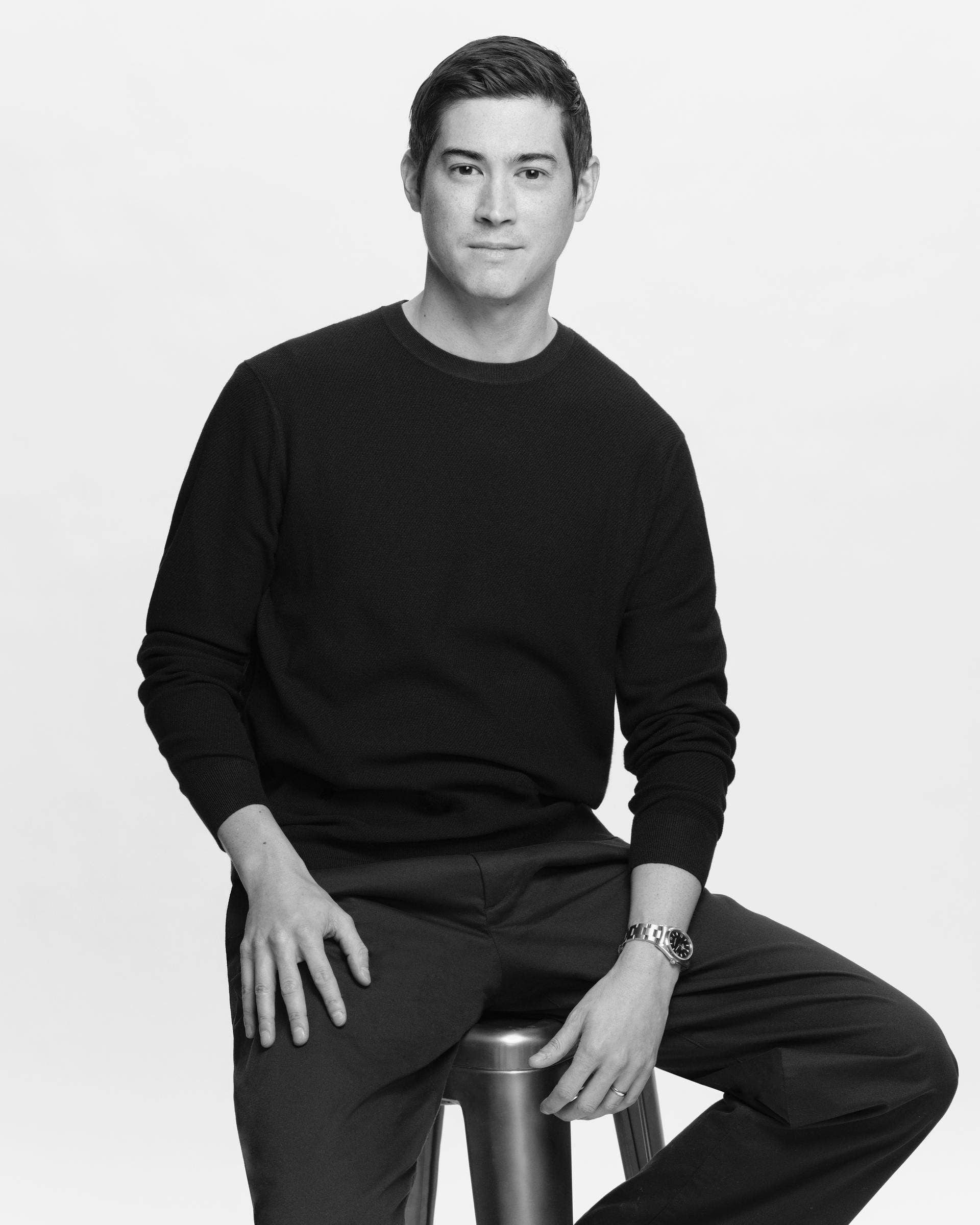
Theory has appointed James Kelly as its new global chief executive officer, marking a strategic leadership shift for the minimalist American luxury brand. Kelly brings extensive experience from his previous role leading menswear operations at prominent fashion houses, positioning him to steer Theory through a competitive landscape dominated by elevated basics and tailored silhouettes.
The appointment arrives as Theory continues repositioning itself within the accessible luxury segment. The brand, known for refined trouser cuts and structured blazers since its 1997 founding, operates hundreds of stores globally and maintains a strong wholesale presence. Kelly's mandate centers on accelerating growth across direct-to-consumer channels while maintaining Theory's DNA of clean design and impeccable construction.
Separately, Belle Brands has acquired Vegamour, the clean beauty company specializing in plant-based hair and skincare products. The deal represents a broader trend of beauty conglomerates consolidating indie beauty brands with loyal followings and strong digital distribution. Vegamour built its reputation on toxin-free formulations and influencer partnerships, reaching Gen Z and millennial consumers skeptical of traditional beauty conglomerates. Belle Brands, which owns several lifestyle and wellness properties, gains direct access to Vegamour's subscriber base and e-commerce infrastructure through the acquisition.
The Vegamour move signals how legacy beauty groups now pursue smaller, digitally-native brands rather than building from scratch. The indie beauty market has matured significantly, with brands like Olaplex, Drunk Elephant, and Glow Recipe commanding premium price points and consumer loyalty that traditional acquisitions find difficult to replicate organically.
Meanwhile, Inditex reported second-quarter profits that disappointed investor expectations despite recording strong sales across its portfolio brands. Zara, Pull & Bear, Mango, and Stradivarius all maintained robust demand, yet margin compression and operational expenses prevented profit growth from matching top-line performance.
The profit miss underscores mounting pressures facing European fashion groups. Supply chain complexities, wage inflation, and elevated freight costs continue squeezing returns even as consumer demand remains resilient. Inditex, the world's largest fashion retailer, operates with lower inventory levels than competitors through its vertically integrated model, yet profitability still faces headwinds from geopolitical uncertainty and energy costs impacting European manufacturing.
These developments reflect three distinct industry currents. First, established brands like Theory refresh leadership to capture growth in direct channels and emerging markets. Second, acquisition activity in beauty accelerates as scale operators seek organic growth alternatives through bolt-on acquisitions of culturally relevant indie brands. Third, even dominant retailers like Inditex face structural margin pressures that transcend sales performance.
For Theory, Kelly's appointment signals an appetite to modernize customer experiences and expand beyond traditional wholesale partnerships. For Belle Brands, the Vegamour acquisition represents confidence that acquiring loyal indie communities outpaces building them. For Inditex, the profit shortfall reminds investors that even market leaders cannot escape inflationary cost structures reshaping retail economics across Europe and beyond.